Den Löwen zwischen den Zeilen lesen

Was bei den Cannes Lions 2018 für Aufsehen sorgte: die größte Feier der Werbung des Jahres.

Dieser Beitrag wurde ursprünglich auf den Blogs von IMD und Honeycomb veröffentlicht.

Hier ist unsere Zusammenfassung dessen, was bei der größten Feier der Werbung 2018 Eindruck hinterließ, mit Erkenntnissen von aufregenden Marken, ehrgeizigen Start-ups, ihrem eigenen Expertenteam und Sir John Hegarty persönlich.

https://www.youtube.com/watch?v=JvaIxFBQdGU


Kleiner Bildschirm = großer Einfluss

Falls es Ihnen bisher entgangen sein sollte, ein paar Gespräche in Cannes dieses Jahr hätten Sie über die Bedeutung von mobilem Video als Werbeplattform voll informiert. Video-Werbung auf mobilen Plattformen bekommt erheblichen Anklang und steigert den Umsatz: Die Augen sind auf den mobilen Plattformen, und das Geld folgt den Augen ... also war es sehr klar, worauf viele der Marken in Cannes im nächsten Jahr den Fokus legen werden.


Kontextuelle Werbung bewegt sich ins Video

Es war lange möglich, dass Werbetreibende schriftliche Inhalte scannen, um Schlüsselwörter zu identifizieren und passende Werbung in Online-Inhalte einzufügen. Jetzt werden Videoinhalte mit Schlüsselwörtern versehen, sodass Werbetreibende Anzeigen schalten können, die zum Inhalt des Videos passen. Dies verspricht, die Branche erheblich zu beeinflussen, und es ist eine Entwicklung, die zukunftsgerichtete Marken bereits annehmen.

Videotechnologie ist König

Werbungstechnologie- (Adtech) und Videotechnologieunternehmen waren überall in Cannes vertreten. Die jüngste Übernahme von TimeWarner durch AT&T und die Ankündigung ihres Deals zum Kauf des digitalen Werbemarktplatzes AppNexus demonstrieren das Anerkennen des DSP-Riesen für die Bedeutung der Videotechnologie. Und sie sind nicht die einzigen, die sich für die Kommerzialisierung von Videoinhalten interessieren. Mit Comcast (dessen Party von MosDef angeführt wurde), AppNexus, Teads und Innovid unter vielen weiteren, die um Aufmerksamkeit konkurrieren, fordern Videotechnologien die kreativsten Schlagzeilen des Festivals heraus.


Der Aufstieg der sozialen Medien

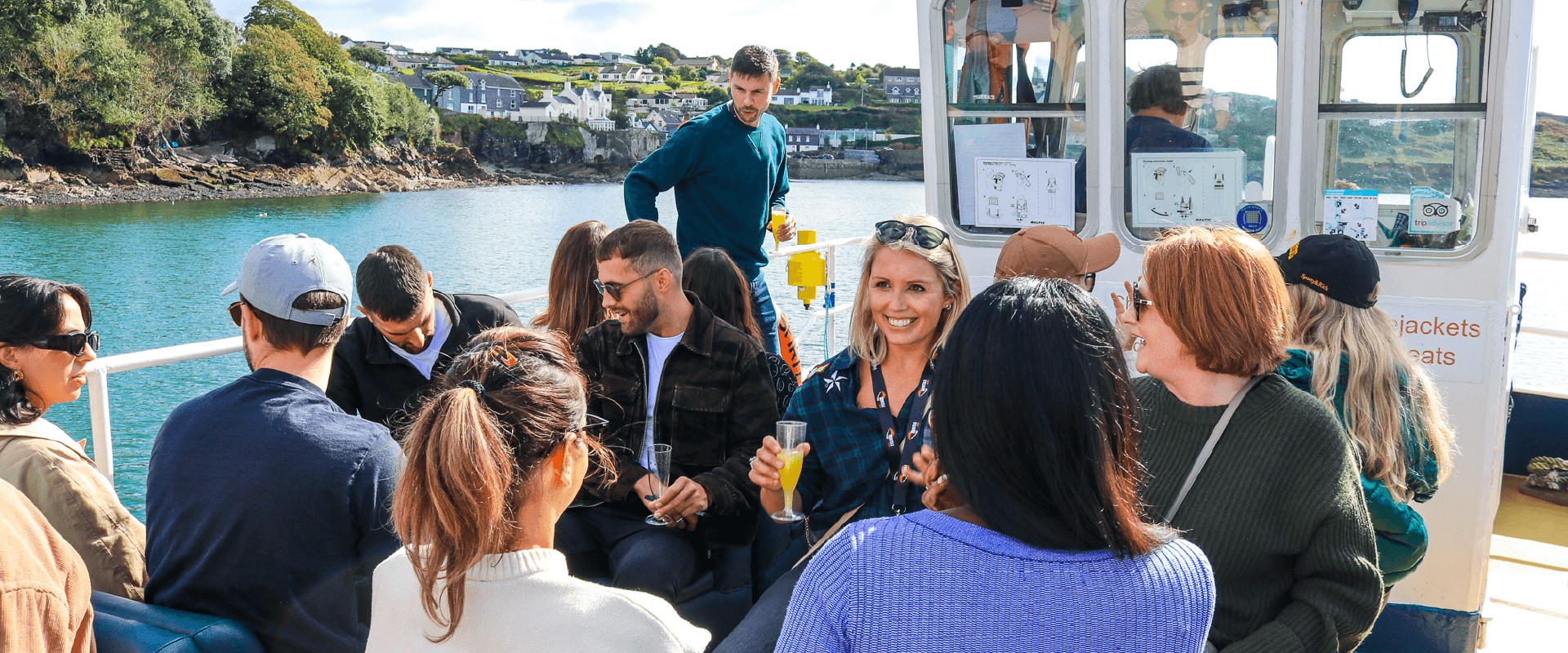
Marken hatten vielleicht ein etwas niedrigeres Profil auf dem Festival dieses Jahr. Aber die Technologieriesen und sozialen Medien-Giganten waren mehr als ausreichend, um die Lücke zu füllen. Bezeichnenderweise hatte sich der Strand von Facebook in den Strand ausgedehnt, den zuvor Unilever besetzte, Twitter und YouTube hatten ihre eigenen Strände, und Spotify hatte Kylie. Genug gesagt.

Werbung = Medien

Eine Schlange von über 300 Personen ohne Armbänder vor der Vice-Party beim größten Werbefestival der Welt zeigt, dass es nicht nur schwer ist zu sagen, wo Werbung endet und Medien beginnen, sondern vor allem, dass es niemanden interessiert. Die Grenzen zwischen Verlagswesen und Kreativität verschwimmen weiterhin, und die besten Parties des Festivals fanden in der Mitte statt.


Werbungstechnologie auf dem roten Teppich (endlich)

Während Werbungstechnologie seit Jahren ein wesentlicher Bestandteil der Cannes Lions ist, könnte sie nie als der glamouröseste Gast der Party betrachtet werden. Aber dieses Jahr, da Unternehmen wie Peach und never.no adressierbare Technologie greifbar machen, waren Produzenten und Accountleiter mehr denn je daran interessiert, das Potenzial neuer Technologien zu diskutieren. Sie sind begeistert von der Optimierung von Werbung, und es scheint, dass 2019 das Jahr sein wird, in dem Marken das Versprechen des programmatischen Handels erkennen und darauf reagieren.

Inhouse-Strategien

Im Rahmen eines umfassenderen Vorstoßes, die Kosten zu senken und die kreative Kontrolle zu erhöhen - und trotz des jüngsten Pepsi-Fiaskos - ziehen Marken und Agenturen weiterhin Arbeiten und Daten intern. Internationale Marken zentralisieren ihre Werbebetriebe, was die Postproduktionsfirmen unter Druck setzt. Die gesamte Branche bewegt sich auf ein Full-Service-Modell zu, was ein Bedürfnis - und eine Gelegenheit - für Dienste aufzeigt, genaue und nutzbare interne Datenanalyse anzubieten.

Kosten > Qualität

Die Debatte zwischen Kosten und Qualität ist endgültig vorbei. Smarte Technologie ermöglicht einen höheren ROI ohne jede Reduzierung der kreativen Qualität, sodass dieses Jahr Automatisierung und Effizienz die Schlagwörter am Strand waren.

Daten im Fokus

Der Trend zu datengetriebenen Werbemodellen dominiert weiterhin. Kleinere Agenturen folgen dem Beispiel von PUBLICIS und verlagern Budgets, um ihre eigenen datengesteuerten Modelle zu erstellen. Und während die Kreativen darauf abzielen, Daten zu optimieren, suchen Beratungsriesen wie Accenture und Deloitte aktiv nach datenorientierten Gelegenheiten in der Kreativ- und Medienbranche.


Fokus, Fokus, Fokus

Trotz unzähliger Gläser Rosé zeigten die großen Namen in Cannes beeindruckende Konzentrationslevels. Marken fokussieren sich auf einige Medienkanäle, um Budgets zu optimieren und die Kommunikation zu straffen. Währenddessen konzentrieren sich globale Marken im Nachgang großer Betrugsfälle und Datenlecks (wir schauen auf dich, Facebook) auf lokale Marken innerhalb ihrer Portfolios und auf ihre profitablen Kernmärkte.

P.S. Wir hatten das Glück, den großartigen Sir John Hegarty zu interviewen. Das, was in seiner Welt dieses Jahr Aufsehen erregt hat, war die Zusammenarbeit mit den Vereinten Nationen am Welternährungsprogramm.  Laden Sie die Share The Meal App hier herunter.


Neuigkeiten

Sei der Konkurrenz immer einen Schritt voraus

Neugierig auf die neuesten Trends im Marketing und Werbung? Abonniere unseren monatlichen Promarketers-Newsletter und bleibe informiert.

18.03.2026

No more chocolate at breakfast? Navigating the new LHF ad rules this Easter

As ad compliance requirements evolve in 2026, UK confectionery brands face new restrictions on less healthy food (LHF) advertising. With the January 5 watershed now in effect, ad quality assurance systems must validate timing, placement, and product identifiability to avoid clearance failures this Easter season.

16.03.2026

The future of inclusion: How Cape.io powered Virgin Media Television’s fully accessible ad break during the Men’s Six Nations

As Channel 4’s closed-captioning mandate came into effect in March 2026, Cape.io partnered with Virgin Media Television, Omnicom Media Group and VoiceBox to deliver a truly accessible ad break during the Guinness Men’s Six Nations. More than ad compliance, this moment proved that accessibility can operate at the highest level of live sports broadcasting.

27.02.2026

Navigating Channel 4’s 2026 closed caption mandate

As ad compliance requirements tighten across the UK and Europe, closed captioning has evolved from an accessibility checkbox to a strategic necessity. Whether you're managing CTV campaigns or social media creative, automated ad testing for caption quality is no longer optional - it's fundamental to reaching today's fragmented, multi-screen audiences.

The advertising landscape is facing a seismic shift. By March 1, Channel 4 will become the first UK broadcaster to mandate closed captions across all advertising - including linear TV, streaming, and sponsorships.

The mandate is  a redefined standard for global inclusivity. Here is everything you need to know about the new mandate and how to stay ahead of the curve.

26.02.2026

One platform, many realities: How creative automation platforms resolve the global vs. local tension

Scaling global marketing without losing local relevance requires more than brand guidelines and templates - it requires a creative automation platform designed for both global control and local flexibility. Most systems optimize for standardization, but scaling ad creative production across markets demands architecture that enables creative variation and adaptation by local experts without fragmenting brand governance.

Many global advertisers are chasing the same ideal: scale without losing relevance.

Consistency without uniformity.
Efficiency without bureaucracy.

It sounds simple. In practice, it’s one of the hardest tensions to resolve in modern marketing.

The global vs. local challenge isn’t new, but it’s becoming more urgent. As brands expand across markets, channels, and cultures, the question is no longer whether you should scale globally, but how you do so without erasing the nuance that makes marketing effective in the first place.

Everyone is looking for this balance. Very few get it right.

11.02.2026

EPTVI Initiative launches Stage Two to help programmatic TV scale across Europe’s largest advertising markets

Broadcasters, streamers, agencies and ad tech companies including Google Ad Manager, Equativ, Adform, LiveRamp, The Trade Desk, FreeWheel and Cape.io begin work on practical solutions to reduce complexity and speed up adoption.

04.02.2026

The guardrails of growth: Why creative intelligence demands compliance

Generative AI can produce thousands of creative variants, but most compliance systems are still manual, fragmented, and reactive, unable to keep pace with today’s velocity. To move fast without breaking things, the industry needs a new approach: real-time verification, programmatic enforcement, and end-to-end visibility. Embedded inside the stack, not bolted on at the end.

Neuigkeiten

Sei der Konkurrenz immer einen Schritt voraus

Neugierig auf die neuesten Trends im Marketing und Werbung? Abonniere unseren monatlichen Promarketers-Newsletter und bleibe informiert.

18.03.2026

No more chocolate at breakfast? Navigating the new LHF ad rules this Easter

As ad compliance requirements evolve in 2026, UK confectionery brands face new restrictions on less healthy food (LHF) advertising. With the January 5 watershed now in effect, ad quality assurance systems must validate timing, placement, and product identifiability to avoid clearance failures this Easter season.

16.03.2026

The future of inclusion: How Cape.io powered Virgin Media Television’s fully accessible ad break during the Men’s Six Nations

As Channel 4’s closed-captioning mandate came into effect in March 2026, Cape.io partnered with Virgin Media Television, Omnicom Media Group and VoiceBox to deliver a truly accessible ad break during the Guinness Men’s Six Nations. More than ad compliance, this moment proved that accessibility can operate at the highest level of live sports broadcasting.

27.02.2026

Navigating Channel 4’s 2026 closed caption mandate

As ad compliance requirements tighten across the UK and Europe, closed captioning has evolved from an accessibility checkbox to a strategic necessity. Whether you're managing CTV campaigns or social media creative, automated ad testing for caption quality is no longer optional - it's fundamental to reaching today's fragmented, multi-screen audiences.

The advertising landscape is facing a seismic shift. By March 1, Channel 4 will become the first UK broadcaster to mandate closed captions across all advertising - including linear TV, streaming, and sponsorships.

The mandate is  a redefined standard for global inclusivity. Here is everything you need to know about the new mandate and how to stay ahead of the curve.

26.02.2026

One platform, many realities: How creative automation platforms resolve the global vs. local tension

Scaling global marketing without losing local relevance requires more than brand guidelines and templates - it requires a creative automation platform designed for both global control and local flexibility. Most systems optimize for standardization, but scaling ad creative production across markets demands architecture that enables creative variation and adaptation by local experts without fragmenting brand governance.

Many global advertisers are chasing the same ideal: scale without losing relevance.

Consistency without uniformity.
Efficiency without bureaucracy.

It sounds simple. In practice, it’s one of the hardest tensions to resolve in modern marketing.

The global vs. local challenge isn’t new, but it’s becoming more urgent. As brands expand across markets, channels, and cultures, the question is no longer whether you should scale globally, but how you do so without erasing the nuance that makes marketing effective in the first place.

Everyone is looking for this balance. Very few get it right.

11.02.2026

EPTVI Initiative launches Stage Two to help programmatic TV scale across Europe’s largest advertising markets

Broadcasters, streamers, agencies and ad tech companies including Google Ad Manager, Equativ, Adform, LiveRamp, The Trade Desk, FreeWheel and Cape.io begin work on practical solutions to reduce complexity and speed up adoption.

04.02.2026

The guardrails of growth: Why creative intelligence demands compliance

Generative AI can produce thousands of creative variants, but most compliance systems are still manual, fragmented, and reactive, unable to keep pace with today’s velocity. To move fast without breaking things, the industry needs a new approach: real-time verification, programmatic enforcement, and end-to-end visibility. Embedded inside the stack, not bolted on at the end.

Neuigkeiten

Sei der Konkurrenz immer einen Schritt voraus

Neugierig auf die neuesten Trends im Marketing und Werbung? Abonniere unseren monatlichen Promarketers-Newsletter und bleibe informiert.

18.03.2026

No more chocolate at breakfast? Navigating the new LHF ad rules this Easter

As ad compliance requirements evolve in 2026, UK confectionery brands face new restrictions on less healthy food (LHF) advertising. With the January 5 watershed now in effect, ad quality assurance systems must validate timing, placement, and product identifiability to avoid clearance failures this Easter season.

16.03.2026

The future of inclusion: How Cape.io powered Virgin Media Television’s fully accessible ad break during the Men’s Six Nations

As Channel 4’s closed-captioning mandate came into effect in March 2026, Cape.io partnered with Virgin Media Television, Omnicom Media Group and VoiceBox to deliver a truly accessible ad break during the Guinness Men’s Six Nations. More than ad compliance, this moment proved that accessibility can operate at the highest level of live sports broadcasting.

27.02.2026

Navigating Channel 4’s 2026 closed caption mandate

As ad compliance requirements tighten across the UK and Europe, closed captioning has evolved from an accessibility checkbox to a strategic necessity. Whether you're managing CTV campaigns or social media creative, automated ad testing for caption quality is no longer optional - it's fundamental to reaching today's fragmented, multi-screen audiences.

The advertising landscape is facing a seismic shift. By March 1, Channel 4 will become the first UK broadcaster to mandate closed captions across all advertising - including linear TV, streaming, and sponsorships.

The mandate is  a redefined standard for global inclusivity. Here is everything you need to know about the new mandate and how to stay ahead of the curve.

26.02.2026

One platform, many realities: How creative automation platforms resolve the global vs. local tension

Scaling global marketing without losing local relevance requires more than brand guidelines and templates - it requires a creative automation platform designed for both global control and local flexibility. Most systems optimize for standardization, but scaling ad creative production across markets demands architecture that enables creative variation and adaptation by local experts without fragmenting brand governance.

Many global advertisers are chasing the same ideal: scale without losing relevance.

Consistency without uniformity.
Efficiency without bureaucracy.

It sounds simple. In practice, it’s one of the hardest tensions to resolve in modern marketing.

The global vs. local challenge isn’t new, but it’s becoming more urgent. As brands expand across markets, channels, and cultures, the question is no longer whether you should scale globally, but how you do so without erasing the nuance that makes marketing effective in the first place.

Everyone is looking for this balance. Very few get it right.

11.02.2026

EPTVI Initiative launches Stage Two to help programmatic TV scale across Europe’s largest advertising markets

Broadcasters, streamers, agencies and ad tech companies including Google Ad Manager, Equativ, Adform, LiveRamp, The Trade Desk, FreeWheel and Cape.io begin work on practical solutions to reduce complexity and speed up adoption.

04.02.2026

The guardrails of growth: Why creative intelligence demands compliance

Generative AI can produce thousands of creative variants, but most compliance systems are still manual, fragmented, and reactive, unable to keep pace with today’s velocity. To move fast without breaking things, the industry needs a new approach: real-time verification, programmatic enforcement, and end-to-end visibility. Embedded inside the stack, not bolted on at the end.

Kontakt aufnehmen

Lassen Sie uns Ihnen zeigen, was Cape.io leisten kann.

Intelligente Kampagnenautomatisierung

Cape.io vernetzt Ihr Team, DAM, Ad-Server, DSPs, Tools und mehr, sodass Sie nichts herausreißen oder ersetzen müssen.

Copyright © 2025 Cape.io alle Rechte vorbehalten

Deutsch

Kontakt aufnehmen

Lassen Sie uns Ihnen zeigen, was Cape.io leisten kann.

Intelligente Kampagnenautomatisierung

Cape.io vernetzt Ihr Team, DAM, Ad-Server, DSPs, Tools und mehr, sodass Sie nichts herausreißen oder ersetzen müssen.

Copyright © 2025 Cape.io alle Rechte vorbehalten

Deutsch

Kontakt aufnehmen

Lassen Sie uns Ihnen zeigen, was Cape.io leisten kann.

Intelligente Kampagnenautomatisierung

Cape.io vernetzt Ihr Team, DAM, Ad-Server, DSPs, Tools und mehr, sodass Sie nichts herausreißen oder ersetzen müssen.

Copyright © 2025 Cape.io alle Rechte vorbehalten

Deutsch