/
/
A singularidade da mídia criativa: Unindo ecossistemas abertos e fechados
A singularidade da mídia criativa: Unindo ecossistemas abertos e fechados
Estamos a entrar na era da Singularidade do Criativo-Media, um estado em que a inteligência criativa e a execução de media se combinam de forma fluida em todos os canais. Para a alcançar, é necessário ir além das soluções pontuais e fragmentadas do passado.

Durante anos, as marcas corporativas trataram a publicidade digital como um jogo de duas metades. De um lado, temos os ecossistemas fechados, que são os walled gardens das redes sociais, onde a segmentação é rápida e o Criativo precisa ser hiperpersonalizado. Do outro, temos a internet aberta, que é o mundo da TV conectada (CTV), da exibição programática e da transmissão linear, movida por escala, especificações técnicas e distribuição.
Como esses ambientes cresceram em pilhas de tecnologia diferentes, as marcas naturalmente construíram equipes separadas, fluxos de trabalho separados e orçamentos separados para gerenciá-los.
Mas em um cenário moderno, nativo de IA, onde o Criativo se tornou o fator mais determinante para o desempenho de mídia, essa divisão não é mais apenas ineficiente. Ela destrói ativamente o seu retorno sobre o investimento em publicidade (ROAS).
Estamos entrando na era da Singularidade de Criativo-Mídia, um estado em que a inteligência criativa e a execução de mídia se fundem de forma fluida em absolutamente todos os canais. Alcançar isso requer ir além das soluções pontuais fragmentadas do passado.
O atrito: dados bloqueados em silos
O principal obstáculo para a velocidade das campanhas modernas é o atrito organizacional e técnico. Os profissionais de marketing veem-se presos entre soluções pontuais: algumas plataformas destacam-se estritamente na otimização de redes sociais, enquanto os servidores de Anúncio legados apostam na infraestrutura digital, mas enfrentam dificuldades para entregar uma orquestração de funil completo.
Quando a sua tecnologia obriga-o a escolher uma única via, os seus dados ficam presos. Executa um fluxo de trabalho Criativo isolado para as suas equipes de redes sociais e um processo de distribuição totalmente independente para as suas equipes de TV avançada e transmissão.
Essa fragmentação de ecossistema cria um ponto cego crítico. Se um ativo Criativo está a impulsionar picos massivos de conversão nas redes sociais, essa informação permanece invisível para os compradores de mídia que gerenciam a sua compra programática de CTV. Quando as suas equipes extraem, cruzam e normalizam manualmente esses relatórios de desempenho semanas mais tarde, o momento de interesse do consumidor já passou, o Criativo está desgastado e o orçamento de mídia foi desperdiçado.
Não é possível alcançar uma verdadeira singularidade de Criativo-mídia se a sua inteligência estiver estruturalmente isolada.
Omnichannel diz respeito a normalização, não apenas a distribuição
Existe um equívoco comum de que a publicidade omnichannel significa simplesmente ter a capacidade de enviar um Anúncio para múltiplos locais ao mesmo tempo. A verdadeira orquestração omnichannel não é uma função de entrega; é uma função de tradução.
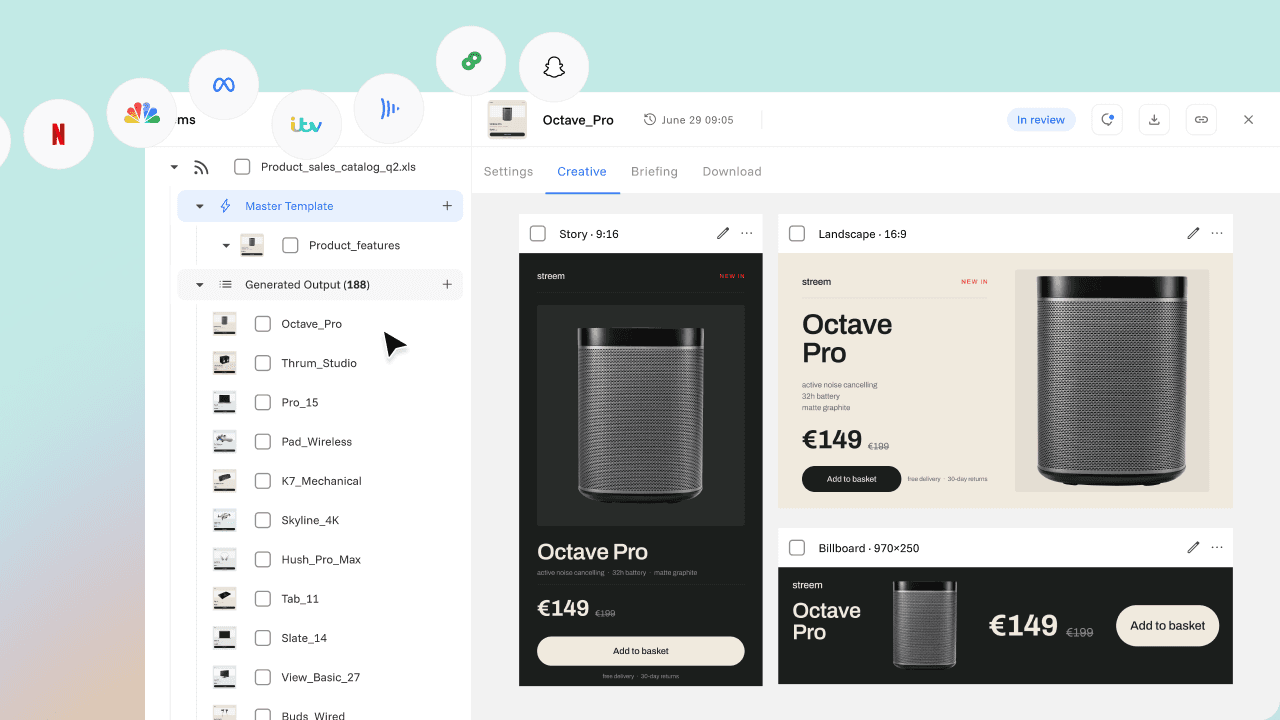
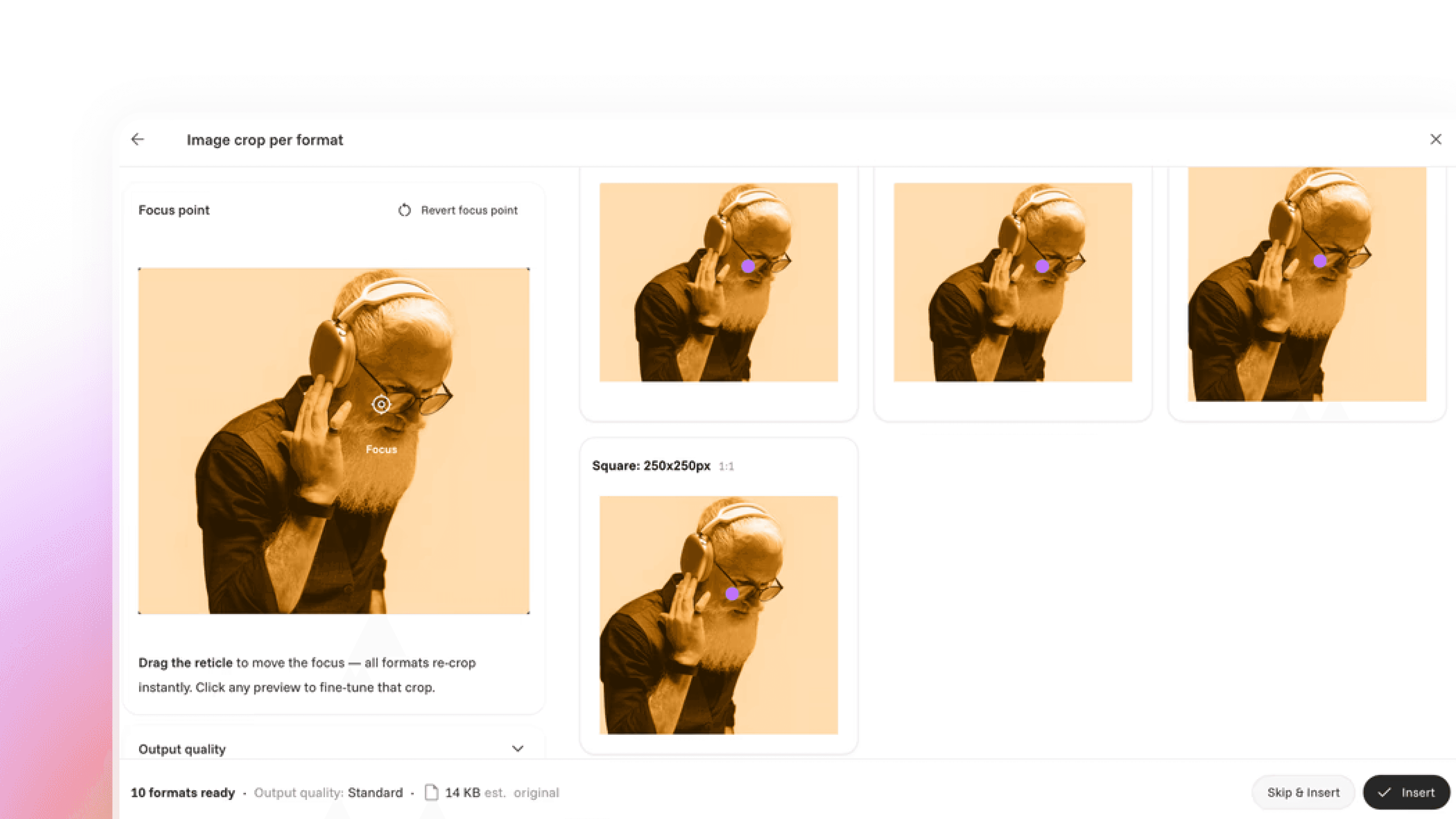
A verdadeira orquestração requer uma infraestrutura subjacente que unifique a produção de Criativo, a validação de conformidade e a ativação de mídia em ecossistemas abertos e fechados simultaneamente. Significa operar de forma integrada em milhares de destinos, desde as principais plataformas sociais até centenas de redes de transmissão e CTV.
A magia acontece quando normaliza os dados nesses ambientes em tempo real. Quando o seu sistema lê e estrutura sinais de desempenho de diversos canais numa única fonte de verdade, o seu fluxo de trabalho Criativo torna-se um ciclo de aprendizagem contínuo.
O que isto parece na prática: Um sinal preditivo de desempenho ou um pico de engajamento do público detectado numa campanha do TikTok informa instantaneamente um ajuste Criativo automatizado, redimensionamento de layout ou realocação de orçamento para os seus Anúncios de streaming no Hulu ou redes de transmissão linear.
Fazendo a ponte entre os walled gardens e a web aberta
Para sobreviver à próxima vaga de evolução da adtech, as organizações de marketing corporativo devem transcender os descompassos culturais e técnicos entre as equipes de design e de mídia.
A vantagem não virá mais apenas da produção de um maior volume de conteúdo. Virá da construção de um ecossistema unificado onde os ativos de Criativo são gerados com conformidade integrada, testados quanto ao impacto antes da veiculação e otimizados de forma contínua ao longo de toda a jornada do cliente.
Os walled gardens e a web aberta permanecerão sempre ambientes distintos para os consumidores. Mas, para as marcas corporativas, a sua infraestrutura tecnológica deve tratá-los como uma tela única e harmoniosa. Essa é a promessa da singularidade de Criativo-mídia, e é a única forma de construir campanhas à velocidade das máquinas, mantendo os humanos firmemente no comando.
Pare de desperdiçar ROAS em fluxos de trabalho fragmentados.
Se as suas equipes de Criativo e de mídia ainda estão a operar com ferramentas incompatíveis e métricas isoladas, está a queimar orçamento de mídia. Agende uma breve sessão de estratégia de 15 minutos com um especialista da Cape.io para ver como podemos unificar o ciclo de vida da sua campanha, desde a produção até à ativação multicanal.
Categoria