Obalanie mitów na temat telewizji programatycznej

Opinie ekspertów na temat programatycznego: co się dzieje, co jest hitem i co dalej.

Author

Cape.io

Author

Cape.io

Ten post został pierwotnie opublikowany na blogach IMD i Honeycomb.

Czy programowa reklama telewizyjna jest już blisko, czy wciąż jest tylko marzeniem? Czy rozwali budżety, czy zapewni większą efektywność za każdą złotówkę? Eksperci branży Reklama przecinają szum, aby ujawnić prawdę o programmatic video advertising.

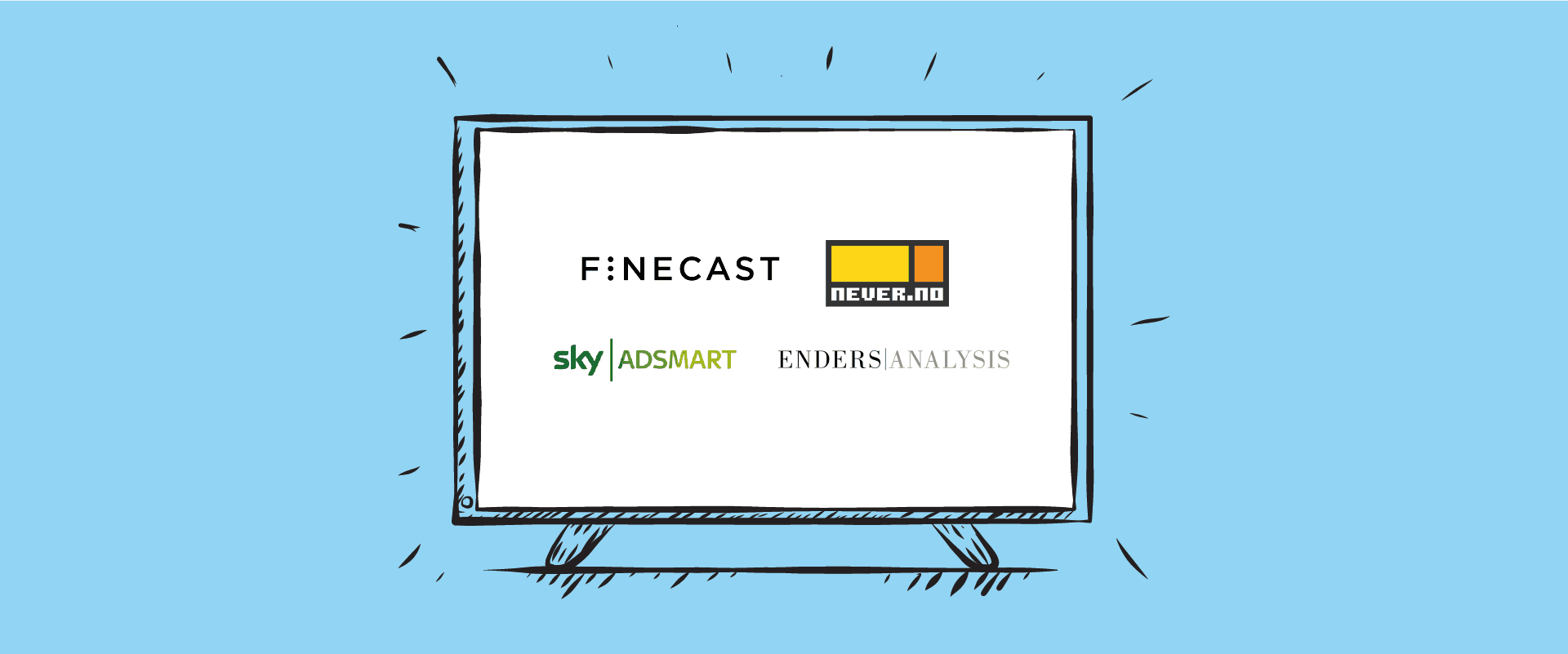
Scott Davies, CEO never.no, Graeme Hutcheson, szef Digital w Sky Adsmart, Doug Conely, CPO w Peach oraz Andrew McIntosh, starszy analityk w Enders Analysis, dzielą się swoimi spostrzeżeniami o obietnicach programmatic video.

Ten post został pierwotnie opublikowany na Little Black Book i na blogach IMD i Honeycomb.


Często słyszymy termin 'niezbyt odległa przyszłość' w kontekście programowej telewizji. Jaki czas mamy na myśli? Co właściwie jest możliwe teraz?

Graeme Hutcheson, Sky Adsmart: To zależy od twojej definicji programmatic. Jeśli chodzi o zautomatyzowane serwowanie reklam w strumieniu nadawczym lub automatyzację technologii zakupu jak CARIA, już tam jesteśmy. Jeśli chodzi o kupowanie i licytowanie w czasie rzeczywistym, jesteśmy daleko od tego. Jesteśmy pewni, że będziemy pierwsi na imprezie z Adsmart. Ale licytowanie w czasie rzeczywistym przed 2020 rokiem będzie wyzwaniem.

Scott Davies, never.no: Dla nas programmatic jest już rzeczywistością. Uważamy, że podstawowym wymogiem Programmatic jest dynamiczne zmienianie wersji treści dla końcowego odbiorcy, co obecnie realizuje never.no dla Digital, a co ważniejsze, dla tradycyjnej linearnej Reklama telewizyjnej. Oczywiście, platformy nadawcze określą, jak szczegółowe lub granularne można się stać. Jednakże, nawet tam, gdzie dostawa jest ograniczona, możemy nadal używać takich rzeczy jak treści generowane przez użytkowników (UGC), aby włączyć osobistą interakcję i generować wpływową dostawę reklamy - do ogółu lub do grup docelowych.

Doug Conely, Peach: Programmatic TV jest dzisiaj rzeczywistością w Wielkiej Brytanii: Sky Adsmart to wiodący przykład. Istnieją prawdziwe możliwości zakupu na większości głównych rynków medialnych. Pytanie brzmi, na jaką skalę? Czy można odtworzyć zasięg i częstotliwość, które może osiągnąć telewizja nadawcza? Odpowiedź brzmi: dziś zasięg nie jest tam obecny. Niewystarczająca liczba gospodarstw domowych używa połączonych telewizorów, a branża nie zintegrowała wystarczająco wielu elementów, aby to wszystko działało na skalę, wydajność i dokładność, których wymagają reklamodawcy. Kiedy to będzie dominujący model? Dziesięć lat? Zdecydowanie. Pięć lat? Prawdopodobnie, przy obecnym kursie. Dwa lata? Prawdopodobnie nie. Ale marki i agencje wyprzedzające będą dobrze przygotowane, aby wykorzystać te możliwości.

Ludzie uważają, że technologia targetowania w telewizji nie jest jeszcze wystarczająco dobra, aby zainwestować w nią. Czy to prawda?

GH: 1400 reklamodawców by się nie zgodziło. Jesteśmy już ponad 10 tysięcy kampanii i ponad 70% reklamodawców wraca na platformę. Tak więc, nie, nie powiedziałbym, że to prawda.

SD: Być może wynika to z bazy pomysłów. Sukces to nie tylko targetowanie, chodzi także o zaangażowanie - uczynienie reklamy istotną ORAZ poprawnie ukierunkowaną.

DC: Pojęcie targetowania w dzisiejszej telewizji nadawczej zostało ogromnie uproszczone, aby było handlowane na dużą skalę. W ten sposób mamy kampanie planowane dla demograficznych odbiorców marki jako zastępstwo dla tych, z którymi marka chce się komunikować. W niektórych rynkach agencje medialne mogą kupować przeciwko temu odbiorcy na podstawie założeń dotyczących podkładu odbiorców planu telewizyjnego. W Wielkiej Brytanii można to zaplanować i wymieniać przez CARIA. Ale to tylko zastępstwo dla celu.

Wideo online i programmatic TV zaoferują o wiele bogatsze opcje targetowania, aby marki mogły przemawiać do swoich odbiorców. Jest to możliwe dzisiaj, ale nie na skalę porównywalną z zakupem linearnej telewizji. Twierdzimy, że eksperymentowanie z programmatic TV i budowanie tych umiejętności dzisiaj to wartościowa inwestycja, aby przygotować się na nieuniknione przejście od nadawanego do IP-dostarczanego dominującego sposobu konsumowania treści.

Andrew McIntosh, Enders Analysis: Nikt nie powinien się powstrzymywać od reklamy telewizyjnej z powodu obaw związanych z targetowaniem. Telewizja jest słusznie znana ze swojego masowego zasięgu, ale jest również wysoce targetowalna, nawet bez nowej technologii, jeśli wybierzesz odpowiednie kanały, programy, znaczenia wagowe, sponsorowanie programów lub grupy docelowe. Jeśli dodasz do tego dzisiejszą technologię reklam telewizyjnych, masz fenomenalną kontrolę nad targetowaniem. Kombinacje są praktycznie nieskończone. Można wybierać wysoce ukierunkowane podgrupy odbiorców, od dziesiątek milionów dostępnych widzów.

Nadawca VoD z jego dynamiczną wstawianą reklamą również jest wysoce targetowalny, a Sky AdVance umożliwia sekwencyjne targetowanie między platformami między telewizją a komputerami PC, na przykład w konkretnych, anonimowych gospodarstwach domowych. Wysokiej jakości środowisko reklamowe telewizji powinno przekonać wszelkich ostatnich sceptyków. Reklamodawcy telewizyjni mogą być pewni, że płacą za reklamy, które zostały obejrzane w całości, w kontekście gdzie reklamy są akceptowane i cieszę się nimi jako częścią doświadczenia. To pozytywnie wypada na tle innej technologii targetowania, która może wydawać się celować w pożądanych konsumentów, ale która nie oferuje tej samej widoczności.

Jakie są najbardziej ekscytujące kreatywne możliwości generowane przez programmatic video?

GH: Cieszymy się z dynamicznej rotacji kopii, która najprawdopodobniej będzie integracją z firmą zewnętrzną, jak TVSquared czy Adalyser.

SD: W jednym słowie 'istotność'. Dostarczanie jednej kreatywnej realizacji, która jest waniliowa dla 'wszystkich', zawsze będzie walką o przyciągnięcie uwagi. Uczynienie, że dostarczanie tej reklamy staje się specyficzne dla widza, staje się bardziej przekonujące i bardziej istotne dla odbiorców. Oznacza to także, że poprzez zastosowanie możliwości dynamicznych zmian, można zmieniać przekaz i narrację na bieżąco, utrzymując uwagę na dłużej. Programmatic nie musi być tylko o jednej reklamie dla każdego indywidualnego odbiorcy, chodzi o zmienianie treści i dostarczanie jej do odpowiedniej i istotnej publiczności w odpowiednim czasie.

DC: Wideo dostarczane przez IP na ekranach telewizyjnych otwiera możliwości dla bardziej interaktywnych kreatywnych działań. Widzieliśmy to w przeszłości z wideo online, gdzie inne zasoby marki mogą być nakładane wokół głównego materiału wideo, takie jak pomijalne wideo, galerie zdjęć, mapy lokalizacyjne, funkcje bogate w media, jak „obrót samochodem”, „wideo z możliwością zakupu”, a nawet kanały społecznościowe. Wskaźniki zaangażowania dla takich doświadczeń są wyższe niż współczynniki kliknięcia dla mniej interaktywnych jednostek,

Co jest największym popularnym nieporozumieniem wokół programmatic video?

GH: Myślę, że zagrożeniem jest to, że podążamy za modelem w Digital display, gdzie chodziło tylko o monetyzację pozostałych zasobów, które nie zostały sprzedane. W świecie telewizji/nadawania, naszym zdaniem taki model nie istnieje. To wszystko profesjonalnie produkowane, bezpieczne dla marki i niezawodnie celowane treści w wysoce regulowanym środowisku.

SD: To nieporozumienie, że potrzebne są ogromne budżety na inżynierię i budowanie indywidualnie ukierunkowanych reklam – mamy dostępne technologie, które mogą to zrobić.

DC: Albo że programmatic video jest dominującą siłą, która wkrótce wywoła ogromne zamieszanie w branży, albo że to tylko pustosłowie promowane przez chciwe firmy adtech i agencje medialne szukające kolejnej historii do sprzedania swoim markom. Prawda jest gdzieś pośrodku!

Przeczytaj cały artykuł na Little Black Book.


Doug Conely, Andrew McIntosh i Scott Davies dołączyli do Johna Doyle'a z Sky Adsmart, Trushny Chaubal z Publicis Media , aby wziąć udział w ' Programmatic for the People', wydarzeniu na żywo, które odbyło się w kwietniu 2018 roku. 

Tags

Aktualności

Bądź na bieżąco z trendami

Ciekawy najnowszych trendów w marketingu i reklamie?
Zapisz się do naszego miesięcznego biuletynu Promarketers.

18 mar 2026

No more chocolate at breakfast? Navigating the new LHF ad rules this Easter

As ad compliance requirements evolve in 2026, UK confectionery brands face new restrictions on less healthy food (LHF) advertising. With the January 5 watershed now in effect, ad quality assurance systems must validate timing, placement, and product identifiability to avoid clearance failures this Easter season.

16 mar 2026

The future of inclusion: How Cape.io powered Virgin Media Television’s fully accessible ad break during the Men’s Six Nations

As Channel 4’s closed-captioning mandate came into effect in March 2026, Cape.io partnered with Virgin Media Television, Omnicom Media Group and VoiceBox to deliver a truly accessible ad break during the Guinness Men’s Six Nations. More than ad compliance, this moment proved that accessibility can operate at the highest level of live sports broadcasting.

27 lut 2026

Navigating Channel 4’s 2026 closed caption mandate

As ad compliance requirements tighten across the UK and Europe, closed captioning has evolved from an accessibility checkbox to a strategic necessity. Whether you're managing CTV campaigns or social media creative, automated ad testing for caption quality is no longer optional - it's fundamental to reaching today's fragmented, multi-screen audiences.

The advertising landscape is facing a seismic shift. By March 1, Channel 4 will become the first UK broadcaster to mandate closed captions across all advertising - including linear TV, streaming, and sponsorships.

The mandate is  a redefined standard for global inclusivity. Here is everything you need to know about the new mandate and how to stay ahead of the curve.

26 lut 2026

One platform, many realities: How creative automation platforms resolve the global vs. local tension

Scaling global marketing without losing local relevance requires more than brand guidelines and templates - it requires a creative automation platform designed for both global control and local flexibility. Most systems optimize for standardization, but scaling ad creative production across markets demands architecture that enables creative variation and adaptation by local experts without fragmenting brand governance.

Many global advertisers are chasing the same ideal: scale without losing relevance.

Consistency without uniformity.
Efficiency without bureaucracy.

It sounds simple. In practice, it’s one of the hardest tensions to resolve in modern marketing.

The global vs. local challenge isn’t new, but it’s becoming more urgent. As brands expand across markets, channels, and cultures, the question is no longer whether you should scale globally, but how you do so without erasing the nuance that makes marketing effective in the first place.

Everyone is looking for this balance. Very few get it right.

11 lut 2026

EPTVI Initiative launches Stage Two to help programmatic TV scale across Europe’s largest advertising markets

Broadcasters, streamers, agencies and ad tech companies including Google Ad Manager, Equativ, Adform, LiveRamp, The Trade Desk, FreeWheel and Cape.io begin work on practical solutions to reduce complexity and speed up adoption.

4 lut 2026

The guardrails of growth: Why creative intelligence demands compliance

Generative AI can produce thousands of creative variants, but most compliance systems are still manual, fragmented, and reactive, unable to keep pace with today’s velocity. To move fast without breaking things, the industry needs a new approach: real-time verification, programmatic enforcement, and end-to-end visibility. Embedded inside the stack, not bolted on at the end.

Aktualności

Bądź na bieżąco z trendami

Ciekawy najnowszych trendów w marketingu i reklamie?
Zapisz się do naszego miesięcznego biuletynu Promarketers.

18 mar 2026

No more chocolate at breakfast? Navigating the new LHF ad rules this Easter

As ad compliance requirements evolve in 2026, UK confectionery brands face new restrictions on less healthy food (LHF) advertising. With the January 5 watershed now in effect, ad quality assurance systems must validate timing, placement, and product identifiability to avoid clearance failures this Easter season.

16 mar 2026

The future of inclusion: How Cape.io powered Virgin Media Television’s fully accessible ad break during the Men’s Six Nations

As Channel 4’s closed-captioning mandate came into effect in March 2026, Cape.io partnered with Virgin Media Television, Omnicom Media Group and VoiceBox to deliver a truly accessible ad break during the Guinness Men’s Six Nations. More than ad compliance, this moment proved that accessibility can operate at the highest level of live sports broadcasting.

27 lut 2026

Navigating Channel 4’s 2026 closed caption mandate

As ad compliance requirements tighten across the UK and Europe, closed captioning has evolved from an accessibility checkbox to a strategic necessity. Whether you're managing CTV campaigns or social media creative, automated ad testing for caption quality is no longer optional - it's fundamental to reaching today's fragmented, multi-screen audiences.

The advertising landscape is facing a seismic shift. By March 1, Channel 4 will become the first UK broadcaster to mandate closed captions across all advertising - including linear TV, streaming, and sponsorships.

The mandate is  a redefined standard for global inclusivity. Here is everything you need to know about the new mandate and how to stay ahead of the curve.

26 lut 2026

One platform, many realities: How creative automation platforms resolve the global vs. local tension

Scaling global marketing without losing local relevance requires more than brand guidelines and templates - it requires a creative automation platform designed for both global control and local flexibility. Most systems optimize for standardization, but scaling ad creative production across markets demands architecture that enables creative variation and adaptation by local experts without fragmenting brand governance.

Many global advertisers are chasing the same ideal: scale without losing relevance.

Consistency without uniformity.
Efficiency without bureaucracy.

It sounds simple. In practice, it’s one of the hardest tensions to resolve in modern marketing.

The global vs. local challenge isn’t new, but it’s becoming more urgent. As brands expand across markets, channels, and cultures, the question is no longer whether you should scale globally, but how you do so without erasing the nuance that makes marketing effective in the first place.

Everyone is looking for this balance. Very few get it right.

11 lut 2026

EPTVI Initiative launches Stage Two to help programmatic TV scale across Europe’s largest advertising markets

Broadcasters, streamers, agencies and ad tech companies including Google Ad Manager, Equativ, Adform, LiveRamp, The Trade Desk, FreeWheel and Cape.io begin work on practical solutions to reduce complexity and speed up adoption.

4 lut 2026

The guardrails of growth: Why creative intelligence demands compliance

Generative AI can produce thousands of creative variants, but most compliance systems are still manual, fragmented, and reactive, unable to keep pace with today’s velocity. To move fast without breaking things, the industry needs a new approach: real-time verification, programmatic enforcement, and end-to-end visibility. Embedded inside the stack, not bolted on at the end.

Aktualności

Bądź na bieżąco z trendami

Ciekawy najnowszych trendów w marketingu i reklamie?
Zapisz się do naszego miesięcznego biuletynu Promarketers.

18 mar 2026

No more chocolate at breakfast? Navigating the new LHF ad rules this Easter

As ad compliance requirements evolve in 2026, UK confectionery brands face new restrictions on less healthy food (LHF) advertising. With the January 5 watershed now in effect, ad quality assurance systems must validate timing, placement, and product identifiability to avoid clearance failures this Easter season.

16 mar 2026

The future of inclusion: How Cape.io powered Virgin Media Television’s fully accessible ad break during the Men’s Six Nations

As Channel 4’s closed-captioning mandate came into effect in March 2026, Cape.io partnered with Virgin Media Television, Omnicom Media Group and VoiceBox to deliver a truly accessible ad break during the Guinness Men’s Six Nations. More than ad compliance, this moment proved that accessibility can operate at the highest level of live sports broadcasting.

27 lut 2026

Navigating Channel 4’s 2026 closed caption mandate

As ad compliance requirements tighten across the UK and Europe, closed captioning has evolved from an accessibility checkbox to a strategic necessity. Whether you're managing CTV campaigns or social media creative, automated ad testing for caption quality is no longer optional - it's fundamental to reaching today's fragmented, multi-screen audiences.

The advertising landscape is facing a seismic shift. By March 1, Channel 4 will become the first UK broadcaster to mandate closed captions across all advertising - including linear TV, streaming, and sponsorships.

The mandate is  a redefined standard for global inclusivity. Here is everything you need to know about the new mandate and how to stay ahead of the curve.

26 lut 2026

One platform, many realities: How creative automation platforms resolve the global vs. local tension

Scaling global marketing without losing local relevance requires more than brand guidelines and templates - it requires a creative automation platform designed for both global control and local flexibility. Most systems optimize for standardization, but scaling ad creative production across markets demands architecture that enables creative variation and adaptation by local experts without fragmenting brand governance.

Many global advertisers are chasing the same ideal: scale without losing relevance.

Consistency without uniformity.
Efficiency without bureaucracy.

It sounds simple. In practice, it’s one of the hardest tensions to resolve in modern marketing.

The global vs. local challenge isn’t new, but it’s becoming more urgent. As brands expand across markets, channels, and cultures, the question is no longer whether you should scale globally, but how you do so without erasing the nuance that makes marketing effective in the first place.

Everyone is looking for this balance. Very few get it right.

11 lut 2026

EPTVI Initiative launches Stage Two to help programmatic TV scale across Europe’s largest advertising markets

Broadcasters, streamers, agencies and ad tech companies including Google Ad Manager, Equativ, Adform, LiveRamp, The Trade Desk, FreeWheel and Cape.io begin work on practical solutions to reduce complexity and speed up adoption.

4 lut 2026

The guardrails of growth: Why creative intelligence demands compliance

Generative AI can produce thousands of creative variants, but most compliance systems are still manual, fragmented, and reactive, unable to keep pace with today’s velocity. To move fast without breaking things, the industry needs a new approach: real-time verification, programmatic enforcement, and end-to-end visibility. Embedded inside the stack, not bolted on at the end.

Skontaktuj się

Pokażemy Ci, co Cape.io może zrobić.

Intelligent Campaign Automation

Cape.io łączy się z Twoim DAM, serwerami reklam, DSP, narzędziami do zarządzania przepływem pracy i nie tylko, więc nie musisz wymieniać ani zastępować.

© 2025 Cape.io. Wszelkie prawa zastrzeżone

Polski

Skontaktuj się

Pokażemy Ci, co Cape.io może zrobić.

Intelligent Campaign Automation

Cape.io łączy się z Twoim DAM, serwerami reklam, DSP, narzędziami do zarządzania przepływem pracy i nie tylko, więc nie musisz wymieniać ani zastępować.

© 2025 Cape.io. Wszelkie prawa zastrzeżone

Polski

Skontaktuj się

Pokażemy Ci, co Cape.io może zrobić.

Intelligent Campaign Automation

Cape.io łączy się z Twoim DAM, serwerami reklam, DSP, narzędziami do zarządzania przepływem pracy i nie tylko, więc nie musisz wymieniać ani zastępować.

© 2025 Cape.io. Wszelkie prawa zastrzeżone

Polski