Wprowadzenie do API dewelopera Peach

Doug Conely przedstawia nowe API dla programistów Peach, które umożliwia reklamodawcom, agencjom kreatywnym, produkcyjnym i mediowym automatyzację pracy z kampaniami

To zostało pierwotnie opublikowane na stronie internetowej Peach. Dowiedz się więcej o rebrandingu z Peach na Cape.io.

Peach jest na misji, aby zmodernizować ekosystem reklamowy. Wciąż jest za dużo ręcznego wprowadzania metadanych kampanii i informacji o planach medialnych — oraz za dużo pobierania i przesyłania plików między systemami. Chcemy to rozwiązać.

Jesteśmy dumni, że od dzisiaj jeszcze łatwiej jest tworzyć i dystrybuować kampanie wideo na całym świecie. 

Jak to możliwe?

Jesteśmy podekscytowani wprowadzeniem Peach Developer API — zupełnie nowego produktu, który umożliwia łatwą integrację oprogramowania firmowego lub z zewnątrz z Platformą Peach. 

W przeciwieństwie do wielu platform, nie chcemy, żebyś spędzał więcej czasu w naszej aplikacji, chcemy, żebyś spędzał go mniej. Dlaczego? Bo to oznacza, że ​​szybciej wykonujesz swoją pracę — dzięki czemu możesz skupić się na bardziej kreatywnych lub strategicznych aspektach dnia. Chcemy zmodernizować cały ekosystem reklamowy — redukując pracę manualną i błędy. Peach Developer API jest kluczowym elementem w realizacji tego celu. Nie możemy się doczekać, aż trafi w ręce naszych klientów i zobaczymy, co można za jego pomocą stworzyć. 

Co robi Peach Developer API? Ta wersja API została zaprojektowana, aby programowo (ludzie z branży ad tech, tym razem mamy na myśli pierwotne „programowe”, a nie to inne „programowe”) integrować metadane i zasoby wideo za pośrednictwem publicznych linków, które następnie są kontrolowane i dystrybuowane do nadawców i platform. 

Oto kilka przykładów, co można z nim zrobić.

Automatyzacja danych reklamowych

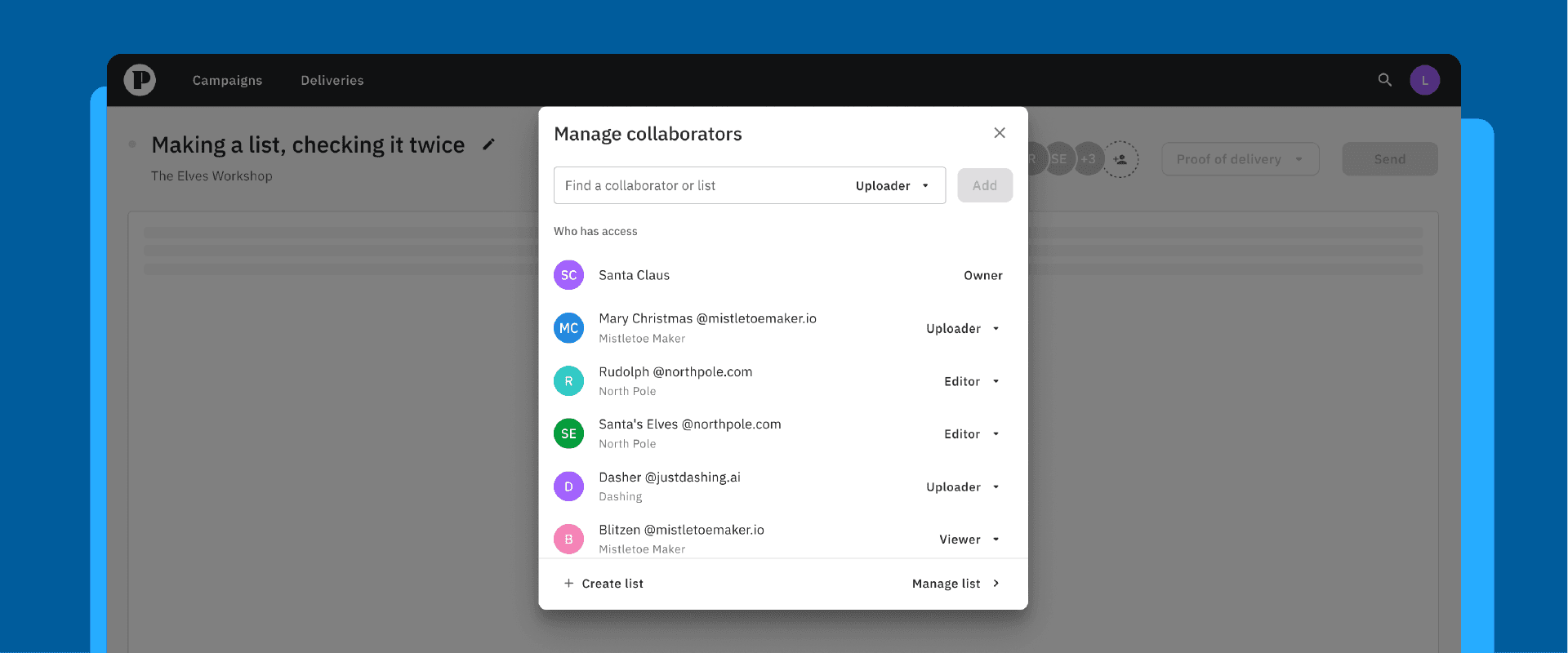
Masz wewnętrzny system w swojej agencji, który przechowuje twój plan medialny, zasoby i metadane? Automatycznie twórz kampanie z metadanymi reklamowymi i miejscami docelowymi w Peach, aby rozprowadzać je do nadawców i innych miejsc docelowych.

Szybsza dystrybucja zasobów

Przestań przesyłać pliki między różnymi platformami reklamowymi — dzięki Peach Developer API zasób wideo można wciągnąć bezpośrednio do kampanii przez publiczny URL. Jeśli wideo znajduje się w Dropboxie, Dysku Google lub systemie zarządzania zasobami, można je bezpośrednio pobrać, dokonać Kontroli jakości i wysłać rendery do miejsc docelowych — oszczędzając ogromne ilości czasu i unikając kosztownych błędów.

Dystrybucja do ponad 40 000 nadawców, platform reklamowych i nie tylko

Uprość dystrybucję zasobów wideo do nadawców i innych miejsc docelowych. Nazewnictwo nadawców i innych miejsc docelowych często jest niespójne w branży i może powodować problemy — korzystając z inteligentnych aliasów Peach Developer API radzi sobie z tym.

Deweloperzy: co musisz wiedzieć

  1. Peach Developer API początkowo będzie wspierać automatyzację i integracje dla „strony kupującej” Platformy Peach: w tym tworzenie kampanii, reklam i miejsc docelowych

  2. API jest zorganizowane wokół powszechnych zasad REST przy użyciu standardowych kodów odpowiedzi HTTP, uwierzytelniania i czasowników. Wszystkie żądania powinny być składane poprzez SSL. Wszystkie ciała żądań i odpowiedzi, w tym błędy, są kodowane w formacie JSON.

  3. Początkowy zestaw funkcji zapewnia funkcjonalność CRUD dla podstawowych podmiotów: Kampanie, Reklamy, Zasoby i Miejsca docelowe.

  4. Zapewniamy zestaw punktów końcowych do mapowania, pozwalający na użycie niestandardowych nazw dla Reklamodawców, Marek, Miejsc docelowych i Kanałów

  5. Zasoby wideo mogą być dodane do kampanii za pośrednictwem publicznego URL (np. poprzez Dropbox, Dysk Google, systemy zarządzania zasobami itp.)

  6. Funkcja symulacji danych API pozwala na testowanie API przy użyciu wstępnie zdefiniowanego zbioru identyfikatorów ze sobą połączonych i zsynchronizowanych pomiędzy wszystkimi wystawionymi podmiotami – ograniczając potrzebny czas na integrację z Peach i eliminując konieczność korzystania z konta testowego. 

  7. Detale dokumentacji obejmują każdy dostępny punkt końcowy (szczegółowo opisując zarówno żądania, jak i odpowiedzi) i zawierają kolekcję Postman, zapewniającą pełną suite testów.

  8. Obecnie API wspiera dystrybucję do naszej ogromnej gamy integracji w kierunku „celów bezpośrednich”, obejmujących nadawców na całym świecie. Obecnie wyklucza jednak miejsca docelowe aktywatorów oraz te, które wymagają autoryzacji użytkownika. 

Więcej szczegółowych informacji programiści mogą znaleźć na stronie Peach Developer API i postępować zgodnie z instrukcjami dotyczącymi rejestracji, uwierzytelniania i autoryzacji, lub skontaktować się z nami po dodatkowe informacje.

Peach Developer API powstawało przez wiele lat. Sama aplikacja Peach została zbudowana na bogatym API, które było rozwijane w wersji wypuszczonej w 2016 roku i używane wewnętrznie. To solidny produkt. Ale potrzeba dużo więcej, aby prezentować go na zewnątrz, dlatego chciałbym podziękować Clintonowi Van Ry, Bartoszowi Gosiewskiemu i całemu zespołowi, który go stworzył, klientom, którzy pomogli nam określić, jak powinno działać i testowali wcześniejsze, wewnętrzne wersje, a także wielu osobom, które były podekscytowane możliwościami, jakie stworzy — w tym niektórych absolwentów z Peach, takich jak Tadas Tamošauskas, Frank Lakebrink, Tom Walne i wielu innych.

Aktualności

Bądź na bieżąco z trendami

Ciekawy najnowszych trendów w marketingu i reklamie?
Zapisz się do naszego miesięcznego biuletynu Promarketers.

18 mar 2026

No more chocolate at breakfast? Navigating the new LHF ad rules this Easter

As ad compliance requirements evolve in 2026, UK confectionery brands face new restrictions on less healthy food (LHF) advertising. With the January 5 watershed now in effect, ad quality assurance systems must validate timing, placement, and product identifiability to avoid clearance failures this Easter season.

16 mar 2026

The future of inclusion: How Cape.io powered Virgin Media Television’s fully accessible ad break during the Men’s Six Nations

As Channel 4’s closed-captioning mandate came into effect in March 2026, Cape.io partnered with Virgin Media Television, Omnicom Media Group and VoiceBox to deliver a truly accessible ad break during the Guinness Men’s Six Nations. More than ad compliance, this moment proved that accessibility can operate at the highest level of live sports broadcasting.

27 lut 2026

Navigating Channel 4’s 2026 closed caption mandate

As ad compliance requirements tighten across the UK and Europe, closed captioning has evolved from an accessibility checkbox to a strategic necessity. Whether you're managing CTV campaigns or social media creative, automated ad testing for caption quality is no longer optional - it's fundamental to reaching today's fragmented, multi-screen audiences.

The advertising landscape is facing a seismic shift. By March 1, Channel 4 will become the first UK broadcaster to mandate closed captions across all advertising - including linear TV, streaming, and sponsorships.

The mandate is  a redefined standard for global inclusivity. Here is everything you need to know about the new mandate and how to stay ahead of the curve.

26 lut 2026

One platform, many realities: How creative automation platforms resolve the global vs. local tension

Scaling global marketing without losing local relevance requires more than brand guidelines and templates - it requires a creative automation platform designed for both global control and local flexibility. Most systems optimize for standardization, but scaling ad creative production across markets demands architecture that enables creative variation and adaptation by local experts without fragmenting brand governance.

Many global advertisers are chasing the same ideal: scale without losing relevance.

Consistency without uniformity.
Efficiency without bureaucracy.

It sounds simple. In practice, it’s one of the hardest tensions to resolve in modern marketing.

The global vs. local challenge isn’t new, but it’s becoming more urgent. As brands expand across markets, channels, and cultures, the question is no longer whether you should scale globally, but how you do so without erasing the nuance that makes marketing effective in the first place.

Everyone is looking for this balance. Very few get it right.

11 lut 2026

EPTVI Initiative launches Stage Two to help programmatic TV scale across Europe’s largest advertising markets

Broadcasters, streamers, agencies and ad tech companies including Google Ad Manager, Equativ, Adform, LiveRamp, The Trade Desk, FreeWheel and Cape.io begin work on practical solutions to reduce complexity and speed up adoption.

4 lut 2026

The guardrails of growth: Why creative intelligence demands compliance

Generative AI can produce thousands of creative variants, but most compliance systems are still manual, fragmented, and reactive, unable to keep pace with today’s velocity. To move fast without breaking things, the industry needs a new approach: real-time verification, programmatic enforcement, and end-to-end visibility. Embedded inside the stack, not bolted on at the end.

Aktualności

Bądź na bieżąco z trendami

Ciekawy najnowszych trendów w marketingu i reklamie?
Zapisz się do naszego miesięcznego biuletynu Promarketers.

18 mar 2026

No more chocolate at breakfast? Navigating the new LHF ad rules this Easter

As ad compliance requirements evolve in 2026, UK confectionery brands face new restrictions on less healthy food (LHF) advertising. With the January 5 watershed now in effect, ad quality assurance systems must validate timing, placement, and product identifiability to avoid clearance failures this Easter season.

16 mar 2026

The future of inclusion: How Cape.io powered Virgin Media Television’s fully accessible ad break during the Men’s Six Nations

As Channel 4’s closed-captioning mandate came into effect in March 2026, Cape.io partnered with Virgin Media Television, Omnicom Media Group and VoiceBox to deliver a truly accessible ad break during the Guinness Men’s Six Nations. More than ad compliance, this moment proved that accessibility can operate at the highest level of live sports broadcasting.

27 lut 2026

Navigating Channel 4’s 2026 closed caption mandate

As ad compliance requirements tighten across the UK and Europe, closed captioning has evolved from an accessibility checkbox to a strategic necessity. Whether you're managing CTV campaigns or social media creative, automated ad testing for caption quality is no longer optional - it's fundamental to reaching today's fragmented, multi-screen audiences.

The advertising landscape is facing a seismic shift. By March 1, Channel 4 will become the first UK broadcaster to mandate closed captions across all advertising - including linear TV, streaming, and sponsorships.

The mandate is  a redefined standard for global inclusivity. Here is everything you need to know about the new mandate and how to stay ahead of the curve.

26 lut 2026

One platform, many realities: How creative automation platforms resolve the global vs. local tension

Scaling global marketing without losing local relevance requires more than brand guidelines and templates - it requires a creative automation platform designed for both global control and local flexibility. Most systems optimize for standardization, but scaling ad creative production across markets demands architecture that enables creative variation and adaptation by local experts without fragmenting brand governance.

Many global advertisers are chasing the same ideal: scale without losing relevance.

Consistency without uniformity.
Efficiency without bureaucracy.

It sounds simple. In practice, it’s one of the hardest tensions to resolve in modern marketing.

The global vs. local challenge isn’t new, but it’s becoming more urgent. As brands expand across markets, channels, and cultures, the question is no longer whether you should scale globally, but how you do so without erasing the nuance that makes marketing effective in the first place.

Everyone is looking for this balance. Very few get it right.

11 lut 2026

EPTVI Initiative launches Stage Two to help programmatic TV scale across Europe’s largest advertising markets

Broadcasters, streamers, agencies and ad tech companies including Google Ad Manager, Equativ, Adform, LiveRamp, The Trade Desk, FreeWheel and Cape.io begin work on practical solutions to reduce complexity and speed up adoption.

4 lut 2026

The guardrails of growth: Why creative intelligence demands compliance

Generative AI can produce thousands of creative variants, but most compliance systems are still manual, fragmented, and reactive, unable to keep pace with today’s velocity. To move fast without breaking things, the industry needs a new approach: real-time verification, programmatic enforcement, and end-to-end visibility. Embedded inside the stack, not bolted on at the end.

Aktualności

Bądź na bieżąco z trendami

Ciekawy najnowszych trendów w marketingu i reklamie?
Zapisz się do naszego miesięcznego biuletynu Promarketers.

18 mar 2026

No more chocolate at breakfast? Navigating the new LHF ad rules this Easter

As ad compliance requirements evolve in 2026, UK confectionery brands face new restrictions on less healthy food (LHF) advertising. With the January 5 watershed now in effect, ad quality assurance systems must validate timing, placement, and product identifiability to avoid clearance failures this Easter season.

16 mar 2026

The future of inclusion: How Cape.io powered Virgin Media Television’s fully accessible ad break during the Men’s Six Nations

As Channel 4’s closed-captioning mandate came into effect in March 2026, Cape.io partnered with Virgin Media Television, Omnicom Media Group and VoiceBox to deliver a truly accessible ad break during the Guinness Men’s Six Nations. More than ad compliance, this moment proved that accessibility can operate at the highest level of live sports broadcasting.

27 lut 2026

Navigating Channel 4’s 2026 closed caption mandate

As ad compliance requirements tighten across the UK and Europe, closed captioning has evolved from an accessibility checkbox to a strategic necessity. Whether you're managing CTV campaigns or social media creative, automated ad testing for caption quality is no longer optional - it's fundamental to reaching today's fragmented, multi-screen audiences.

The advertising landscape is facing a seismic shift. By March 1, Channel 4 will become the first UK broadcaster to mandate closed captions across all advertising - including linear TV, streaming, and sponsorships.

The mandate is  a redefined standard for global inclusivity. Here is everything you need to know about the new mandate and how to stay ahead of the curve.

26 lut 2026

One platform, many realities: How creative automation platforms resolve the global vs. local tension

Scaling global marketing without losing local relevance requires more than brand guidelines and templates - it requires a creative automation platform designed for both global control and local flexibility. Most systems optimize for standardization, but scaling ad creative production across markets demands architecture that enables creative variation and adaptation by local experts without fragmenting brand governance.

Many global advertisers are chasing the same ideal: scale without losing relevance.

Consistency without uniformity.
Efficiency without bureaucracy.

It sounds simple. In practice, it’s one of the hardest tensions to resolve in modern marketing.

The global vs. local challenge isn’t new, but it’s becoming more urgent. As brands expand across markets, channels, and cultures, the question is no longer whether you should scale globally, but how you do so without erasing the nuance that makes marketing effective in the first place.

Everyone is looking for this balance. Very few get it right.

11 lut 2026

EPTVI Initiative launches Stage Two to help programmatic TV scale across Europe’s largest advertising markets

Broadcasters, streamers, agencies and ad tech companies including Google Ad Manager, Equativ, Adform, LiveRamp, The Trade Desk, FreeWheel and Cape.io begin work on practical solutions to reduce complexity and speed up adoption.

4 lut 2026

The guardrails of growth: Why creative intelligence demands compliance

Generative AI can produce thousands of creative variants, but most compliance systems are still manual, fragmented, and reactive, unable to keep pace with today’s velocity. To move fast without breaking things, the industry needs a new approach: real-time verification, programmatic enforcement, and end-to-end visibility. Embedded inside the stack, not bolted on at the end.

Skontaktuj się

Pokażemy Ci, co Cape.io może zrobić.

Intelligent Campaign Automation

Cape.io łączy się z Twoim DAM, serwerami reklam, DSP, narzędziami do zarządzania przepływem pracy i nie tylko, więc nie musisz wymieniać ani zastępować.

© 2025 Cape.io. Wszelkie prawa zastrzeżone

Polski

Skontaktuj się

Pokażemy Ci, co Cape.io może zrobić.

Intelligent Campaign Automation

Cape.io łączy się z Twoim DAM, serwerami reklam, DSP, narzędziami do zarządzania przepływem pracy i nie tylko, więc nie musisz wymieniać ani zastępować.

© 2025 Cape.io. Wszelkie prawa zastrzeżone

Polski

Skontaktuj się

Pokażemy Ci, co Cape.io może zrobić.

Intelligent Campaign Automation

Cape.io łączy się z Twoim DAM, serwerami reklam, DSP, narzędziami do zarządzania przepływem pracy i nie tylko, więc nie musisz wymieniać ani zastępować.

© 2025 Cape.io. Wszelkie prawa zastrzeżone

Polski