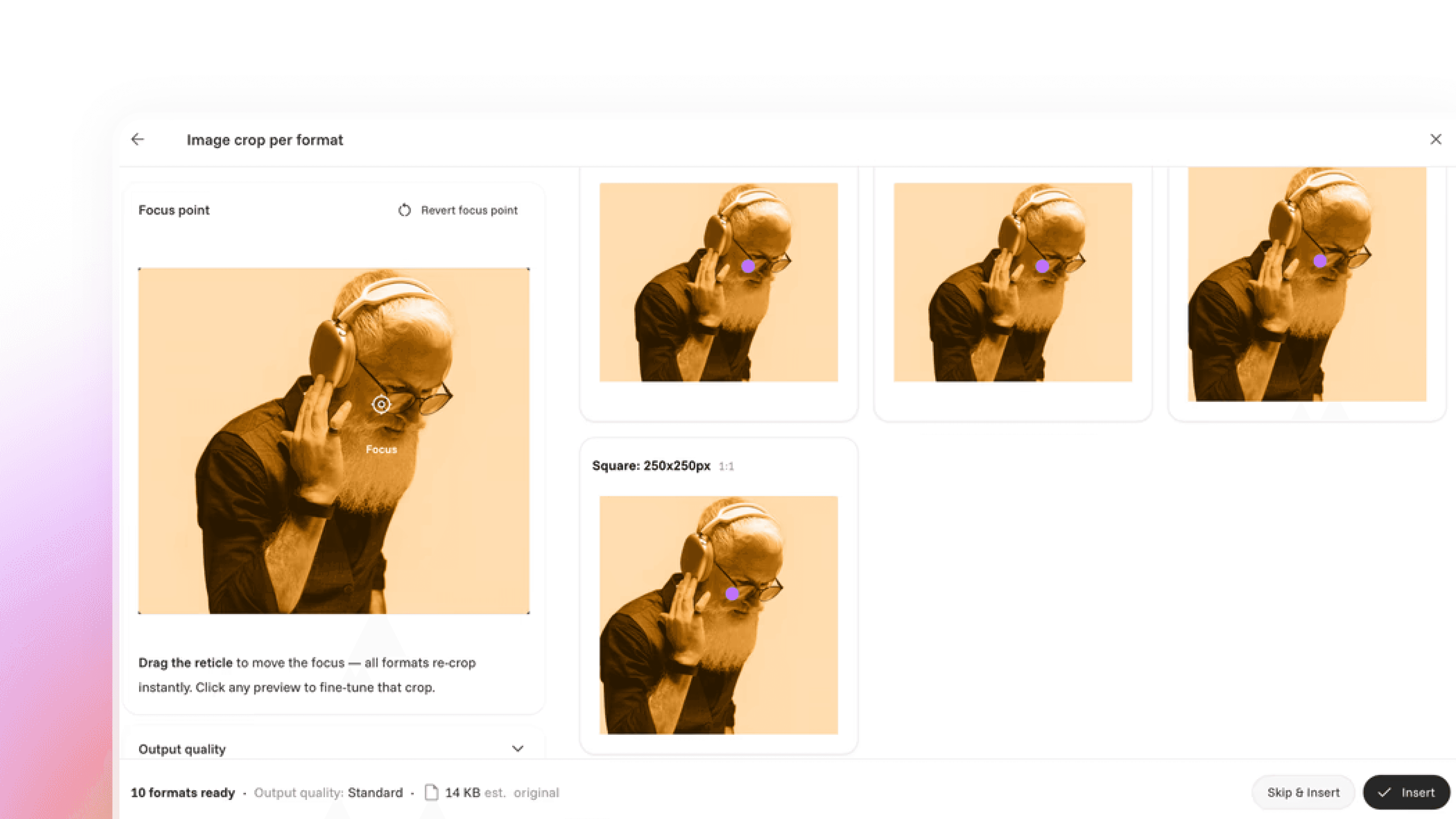
Dobre, złe i opóźnione: Wyzwania dla marek i dostarczania reklam

Konfrontacja, której nawet Clint Eastwood by się nie podjął

Author

Cape.io

Author

Cape.io

To zostało pierwotnie opublikowane na stronie internetowej Peach. Dowiedz się więcej o zmianie marki z Peach na Cape.io.

Marki inwestują dużo czasu, pieniędzy i wysiłku w potężną reklamę, która inspiruje i przekonuje widzów do wyboru ich produktu lub usługi zamiast konkurencji. Potrzeba wiedzy, że ich wydatki są skuteczne, stała się bardziej powszechna niż kiedykolwiek, ponieważ 30% reklamodawców zgłosiło cięcia w budżetach na 2023 rok. Marki muszą wiedzieć, że ich ograniczone wydatki nie poszły na marne. 

Jednak reklamodawcy dzisiaj stają przed szeregiem wyzwań związanych z zarządzaniem treściami wideo i kampaniami marketingowymi, które wpływają na możliwość mierzenia ich sukcesu. 


Sfragmentowane systemy i źródła danych

Duże marki korzystają z różnych agencji i partnerów na całym świecie, aby dostarczyć swoje reklamy do różnych destynacji. Proces dostarczania prawdopodobnie różni się w zależności od rynku, a nawet zespołów działających na tym samym rynku. 

Na przykład, na jednym z rynków, reklamy telewizyjne mogą być przesyłane ręcznie, cyfrowe mogą być wysyłane e-mailem, linkiem do pobrania, a nawet przez Wetransfer, podczas gdy na innym rynku, reklama telewizyjna jest zarządzana przez jedną agencję, a następnie reklama cyfrowa jest zarządzana przez inną, oddzielną agencję razem. 

To problem, ponieważ tworzy niefortunne silosy między interesariuszami, więc uzyskanie spójnych danych z jasnym śladem audytu staje się praktycznie niemożliwe dla marek.

Jak więc marki zapewniają sobie uzyskiwanie spójnych danych i informacji od agencji na całym świecie? Odpowiedź jest prosta: dużo wysiłku umysłowego ze strony personelu agencji. Wprowadzane są konwencje nazewnictwa, ciężkie wdrożenie dla nowych pracowników i wiele ręcznego eksportowania danych, aby uzyskać wyniki, które nawet wtedy nie gwarantują dokładności. 

Brak ustandaryzowanego i zautomatyzowanego globalnego procedury utrudnia markom uzyskanie pełnego zrozumienia ich wyników, aby w konsekwencji podejmować decyzje oparte na danych. Bez jasnych metryk i informacji, może być trudno markom zrozumieć, jak ich kampanie sobie radzą i wprowadzać niezbędne korekty. Zamiast tego, marki pozostają z wieloma pytaniami bez odpowiedzi, z najstraszniejszym będącym, czy kampania w ogóle została dostarczona? 


Ograniczony dostęp do własnych treści

Nieuniknione jest, że marki będą musiały korzystać z różnych systemów w zarządzaniu kampaniami, a korzystanie z różnych platform nie jest sednem problemu. Na przykład, Adserver i DAM są właściwie obowiązkowe, jednak prawdziwym problemem jest to, że często są od siebie odłączone. To wtedy nie działa. 

Chcesz, aby współpracowały one ze sobą i miały otwartą łączność, w której dane mogą przepływać bez wysiłku z jednego do drugiego bez żadnej manualnej interwencji czy kuracji. 

Marki często mają trudności z odnalezieniem i dostępem do wszystkich swoich treści na różnych platformach i kanałach, co utrudnia efektywne ponowne wykorzystanie zasobów. Co więcej, poszukiwanie treści i wyników kampanii spowalnia szybkość reakcji, co uniemożliwia elastyczność, a co może być kluczowe, jeśli kampania wymaga pilnej uwagi. 


Uzyskiwanie usług dostępności prawidłowo  

Usługi dostępu muszą również być na czele rozważań marki. Mówiliśmy wcześniej o ważności włączania usług dostępności w reklamach, ale mogą towarzyszyć temu wyzwania. 

Pierwszym, najbardziej widocznym wyzwaniem jest zmiana narracji na to, że usługi dostępności są warte włączenia i nie naruszają budżetu. Te usługi są błędnie uznawane za kosztowne i trudne do wdrożenia, ale w wielu przypadkach można je łatwo włączyć, aby zapewnić dostępność treści dla wszystkich konsumentów i generować wysoki zwrot z inwestycji.

Następnie marki muszą komunikować swoim agencjom od samego początku, że chcą, aby te usługi były włączone. Czasami nie są one dodawane tylko dlatego, że nie jest dostatecznie jasno komunikowane, że są pożądane. Napisy/napisy zamknięte i opisy dźwiękowe mogą być dodawane do reklamy na końcowym etapie produkcji, ale nie mogą być kwestią wtórną. Aby było to skuteczne, agencje muszą być kierowane do zważania, jak dobrze reklama przetłumaczy się za pośrednictwem usług dostępności na etapie generowania pomysłów. Na przykład, jeśli reklama opiera się wyłącznie na muzyce dla wzbudzania napięcia i napięcia, to nie przełoży się to dobrze na napisy. 

W końcu marki mogą zlecić tę usługę kolejnego interesariusza{

Aktualności

Bądź na bieżąco z trendami

Ciekawy najnowszych trendów w marketingu i reklamie?
Zapisz się do naszego miesięcznego biuletynu Promarketers.

30 mar 2026

Operationalizing AI in advertising: Why it must be embedded, not bolted on

Operationalizing AI in advertising isn’t about adding another tool to your stack. It’s about embedding intelligence into the systems that govern creative production, compliance, and delivery, so automation scales without creating more operational friction.

18 mar 2026

No more chocolate at breakfast? Navigating the new LHF ad rules this Easter

As ad compliance requirements evolve in 2026, UK confectionery brands face new restrictions on less healthy food (LHF) advertising. With the January 5 watershed now in effect, ad quality assurance systems must validate timing, placement, and product identifiability to avoid clearance failures this Easter season.

16 mar 2026

The future of inclusion: How Cape.io powered Virgin Media Television’s fully accessible ad break during the Men’s Six Nations

As Channel 4’s closed-captioning mandate came into effect in March 2026, Cape.io partnered with Virgin Media Television, Omnicom Media Group and VoiceBox to deliver a truly accessible ad break during the Guinness Men’s Six Nations. More than ad compliance, this moment proved that accessibility can operate at the highest level of live sports broadcasting.

27 lut 2026

Navigating Channel 4’s 2026 closed caption mandate

As ad compliance requirements tighten across the UK and Europe, closed captioning has evolved from an accessibility checkbox to a strategic necessity. Whether you're managing CTV campaigns or social media creative, automated ad testing for caption quality is no longer optional - it's fundamental to reaching today's fragmented, multi-screen audiences.

The advertising landscape is facing a seismic shift. By March 1, Channel 4 will become the first UK broadcaster to mandate closed captions across all advertising - including linear TV, streaming, and sponsorships.

The mandate is  a redefined standard for global inclusivity. Here is everything you need to know about the new mandate and how to stay ahead of the curve.

26 lut 2026

One platform, many realities: How creative automation platforms resolve the global vs. local tension

Scaling global marketing without losing local relevance requires more than brand guidelines and templates - it requires a creative automation platform designed for both global control and local flexibility. Most systems optimize for standardization, but scaling ad creative production across markets demands architecture that enables creative variation and adaptation by local experts without fragmenting brand governance.

Many global advertisers are chasing the same ideal: scale without losing relevance.

Consistency without uniformity.
Efficiency without bureaucracy.

It sounds simple. In practice, it’s one of the hardest tensions to resolve in modern marketing.

The global vs. local challenge isn’t new, but it’s becoming more urgent. As brands expand across markets, channels, and cultures, the question is no longer whether you should scale globally, but how you do so without erasing the nuance that makes marketing effective in the first place.

Everyone is looking for this balance. Very few get it right.

11 lut 2026

EPTVI Initiative launches Stage Two to help programmatic TV scale across Europe’s largest advertising markets

Broadcasters, streamers, agencies and ad tech companies including Google Ad Manager, Equativ, Adform, LiveRamp, The Trade Desk, FreeWheel and Cape.io begin work on practical solutions to reduce complexity and speed up adoption.

Aktualności

Bądź na bieżąco z trendami

Ciekawy najnowszych trendów w marketingu i reklamie?
Zapisz się do naszego miesięcznego biuletynu Promarketers.

30 mar 2026

Operationalizing AI in advertising: Why it must be embedded, not bolted on

Operationalizing AI in advertising isn’t about adding another tool to your stack. It’s about embedding intelligence into the systems that govern creative production, compliance, and delivery, so automation scales without creating more operational friction.

18 mar 2026

No more chocolate at breakfast? Navigating the new LHF ad rules this Easter

As ad compliance requirements evolve in 2026, UK confectionery brands face new restrictions on less healthy food (LHF) advertising. With the January 5 watershed now in effect, ad quality assurance systems must validate timing, placement, and product identifiability to avoid clearance failures this Easter season.

16 mar 2026

The future of inclusion: How Cape.io powered Virgin Media Television’s fully accessible ad break during the Men’s Six Nations

As Channel 4’s closed-captioning mandate came into effect in March 2026, Cape.io partnered with Virgin Media Television, Omnicom Media Group and VoiceBox to deliver a truly accessible ad break during the Guinness Men’s Six Nations. More than ad compliance, this moment proved that accessibility can operate at the highest level of live sports broadcasting.

27 lut 2026

Navigating Channel 4’s 2026 closed caption mandate

As ad compliance requirements tighten across the UK and Europe, closed captioning has evolved from an accessibility checkbox to a strategic necessity. Whether you're managing CTV campaigns or social media creative, automated ad testing for caption quality is no longer optional - it's fundamental to reaching today's fragmented, multi-screen audiences.

The advertising landscape is facing a seismic shift. By March 1, Channel 4 will become the first UK broadcaster to mandate closed captions across all advertising - including linear TV, streaming, and sponsorships.

The mandate is  a redefined standard for global inclusivity. Here is everything you need to know about the new mandate and how to stay ahead of the curve.

26 lut 2026

One platform, many realities: How creative automation platforms resolve the global vs. local tension

Scaling global marketing without losing local relevance requires more than brand guidelines and templates - it requires a creative automation platform designed for both global control and local flexibility. Most systems optimize for standardization, but scaling ad creative production across markets demands architecture that enables creative variation and adaptation by local experts without fragmenting brand governance.

Many global advertisers are chasing the same ideal: scale without losing relevance.

Consistency without uniformity.
Efficiency without bureaucracy.

It sounds simple. In practice, it’s one of the hardest tensions to resolve in modern marketing.

The global vs. local challenge isn’t new, but it’s becoming more urgent. As brands expand across markets, channels, and cultures, the question is no longer whether you should scale globally, but how you do so without erasing the nuance that makes marketing effective in the first place.

Everyone is looking for this balance. Very few get it right.

11 lut 2026

EPTVI Initiative launches Stage Two to help programmatic TV scale across Europe’s largest advertising markets

Broadcasters, streamers, agencies and ad tech companies including Google Ad Manager, Equativ, Adform, LiveRamp, The Trade Desk, FreeWheel and Cape.io begin work on practical solutions to reduce complexity and speed up adoption.

Aktualności

Bądź na bieżąco z trendami

Ciekawy najnowszych trendów w marketingu i reklamie?
Zapisz się do naszego miesięcznego biuletynu Promarketers.

30 mar 2026

Operationalizing AI in advertising: Why it must be embedded, not bolted on

Operationalizing AI in advertising isn’t about adding another tool to your stack. It’s about embedding intelligence into the systems that govern creative production, compliance, and delivery, so automation scales without creating more operational friction.

18 mar 2026

No more chocolate at breakfast? Navigating the new LHF ad rules this Easter

As ad compliance requirements evolve in 2026, UK confectionery brands face new restrictions on less healthy food (LHF) advertising. With the January 5 watershed now in effect, ad quality assurance systems must validate timing, placement, and product identifiability to avoid clearance failures this Easter season.

16 mar 2026

The future of inclusion: How Cape.io powered Virgin Media Television’s fully accessible ad break during the Men’s Six Nations

As Channel 4’s closed-captioning mandate came into effect in March 2026, Cape.io partnered with Virgin Media Television, Omnicom Media Group and VoiceBox to deliver a truly accessible ad break during the Guinness Men’s Six Nations. More than ad compliance, this moment proved that accessibility can operate at the highest level of live sports broadcasting.

27 lut 2026

Navigating Channel 4’s 2026 closed caption mandate

As ad compliance requirements tighten across the UK and Europe, closed captioning has evolved from an accessibility checkbox to a strategic necessity. Whether you're managing CTV campaigns or social media creative, automated ad testing for caption quality is no longer optional - it's fundamental to reaching today's fragmented, multi-screen audiences.

The advertising landscape is facing a seismic shift. By March 1, Channel 4 will become the first UK broadcaster to mandate closed captions across all advertising - including linear TV, streaming, and sponsorships.

The mandate is  a redefined standard for global inclusivity. Here is everything you need to know about the new mandate and how to stay ahead of the curve.

26 lut 2026

One platform, many realities: How creative automation platforms resolve the global vs. local tension

Scaling global marketing without losing local relevance requires more than brand guidelines and templates - it requires a creative automation platform designed for both global control and local flexibility. Most systems optimize for standardization, but scaling ad creative production across markets demands architecture that enables creative variation and adaptation by local experts without fragmenting brand governance.

Many global advertisers are chasing the same ideal: scale without losing relevance.

Consistency without uniformity.
Efficiency without bureaucracy.

It sounds simple. In practice, it’s one of the hardest tensions to resolve in modern marketing.

The global vs. local challenge isn’t new, but it’s becoming more urgent. As brands expand across markets, channels, and cultures, the question is no longer whether you should scale globally, but how you do so without erasing the nuance that makes marketing effective in the first place.

Everyone is looking for this balance. Very few get it right.

11 lut 2026

EPTVI Initiative launches Stage Two to help programmatic TV scale across Europe’s largest advertising markets

Broadcasters, streamers, agencies and ad tech companies including Google Ad Manager, Equativ, Adform, LiveRamp, The Trade Desk, FreeWheel and Cape.io begin work on practical solutions to reduce complexity and speed up adoption.

Skontaktuj się

Pokażemy Ci, co Cape.io może zrobić.

Intelligent Campaign Automation

Cape.io łączy się z Twoim DAM, serwerami reklam, DSP, narzędziami do zarządzania przepływem pracy i nie tylko, więc nie musisz wymieniać ani zastępować.

© 2025 Cape.io. Wszelkie prawa zastrzeżone

Polski

Skontaktuj się

Pokażemy Ci, co Cape.io może zrobić.

Intelligent Campaign Automation

Cape.io łączy się z Twoim DAM, serwerami reklam, DSP, narzędziami do zarządzania przepływem pracy i nie tylko, więc nie musisz wymieniać ani zastępować.

© 2025 Cape.io. Wszelkie prawa zastrzeżone

Polski

Skontaktuj się

Pokażemy Ci, co Cape.io może zrobić.

Intelligent Campaign Automation

Cape.io łączy się z Twoim DAM, serwerami reklam, DSP, narzędziami do zarządzania przepływem pracy i nie tylko, więc nie musisz wymieniać ani zastępować.

© 2025 Cape.io. Wszelkie prawa zastrzeżone

Polski