DCO em declínio: ainda vale a pena implementar?

Há uma abordagem mais inteligente para a personalização em um mundo que prioriza a privacidade

Author

Author

É hora de seguir em frente do DCO? Uma abordagem mais inteligente para personalização em um mundo que prioriza a privacidade


A publicidade Digital continua a evoluir, e rapidamente. Uma técnica que há muito é elogiada por oferecer experiências personalizadas é a Otimização Criativa Dinâmica (DCO). Promete anúncios personalizados em escala, usando dados para ajustar elementos criativos para usuários individuais em tempo real.


Mas aqui está o problema: no cenário atual, que valoriza a privacidade, lançar campanhas de DCO em larga escala tornou-se cada vez mais complexo e, para muitas marcas, menos impactante.


Então a pergunta é: O DCO ainda vale o investimento?

O que é DCO?


Otimização Criativa Dinâmica é um método que cria múltiplas variações de anúncio a partir de uma única base criativa. Personaliza elementos como texto, imagens ou chamadas para ação com base em entradas de dados como:

  • Comportamento de navegação do usuário

  • Tipo de dispositivo e localização

  • Feeds de dados externos (por exemplo, clima, hora do dia, disponibilidade do produto)


O resultado é uma experiência de anúncio personalizada que visa aumentar a relevância e o engajamento.

Por que os Anunciantes Estão Reconsiderando o DCO


Apesar de sua promessa, o DCO é caro e complexo de gerenciar, especialmente em escala. E com o declínio dos cookies de terceiros e a crescente pressão regulatória, implementar campanhas realmente personalizadas e orientadas por dados em vários mercados é mais desafiador do que nunca. Ainda mais revelador? Pesquisas mostram que DCO representa apenas cerca de 10% da eficácia geral dos anúncios. É muito esforço para uma pequena fatia de impacto.

A Melhor Abordagem: Automatização de Campanhas Baseada em Feeds e que Prioriza a Privacidade


Na Cape, acreditamos que há uma maneira mais inteligente e escalável de personalizar sua publicidade sem depender de cookies ou pilhas de tecnologia caras. A Cape capacita os anunciantes a construir configurações de campanha totalmente orientadas por dados usando feeds em tempo real, sinais contextuais e um criativo mestre.

Veja como funciona:


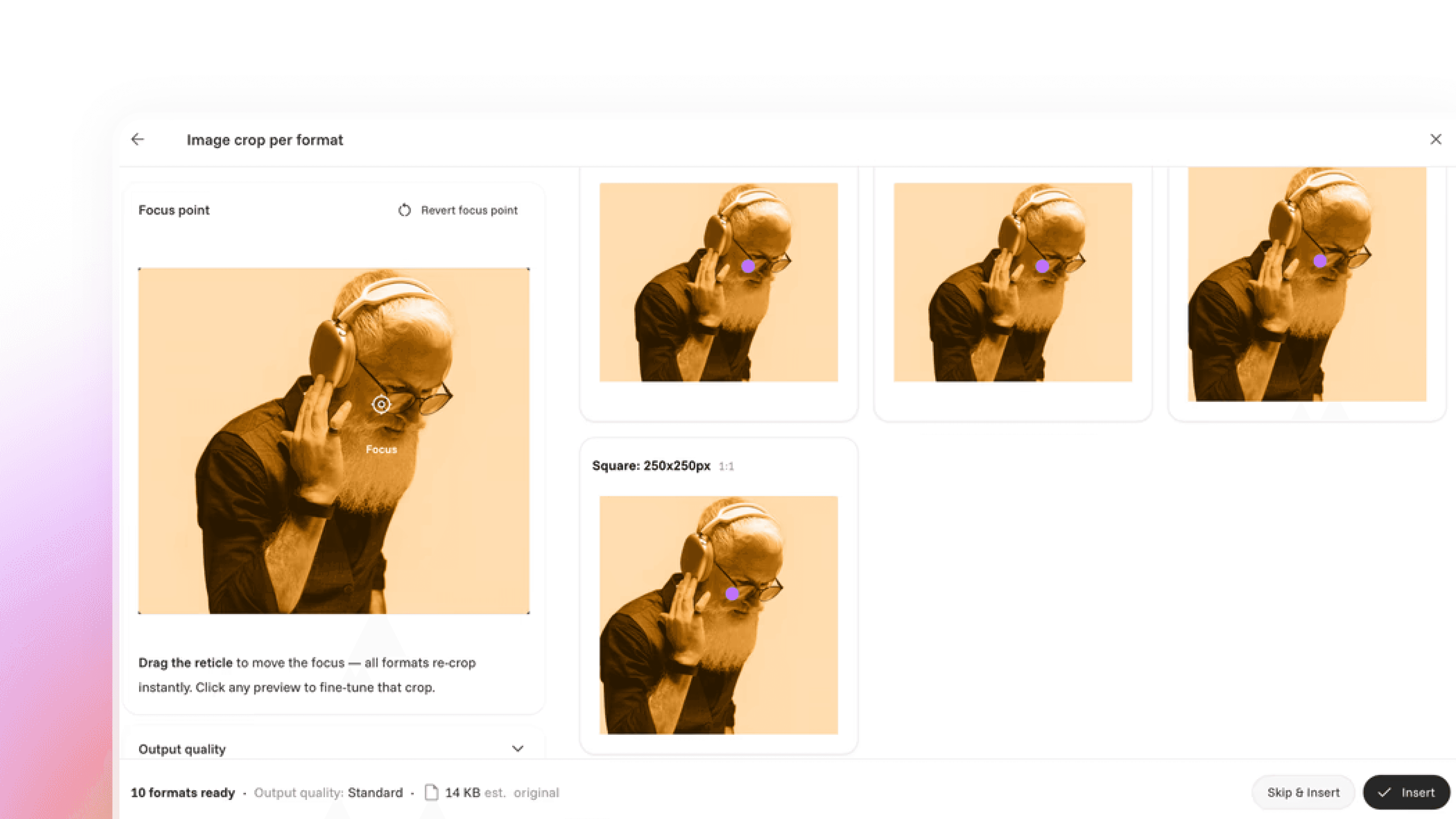
  • Use um modelo para gerar milhares de variantes
    Adapte facilmente o criativo para corresponder a interesses do público, idiomas, mercados ou promoções. Sem necessidade de esforço manual.

  • Aproveite dados de primeira parte e contextuais
    Conecte seus próprios dados (como preferências de clientes ou feeds de produtos) e sinais externos (como clima ou hora do dia) para criar anúncios que sejam oportunos, relevantes e localizados.

  • Automatize atualizações criativas
    Ajuste pontos de preço, mensagens, visuais ou traduções em tempo real, depois publique ou pause automaticamente campanhas com base em gatilhos como inventário ou desempenho.

  • Esvazie a dependência de cookies
    A abordagem da Cape foca em automação inteligente e relevância contextual - assim você pode alcançar personalização em escala, sem violar os padrões de privacidade.


Então, você deve se afastar do DCO?


Se o seu objetivo é oferecer experiências de anúncios envolventes e personalizadas que sejam econômicas, rápidas para chegar ao mercado e preparadas para o futuro: sim. Ao focar nos 90% do sucesso da campanha que residem em configuração inteligente, agilidade criativa e automação, você obterá mais valor, melhor desempenho e eficiência muito maior do que o DCO tradicional pode oferecer sozinho.


Pronto para personalizar sem o DCO?
Descubra como a Cape ajuda marcas líderes a escalarem campanhas relevantes, hiperlocais e orientadas por dados - sem cookies ou complexidade.

Notícias

Fique à frente da curva

Curioso sobre as novidades em marketing e publicidade? Assine nossa newsletter mensal Promarketers.

18 de mar. de 2026

No more chocolate at breakfast? Navigating the new LHF ad rules this Easter

As ad compliance requirements evolve in 2026, UK confectionery brands face new restrictions on less healthy food (LHF) advertising. With the January 5 watershed now in effect, ad quality assurance systems must validate timing, placement, and product identifiability to avoid clearance failures this Easter season.

16 de mar. de 2026

The future of inclusion: How Cape.io powered Virgin Media Television’s fully accessible ad break during the Men’s Six Nations

As Channel 4’s closed-captioning mandate came into effect in March 2026, Cape.io partnered with Virgin Media Television, Omnicom Media Group and VoiceBox to deliver a truly accessible ad break during the Guinness Men’s Six Nations. More than ad compliance, this moment proved that accessibility can operate at the highest level of live sports broadcasting.

27 de fev. de 2026

Navigating Channel 4’s 2026 closed caption mandate

As ad compliance requirements tighten across the UK and Europe, closed captioning has evolved from an accessibility checkbox to a strategic necessity. Whether you're managing CTV campaigns or social media creative, automated ad testing for caption quality is no longer optional - it's fundamental to reaching today's fragmented, multi-screen audiences.

The advertising landscape is facing a seismic shift. By March 1, Channel 4 will become the first UK broadcaster to mandate closed captions across all advertising - including linear TV, streaming, and sponsorships.

The mandate is  a redefined standard for global inclusivity. Here is everything you need to know about the new mandate and how to stay ahead of the curve.

26 de fev. de 2026

One platform, many realities: How creative automation platforms resolve the global vs. local tension

Scaling global marketing without losing local relevance requires more than brand guidelines and templates - it requires a creative automation platform designed for both global control and local flexibility. Most systems optimize for standardization, but scaling ad creative production across markets demands architecture that enables creative variation and adaptation by local experts without fragmenting brand governance.

Many global advertisers are chasing the same ideal: scale without losing relevance.

Consistency without uniformity.
Efficiency without bureaucracy.

It sounds simple. In practice, it’s one of the hardest tensions to resolve in modern marketing.

The global vs. local challenge isn’t new, but it’s becoming more urgent. As brands expand across markets, channels, and cultures, the question is no longer whether you should scale globally, but how you do so without erasing the nuance that makes marketing effective in the first place.

Everyone is looking for this balance. Very few get it right.

11 de fev. de 2026

EPTVI Initiative launches Stage Two to help programmatic TV scale across Europe’s largest advertising markets

Broadcasters, streamers, agencies and ad tech companies including Google Ad Manager, Equativ, Adform, LiveRamp, The Trade Desk, FreeWheel and Cape.io begin work on practical solutions to reduce complexity and speed up adoption.

4 de fev. de 2026

The guardrails of growth: Why creative intelligence demands compliance

Generative AI can produce thousands of creative variants, but most compliance systems are still manual, fragmented, and reactive, unable to keep pace with today’s velocity. To move fast without breaking things, the industry needs a new approach: real-time verification, programmatic enforcement, and end-to-end visibility. Embedded inside the stack, not bolted on at the end.

Notícias

Fique à frente da curva

Curioso sobre as novidades em marketing e publicidade? Assine nossa newsletter mensal Promarketers.

18 de mar. de 2026

No more chocolate at breakfast? Navigating the new LHF ad rules this Easter

As ad compliance requirements evolve in 2026, UK confectionery brands face new restrictions on less healthy food (LHF) advertising. With the January 5 watershed now in effect, ad quality assurance systems must validate timing, placement, and product identifiability to avoid clearance failures this Easter season.

16 de mar. de 2026

The future of inclusion: How Cape.io powered Virgin Media Television’s fully accessible ad break during the Men’s Six Nations

As Channel 4’s closed-captioning mandate came into effect in March 2026, Cape.io partnered with Virgin Media Television, Omnicom Media Group and VoiceBox to deliver a truly accessible ad break during the Guinness Men’s Six Nations. More than ad compliance, this moment proved that accessibility can operate at the highest level of live sports broadcasting.

27 de fev. de 2026

Navigating Channel 4’s 2026 closed caption mandate

As ad compliance requirements tighten across the UK and Europe, closed captioning has evolved from an accessibility checkbox to a strategic necessity. Whether you're managing CTV campaigns or social media creative, automated ad testing for caption quality is no longer optional - it's fundamental to reaching today's fragmented, multi-screen audiences.

The advertising landscape is facing a seismic shift. By March 1, Channel 4 will become the first UK broadcaster to mandate closed captions across all advertising - including linear TV, streaming, and sponsorships.

The mandate is  a redefined standard for global inclusivity. Here is everything you need to know about the new mandate and how to stay ahead of the curve.

26 de fev. de 2026

One platform, many realities: How creative automation platforms resolve the global vs. local tension

Scaling global marketing without losing local relevance requires more than brand guidelines and templates - it requires a creative automation platform designed for both global control and local flexibility. Most systems optimize for standardization, but scaling ad creative production across markets demands architecture that enables creative variation and adaptation by local experts without fragmenting brand governance.

Many global advertisers are chasing the same ideal: scale without losing relevance.

Consistency without uniformity.
Efficiency without bureaucracy.

It sounds simple. In practice, it’s one of the hardest tensions to resolve in modern marketing.

The global vs. local challenge isn’t new, but it’s becoming more urgent. As brands expand across markets, channels, and cultures, the question is no longer whether you should scale globally, but how you do so without erasing the nuance that makes marketing effective in the first place.

Everyone is looking for this balance. Very few get it right.

11 de fev. de 2026

EPTVI Initiative launches Stage Two to help programmatic TV scale across Europe’s largest advertising markets

Broadcasters, streamers, agencies and ad tech companies including Google Ad Manager, Equativ, Adform, LiveRamp, The Trade Desk, FreeWheel and Cape.io begin work on practical solutions to reduce complexity and speed up adoption.

4 de fev. de 2026

The guardrails of growth: Why creative intelligence demands compliance

Generative AI can produce thousands of creative variants, but most compliance systems are still manual, fragmented, and reactive, unable to keep pace with today’s velocity. To move fast without breaking things, the industry needs a new approach: real-time verification, programmatic enforcement, and end-to-end visibility. Embedded inside the stack, not bolted on at the end.

Notícias

Fique à frente da curva

Curioso sobre as novidades em marketing e publicidade? Assine nossa newsletter mensal Promarketers.

18 de mar. de 2026

No more chocolate at breakfast? Navigating the new LHF ad rules this Easter

As ad compliance requirements evolve in 2026, UK confectionery brands face new restrictions on less healthy food (LHF) advertising. With the January 5 watershed now in effect, ad quality assurance systems must validate timing, placement, and product identifiability to avoid clearance failures this Easter season.

16 de mar. de 2026

The future of inclusion: How Cape.io powered Virgin Media Television’s fully accessible ad break during the Men’s Six Nations

As Channel 4’s closed-captioning mandate came into effect in March 2026, Cape.io partnered with Virgin Media Television, Omnicom Media Group and VoiceBox to deliver a truly accessible ad break during the Guinness Men’s Six Nations. More than ad compliance, this moment proved that accessibility can operate at the highest level of live sports broadcasting.

27 de fev. de 2026

Navigating Channel 4’s 2026 closed caption mandate

As ad compliance requirements tighten across the UK and Europe, closed captioning has evolved from an accessibility checkbox to a strategic necessity. Whether you're managing CTV campaigns or social media creative, automated ad testing for caption quality is no longer optional - it's fundamental to reaching today's fragmented, multi-screen audiences.

The advertising landscape is facing a seismic shift. By March 1, Channel 4 will become the first UK broadcaster to mandate closed captions across all advertising - including linear TV, streaming, and sponsorships.

The mandate is  a redefined standard for global inclusivity. Here is everything you need to know about the new mandate and how to stay ahead of the curve.

26 de fev. de 2026

One platform, many realities: How creative automation platforms resolve the global vs. local tension

Scaling global marketing without losing local relevance requires more than brand guidelines and templates - it requires a creative automation platform designed for both global control and local flexibility. Most systems optimize for standardization, but scaling ad creative production across markets demands architecture that enables creative variation and adaptation by local experts without fragmenting brand governance.

Many global advertisers are chasing the same ideal: scale without losing relevance.

Consistency without uniformity.
Efficiency without bureaucracy.

It sounds simple. In practice, it’s one of the hardest tensions to resolve in modern marketing.

The global vs. local challenge isn’t new, but it’s becoming more urgent. As brands expand across markets, channels, and cultures, the question is no longer whether you should scale globally, but how you do so without erasing the nuance that makes marketing effective in the first place.

Everyone is looking for this balance. Very few get it right.

11 de fev. de 2026

EPTVI Initiative launches Stage Two to help programmatic TV scale across Europe’s largest advertising markets

Broadcasters, streamers, agencies and ad tech companies including Google Ad Manager, Equativ, Adform, LiveRamp, The Trade Desk, FreeWheel and Cape.io begin work on practical solutions to reduce complexity and speed up adoption.

4 de fev. de 2026

The guardrails of growth: Why creative intelligence demands compliance

Generative AI can produce thousands of creative variants, but most compliance systems are still manual, fragmented, and reactive, unable to keep pace with today’s velocity. To move fast without breaking things, the industry needs a new approach: real-time verification, programmatic enforcement, and end-to-end visibility. Embedded inside the stack, not bolted on at the end.

Entre em contato

Vamos mostrar o que a Cape.io pode fazer.

Automação de Campanhas Inteligentes

Cape.io conecta sua equipe, DAM, servidores de anúncios, DSPs, ferramentas e mais, para que você não precise arrancar e substituir.

© 2025 Cape.io. Todos os direitos reservados

Portuguese

Entre em contato

Vamos mostrar o que a Cape.io pode fazer.

Automação de Campanhas Inteligentes

Cape.io conecta sua equipe, DAM, servidores de anúncios, DSPs, ferramentas e mais, para que você não precise arrancar e substituir.

© 2025 Cape.io. Todos os direitos reservados

Portuguese

Entre em contato

Vamos mostrar o que a Cape.io pode fazer.

Automação de Campanhas Inteligentes

Cape.io conecta sua equipe, DAM, servidores de anúncios, DSPs, ferramentas e mais, para que você não precise arrancar e substituir.

© 2025 Cape.io. Todos os direitos reservados

Portuguese