Sie haben kein KI-Problem. Sie haben ein Vertrauensproblem.
Jedem Marketer wird Intelligence verkauft. Aber Intelligence ohne Accountability ist nur Lärm im großen Stil. Hier ist die Frage, worum es wirklich geht.

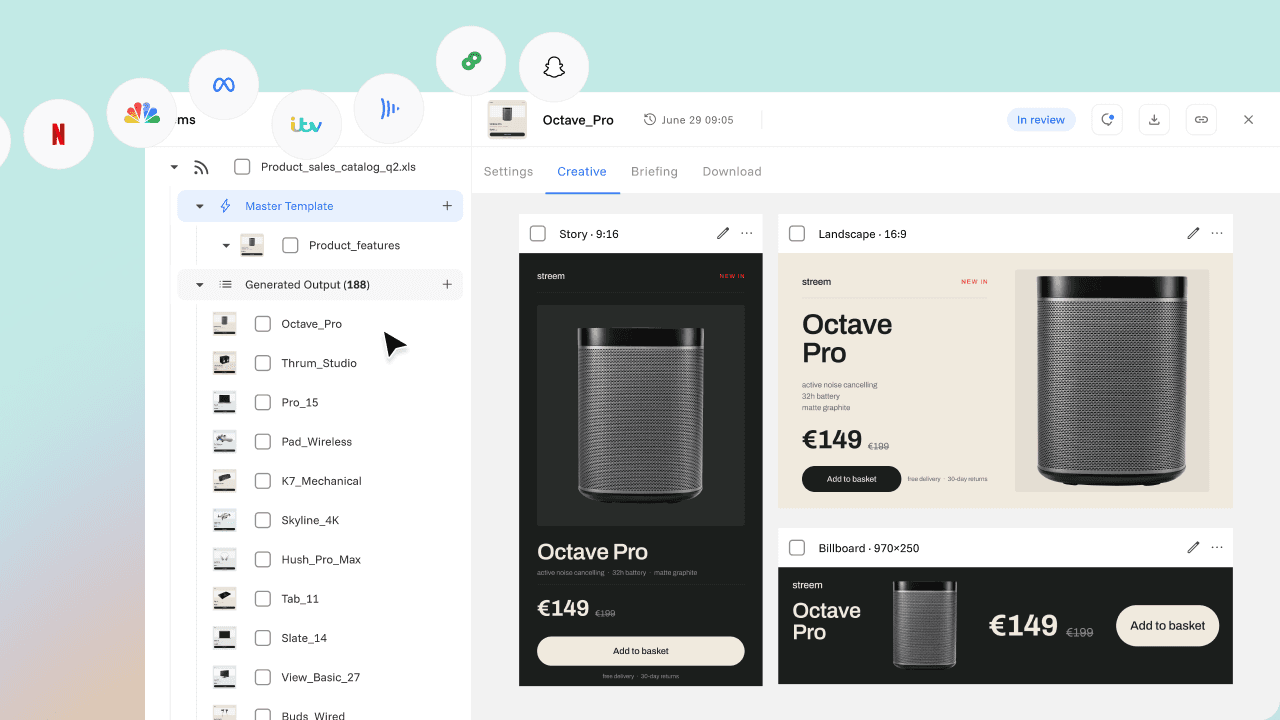
Ihr Posteingang ist seit zwei Jahren voll davon. KI-gestützt hier. Intelligente Automatisierung da. Jede Plattform verspricht, für Sie zu denken, für Sie zu skalieren, für Sie zu entscheiden. Und doch sitzen Sie hier und prüfen vor einem Launch um 23 Uhr immer noch manuell Feeds, führen drei Wochen nach Ende der Kampagne immer noch das Post-Mortem durch und fragen sich immer noch, warum die Version, die live ging, nicht die Version war, die freigegeben wurde. Die Tools wurden schlauer. Die Angst ging nicht weg. Das ist kein Zufall. Es ist ein Signal.
Kann man Automatisierung tatsächlich vertrauen?
Die Frage, die sich jeder CMO, Creative Director und Performance Lead insgeheim stellt, lautet nicht „Wie automatisiere ich mehr?“, sondern: „Kann man einer automatisierten Kampagnenausführung tatsächlich vertrauen, dass sie im großen Stil läuft, ohne abzustürzen?“
Die ehrliche Antwort auf dem gesamten Markt lautet derzeit: Nein. Feeds fallen mitten im Lauf aus, Compliance-Lücken tun sich nach den Ausgaben auf, und Systeme können nicht aus dem lernen, was gerade passiert ist. Das ist das Vertrauensproblem der Branche – und genau das Problem, für dessen Lösung wir gebaut wurden. Wir haben Vertrauen zum Produkt gemacht, nicht zu einem Feature. Es ist die absolute Voraussetzung für Intelligent Campaign Automation.
Die tatsächlichen Kosten, wenn etwas schiefgeht
Denken Sie an das, was tatsächlich kaputt geht. Es ist selten der große, sichtbare Fehler. Es ist der Feed, der an einem Hauptverkaufstag unbemerkt für sechs Stunden leer bleibt. Es ist das Creative, das in einem Markt läuft, für den es nie freigegeben wurde. Es ist die Version des Assets, die zu 98 % korrekt war, und diese 2 % kosten Sie die Kundenbeziehung.
Der Budgetverlust ist real. Der Markenschaden ist real. Aber die tiefer liegenden Kosten betreffen die Menschen, die die Arbeit machen. Wenn Sie Ihren Systemen nicht vertrauen können, kompensieren Sie das durch menschliche Wachsamkeit. Sie fügen Checkliste um Checkliste hinzu. Sie verdoppeln den Aufwand. Sie stellen Leute ein, um Angst zu managen, anstatt kreativ zu denken.
Die versteckte Steuer
Die tatsächlichen Kosten von Non-Compliance sind nicht nur die Geldstrafe oder die Rückrufaktion. Es ist die Kultur, die sich um die Angst davor entwickelt – die Ebenen der manuellen Überprüfung, die Lähmung bei Freigaben, die kreative Risikoaversion, die die Arbeit langsam aushöhlt. Das ist die Steuer, die die meisten Unternehmen zahlen, ohne sie jemals auf einem Posten zu sehen.
Was Intelligenz tatsächlich erfordert
Eine Sache, wenn man behauptet, intelligent zu sein: Man muss es sich verdienen. Und man verdient es sich an vier Fronten:
01: Es führt Kampagnen effizienter aus
Geschwindigkeit und Skalierbarkeit freisetzen, die echte Kapazitäten für Ihr Team schaffen, und nicht eine Automatisierung, die nur eine neue Kategorie von Qualitätssicherung (QA)-Arbeit schafft.
02: Es fängt Compliance-Probleme ab, bevor sie auf Sendung gehen
Pre-Testing, Feed-Integrität und Brand Governance direkt in den Workflow einbetten, anstatt sich auf Dashboards zu verlassen, die Ihnen erst nach Ausgabe des Budgets sagen, was schiefgelaufen ist.
03: Es schließt die Feedbackschleife
Sofortige Signale liefern, keine Post-Mortems. Kampagnen-Intelligenz, die im Moment reagiert.
04: Es verknüpft Entscheidungen mit Ihrer eigenen Historie
Optimierung, die auf Ihren Mustern, Ihrer Zielgruppe und Ihrer Performance-Geschichte aufbaut, sodass jede Kampagne schärfer wird, je länger Sie das System nutzen.
Die meisten Plattformen liefern ein oder zwei dieser Punkte. Sie nennen es Intelligenz. Das ist es nicht. Intelligenz ist, wenn alle vier zusammenarbeiten und das Ganze in einer Kultur des Vertrauens eingebettet ist, die die Menschen dazu bringt, es nutzen zu wollen, anstatt es zu umgehen.
Warum unsere Intelligenz real ist und nicht theoretisch
Warum können wir das realisieren, was andere nicht können? Unser Erbe aus dem TV-Rundfunk (linear + IPTV). Wir haben seit fast drei Jahrzehnten Compliance-Fehler, strenge Vorschriften und fehlerhafte Feeds im globalen Maßstab erlebt. Wir wissen genau, was eine leere Kampagne für eine Marke und ein Budget bedeutet. Diese Geschichte ist unser struktureller Schutzwall. Sie macht unsere Intelligenz real, praxiserprobt und für Unternehmen einsatzbereit.
Die Person, für die Sie bauen, hat sich verändert
Es entsteht eine Rolle, die noch keine klare Berufsbezeichnung hat. Sie sind der Creative Director, der einen Performance-Bericht lesen kann, ohne dass er übersetzt werden muss. Der Mediaplaner, der eine Meinung zu Texten hat. Der Performance-Lead, dem die Qualität des Creatives, das er optimiert, wirklich am Herzen liegt.
Nennen Sie sie Creative Engineer. Creative Scientist. Wie auch immer der Titel am Ende lauten mag, sie sind bereits in Ihrem Unternehmen und sie sind frustriert. Sie sind frustriert, weil die Tools, die sie verwenden, für Spezialisten in getrennten Bereichen entwickelt wurden. Die Kreativplattform spricht nicht mit der Aktivierungsebene. Die Compliance-Prüfung erfolgt erst nach der Erstellung. Die Performance-Daten liegen irgendwo, wo das Kreativteam nie hinschaut. Die Konvergenz ist real. Die Infrastruktur dafür ist es meist noch nicht.
Zwei Ideen, die man ernst nehmen sollte
Es gibt zwei Konzepte, auf die die Branche hinarbeiten sollte. Keines von beiden existiert bisher richtig, aber beide weisen auf etwas Wichtiges hin.
Eine Zahl, die tatsächlich etwas bedeutet: CAPE.IO SCORE™
Stellen Sie sich eine Kennzahl im NPS-Stil für Kampagnen-Intelligenz vor – ein einziger Wert, der Compliance-Status, Brand Safety, Performance-Bereitschaft, Feed-Integrität und Optimierungsreife erfasst. Kein Ampel-Dashboard. Eine Zahl, die sich im Laufe der Zeit aufbaut, um die sich Ihr Team versammeln kann und die ein Kunde auf einen Blick versteht. Die engste Analogie im Marketing ist der Brand Health Tracker, nur dass sich dieser in nahezu Echtzeit aktualisiert und Ihnen sagt, was zu tun ist, und nicht nur, wie es Ihnen geht.
Die selbst-verstärkende Kampagnen-Intelligenzschleife
Erstellen & validieren ➔ Aktivieren über Zielkanäle hinweg ➔ Performance-Signale erfassen ➔ Das Modell schärfen.
Die Plattformen, die in fünf Jahren gewinnen werden, sind nicht die mit dem klügsten Algorithmus. Es sind diejenigen, bei denen jede Kampagne die nächste Kampagne besser macht. Wo Ihre historischen Daten ein Asset sind und kein Friedhof von PDFs in einem gemeinsamen Laufwerk. Wo das Hinzufügen eines neuen Zielkanals oder einer neuen Integration nicht bedeutet, bei Null anzufangen, sondern eine neue Ebene der kanalübergreifenden Optimierung freizuschalten, die auf allem aufbaut, was Sie bereits aufgebaut haben. Das ist kein Feature. Das ist ein völlig anderes Geschäftsmodell für Intelligenz.
Die Nahtstelle zwischen Kreation und Optimierung
Die Kategorie, auf die es ankommt, ist nicht nur Kreativ-Automatisierung und es ist nicht nur Media-Optimierung. Wir sitzen genau an der Nahtstelle dazwischen – und genau das ist der Punkt. Risikominderung und intelligente kreative Entscheidungsfindung sind zwei Seiten derselben Medaille. Das ist kein Positionierungsproblem, das ist unser Hebel.
Risikominimierung und kreative Qualität sind keine Gegensätze. Ein konformes, markensicheres, vorab getestetes Creative ist nicht die verwässerte Version. Es ist die selbstbewusste Version. Diejenige, die läuft, ohne dass jemand um Mitternacht sein Handy kontrolliert. Diejenige, die ein Kunde absegnet, weil der Entstehungsprozess ihm Grund gibt, darauf zu vertrauen.
Das ist der Wandel. Von der Automatisierung als Produktionswerkzeug hin zu Intelligenz als Wettbewerbsvorteil. Der Unterschied liegt nicht in der Technologie. Es ist die Vertrauensinfrastruktur darunter und die Frage, ob die von Ihnen genutzte Plattform das Recht erworben hat, sich selbst als intelligent zu bezeichnen.
Die Frage ist nicht, ob Sie Kampagnen-Intelligenz nutzen sollten. Sondern ob Ihre Ihr Vertrauen verdient hat.

Kategorie