No tienes un problema de IA. Tienes un problema de confianza.
A todos los profesionales de marketing se les vende inteligencia. Pero la inteligencia sin rendición de cuentas es solo ruido a gran escala. He aquí cuál es la verdadera pregunta.

Su bandeja de entrada lleva dos años repleta de esto. Inteligencia artificial por aquí. Automatización inteligente por allá. Cada plataforma prometiendo pensar por usted, escalar por usted, decidir por usted. Y sin embargo, aquí sigue usted, verificando feeds manualmente a las 11 de la noche antes de un lanzamiento, realizando el informe post-mortem tres semanas después de finalizar la campaña, y preguntándose por qué la versión que se publicó no fue la versión aprobada. Las herramientas se volvieron más inteligentes. La ansiedad no desapareció. Eso no es una coincidencia. Es una señal.
¿Se puede confiar realmente en la automatización?
La pregunta que todo CMO, director creativo y responsable de rendimiento se hace en silencio no es "¿cómo automatizo más?" Es: "¿Se puede confiar realmente en la ejecución automatizada de campañas para que funcione a escala sin fallar?"
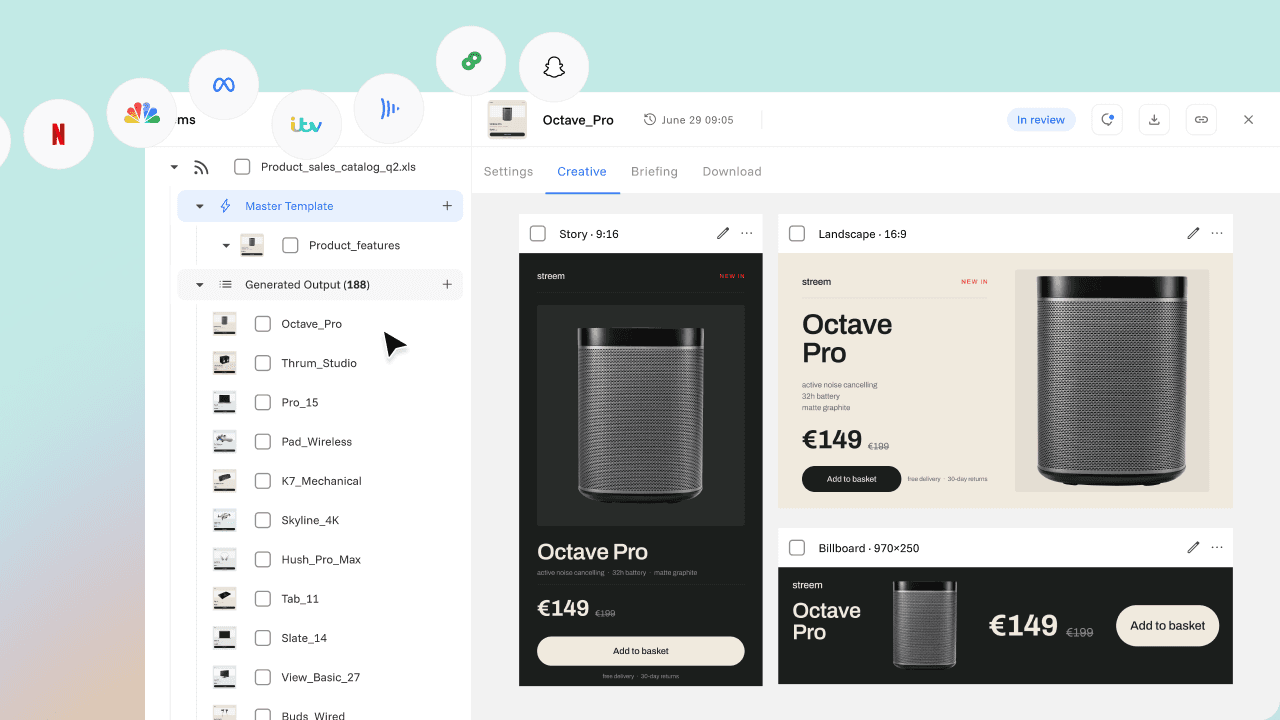
En este momento, la respuesta honesta en todo el mercado es que no. Los feeds se caen a mitad de la campaña, surgen brechas de cumplimiento después de realizar el gasto y los sistemas no pueden aprender de lo que acaba de suceder. Ese es el problema de confianza de la categoría, y es el problema exacto que estamos diseñados para resolver. Hemos hecho de la confianza el producto, no una funcionalidad. Es la condición previa absoluta para la Automatización Inteligente de Campañas.
El costo real de hacerlo mal
Piense en lo que realmente falla. Rara vez es el gran fracaso visible. Es el feed que silenciosamente se queda vacío durante seis horas en un día de máxima actividad comercial. Es el elemento creativo que se ejecuta en un mercado para el cual nunca fue autorizado. Es la versión del activo que estaba un 98 % correcta, y ese 2 % restante le cuesta la relación con el cliente.
El impacto presupuestario es real. El daño a la marca es real. Pero el costo más profundo es el efecto en las personas que realizan el trabajo. Cuando no puede confiar en sus sistemas, lo compensa con la vigilancia humana. Añade lista de verificación tras lista de verificación. Duplica esfuerzos. Contrata para la gestión de la ansiedad en lugar de para el pensamiento creativo.
El impuesto oculto
El costo real de la falta de cumplimiento no es solo la multa o la retirada de la campaña. Es la cultura que se desarrolla en torno al miedo a ello: las capas de revisión manual, la parálisis de aprobación, la aversión al riesgo creativo que poco a poco vacía el trabajo. Ese es el impuesto que la mayoría de las organizaciones pagan sin llegar a verlo nunca en una partida presupuestaria.
Lo que la inteligencia requiere realmente
Esto es lo que ocurre al afirmar que se es inteligente: hay que ganárselo. Y se gana en cuatro frentes:
01: Ejecuta campañas de manera más eficiente
Liberando velocidad y escala que crean una capacidad genuina para su equipo, no una automatización que solo genera una nueva categoría de trabajo de Aseguramiento de calidad.
02: Detecta problemas de cumplimiento antes de que se emitan
Integrando las pruebas previas, la integridad de los feeds y la gobernanza de marca directamente en el flujo de trabajo, en lugar de depender de paneles que le indican qué salió mal después de haber gastado el presupuesto.
03: Cierra el ciclo de retroalimentación
Entregando señales instantáneas, no informes post-mortem. Inteligencia de campaña que responde en el momento.
04: Consolida decisiones basadas en su propio historial
Optimización construida sobre sus patrones, su audiencia y su historial de rendimiento, para que cada campaña sea más precisa cuanto más tiempo use el sistema.
La mayoría de las plataformas ofrecen una o dos de estas ventajas. Lo llaman inteligencia. No lo es. La inteligencia es lo que sucede cuando las cuatro funcionan juntas y cuando todo el conjunto se asienta dentro de una cultura de confianza que hace que la gente quiera usarlo en lugar de buscar alternativas.
Por qué nuestra inteligencia es real y no teórica
¿Por qué podemos hacer que esto sea real cuando otros no pueden? Nuestra herencia en transmisiones televisivas (lineal + IPTV). Hemos vivido fallos de cumplimiento, regulaciones estrictas y feeds caídos a escala global durante casi tres décadas. Sabemos exactamente lo que una campaña vacía le hace a una marca y a un presupuesto. Ese historial es nuestro foso estructural. Es lo que hace que nuestra inteligencia sea real, probada en batalla y diseñada para empresas.
La persona para la que diseña ha cambiado
Está surgiendo un rol que aún no tiene un cargo claro. Son el director creativo que puede leer un informe de rendimiento sin necesidad de traducción. El planificador de medios que tiene opiniones sobre el texto publicitario. El responsable de rendimiento que se preocupa genuinamente por la calidad del contenido creativo que está optimizando.
Llámelos ingenieros creativos o científicos creativos. Cualquiera que termine siendo el título, ya están en su organización y se sienten frustrados. Están frustrados porque las herramientas que utilizan fueron creadas para especialistas en canales separados. La plataforma creativa no se comunica con la capa de activación. La Verificación de cumplimiento ocurre después de la creación. Los datos de rendimiento residen en algún lugar donde el equipo creativo nunca mira. La convergencia es real. Pero, en su mayor parte, la infraestructura para ello aún no existe.
Dos ideas que vale la pena tomar en serio
Hay dos conceptos hacia los que la industria debería estar construyendo. Ninguno existe adecuadamente todavía, pero ambos apuntan a algo importante.
Un número que realmente significa algo: CAPE.IO SCORE™
Imagine una medida al estilo NPS para la inteligencia de campañas: una puntuación única que capture el estado de cumplimiento, la seguridad de marca, la preparación para el rendimiento, la integridad de los feeds y la madurez de la optimización. No un panel con luces de semáforo. Un número que se consolida con el tiempo, en torno al cual su equipo puede alinearse y que un cliente puede entender de un solo vistazo. La analogía más cercana en marketing es el rastreador de salud de marca, excepto que este se actualizaría casi en tiempo real y le diría qué hacer, no solo cómo le va.
El ciclo de inteligencia de campaña autoconsolidable
Crear y validar ➔ Activar en todos los destinos ➔ Capturar señales de rendimiento ➔ Perfeccionar el modelo.
Las plataformas que ganarán en cinco años no son las que tienen el algoritmo más inteligente. Son aquellas donde cada campaña mejora la siguiente. Donde sus datos históricos son un activo, no un cementerio de archivos PDF en una unidad compartida. Donde agregar un nuevo destino o integración no significa empezar de cero, sino desbloquear una nueva capa de optimización multicanal que se consolida sobre todo lo que ya ha construido. Eso no es una funcionalidad. Es un modelo de negocio de inteligencia completamente diferente.
La unión entre creación y optimización
La categoría que importa no es solo la Automatización creativa, y no es solo la optimización de medios. Nos situamos justo en la unión entre ambas, y ese es precisamente el punto. La mitigación de riesgos y la toma de decisiones creativas inteligentes son dos caras de la misma moneda. Eso no es un problema de posicionamiento; es nuestra cuña.
La mitigación de riesgos y la calidad creativa no son opuestos. Una pieza creativa que cumple con las normas, es segura para la marca y ha sido probada previamente no es la versión descafeinada. Es la versión que transmite confianza. La que se ejecuta sin que nadie tenga que revisar su teléfono a medianoche. Aquella que un cliente aprueba porque el proceso que la produjo le da motivos para confiar en ella.
Ese es el cambio. De la automatización como herramienta de producción a la inteligencia como ventaja competitiva. La diferencia no es la tecnología. Es la infraestructura de confianza que hay debajo y si la plataforma que está utilizando se ha ganado el derecho a llamarse inteligente.
La pregunta no es si utilizar inteligencia de campaña. Es si la suya se ha ganado su confianza.

Categoría