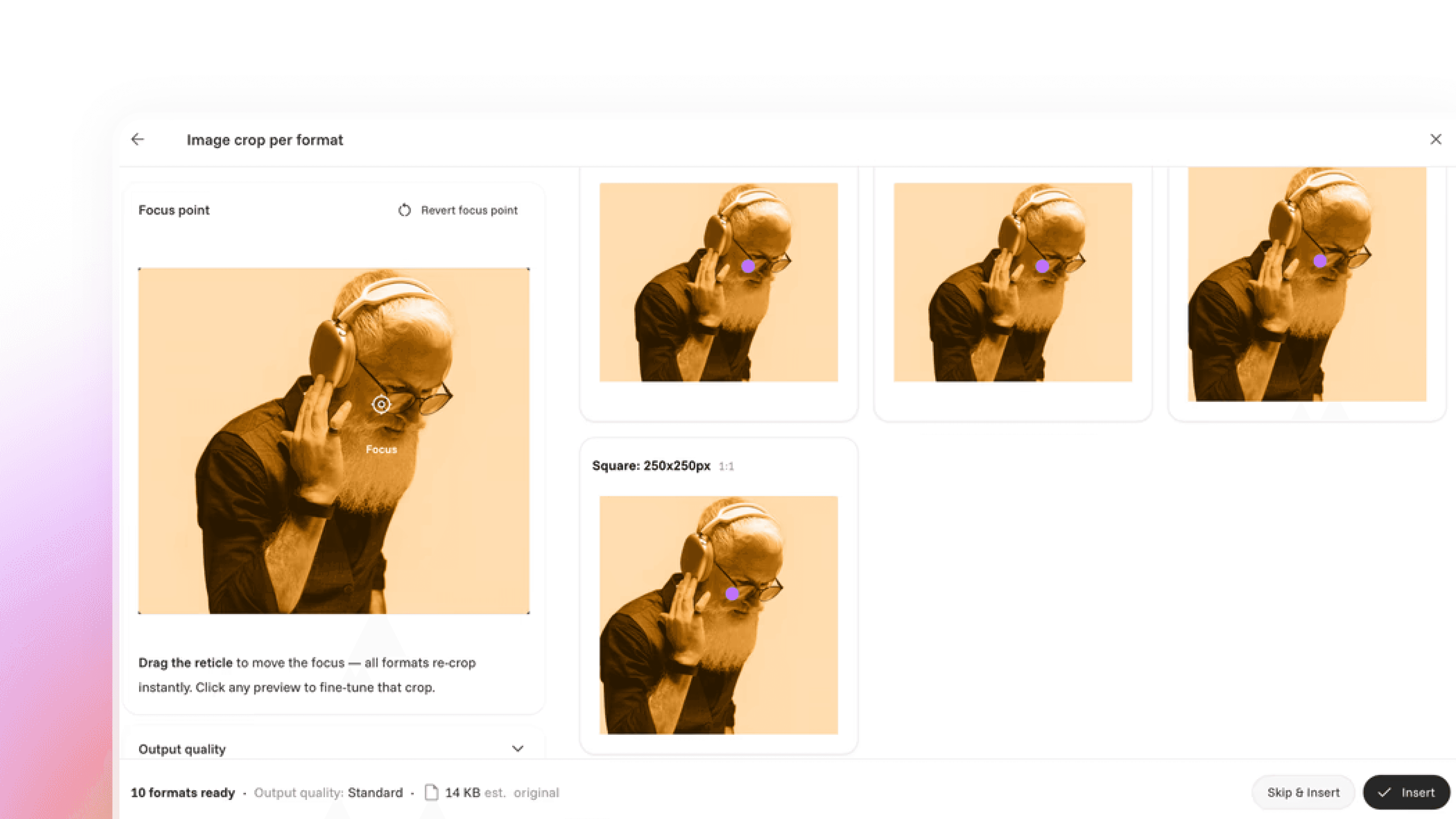
Il DCO è in declino: vale ancora la pena implementarlo?

Esiste un approccio più intelligente alla personalizzazione in un mondo che mette al primo posto la privacy

Author

Author

È ora di andare oltre DCO? Un approccio più intelligente alla personalizzazione in un mondo che dà priorità alla privacy

La pubblicità Digitale continua ad evolversi, e rapidamente. Una tecnica che è stata a lungo acclamata per offrire esperienze personalizzate è l'Ottimizzazione Creatività Dinamica (DCO). Promette annunci su misura su larga scala, utilizzando i dati per adattare gli elementi creativi per utenti individuali in tempo reale.

Ma ecco il problema: nel panorama attuale orientato alla privacy, lanciare campagne DCO su larga scala è diventato sempre più complesso e, per molti brand, meno impattante.

Quindi la domanda diventa: Vale ancora la pena investire nel DCO?

Cos'è il DCO?

Ottimizzazione Creatività Dinamica è un metodo che costruisce più varianti di un annuncio da una singola base creativa. Personalizza elementi come testo, immagini o call to action basandosi su input di dati quali:

  • Comportamento di navigazione dell'utente

  • Tipo di dispositivo e posizione

  • Flussi di dati esterni (ad es., meteo, ora del giorno, disponibilità dei prodotti)

Il risultato è un'esperienza pubblicitaria su misura intesa a incrementare rilevanza e coinvolgimento.

Perché gli inserzionisti stanno ripensando al DCO

Nonostante la sua promessa, il DCO è costoso e complesso da gestire, specialmente su larga scala. E con il declino dei cookie di terze parti e la crescente pressione normativa, implementare campagne veramente personalizzate e guidate dai dati attraverso i mercati è più impegnativo che mai. Ancora più indicativo? Le ricerche mostrano che il DCO rappresenta solo circa il 10% dell'efficacia totale delle Pubblicità. Questo è molto sforzo per una piccola fetta di impatto.

L'approccio migliore: automazione delle campagne basata sui feed e orientata alla privacy

In Cape.io, crediamo ci sia un modo più intelligente e scalabile per personalizzare la tua pubblicità senza dover dipendere da cookie o tecnologie costose. Cape.io permette agli inserzionisti di costruire configurazioni di campagne completamente guidate dai dati utilizzando flussi in tempo reale, segnali contestuali e una creatività master.

Ecco come funziona:

  • Usa un modello per generare migliaia di varianti
    Adatta facilmente la creatività per corrispondere agli interessi del pubblico, alle lingue, ai mercati o alle promozioni. Nessun lavoro manuale richiesto.

  • Sfrutta dati di prima parte e contestuali
    Collega i tuoi dati (come le preferenze dei clienti o i feed di prodotto) e segnali esterni (come meteo o ora del giorno) per creare annunci tempestivi, pertinenti e localizzati.

  • Automatizza gli aggiornamenti creativi
    Aggiusta i prezzi, i messaggi, i visual o le traduzioni in tempo reale, poi pubblica o interrompi automaticamente le campagne in base a trigger come inventario o performance.

  • Evita la dipendenza dai cookie
    L'approccio di Cape.io si focalizza su automazione intelligente e rilevanza contestuale, in modo da poter raggiungere la personalizzazione su larga scala, senza violare gli standard di privacy.

Quindi, dovresti abbandonare il DCO?

Se il tuo obiettivo è offrire esperienze pubblicitarie coinvolgenti e personalizzate che siano convenienti, rapide da portare sul mercato e a prova di futuro, la risposta è sì. Concentrandoti sul 90% del successo della campagna che risiede nella configurazione intelligente, nell'agilità creativa e nell'automazione, otterrai più valore, migliori performance e una maggiore efficienza rispetto al solo DCO tradizionale.

Pronto a personalizzare senza l'onere del DCO?
Scopri come Cape.io aiuta i marchi leader a scalare campagne rilevanti, iperlocali e guidate dai dati - senza cookie o complessità.

Notizie

Anticipa le tendenze

Sei curioso di scoprire le ultime novità nel marketing e nella pubblicità? Iscriviti alla nostra newsletter mensile Promarketers.

18 mar 2026

No more chocolate at breakfast? Navigating the new LHF ad rules this Easter

As ad compliance requirements evolve in 2026, UK confectionery brands face new restrictions on less healthy food (LHF) advertising. With the January 5 watershed now in effect, ad quality assurance systems must validate timing, placement, and product identifiability to avoid clearance failures this Easter season.

16 mar 2026

The future of inclusion: How Cape.io powered Virgin Media Television’s fully accessible ad break during the Men’s Six Nations

As Channel 4’s closed-captioning mandate came into effect in March 2026, Cape.io partnered with Virgin Media Television, Omnicom Media Group and VoiceBox to deliver a truly accessible ad break during the Guinness Men’s Six Nations. More than ad compliance, this moment proved that accessibility can operate at the highest level of live sports broadcasting.

27 feb 2026

Navigating Channel 4’s 2026 closed caption mandate

As ad compliance requirements tighten across the UK and Europe, closed captioning has evolved from an accessibility checkbox to a strategic necessity. Whether you're managing CTV campaigns or social media creative, automated ad testing for caption quality is no longer optional - it's fundamental to reaching today's fragmented, multi-screen audiences.

The advertising landscape is facing a seismic shift. By March 1, Channel 4 will become the first UK broadcaster to mandate closed captions across all advertising - including linear TV, streaming, and sponsorships.

The mandate is  a redefined standard for global inclusivity. Here is everything you need to know about the new mandate and how to stay ahead of the curve.

26 feb 2026

One platform, many realities: How creative automation platforms resolve the global vs. local tension

Scaling global marketing without losing local relevance requires more than brand guidelines and templates - it requires a creative automation platform designed for both global control and local flexibility. Most systems optimize for standardization, but scaling ad creative production across markets demands architecture that enables creative variation and adaptation by local experts without fragmenting brand governance.

Many global advertisers are chasing the same ideal: scale without losing relevance.

Consistency without uniformity.
Efficiency without bureaucracy.

It sounds simple. In practice, it’s one of the hardest tensions to resolve in modern marketing.

The global vs. local challenge isn’t new, but it’s becoming more urgent. As brands expand across markets, channels, and cultures, the question is no longer whether you should scale globally, but how you do so without erasing the nuance that makes marketing effective in the first place.

Everyone is looking for this balance. Very few get it right.

11 feb 2026

EPTVI Initiative launches Stage Two to help programmatic TV scale across Europe’s largest advertising markets

Broadcasters, streamers, agencies and ad tech companies including Google Ad Manager, Equativ, Adform, LiveRamp, The Trade Desk, FreeWheel and Cape.io begin work on practical solutions to reduce complexity and speed up adoption.

4 feb 2026

The guardrails of growth: Why creative intelligence demands compliance

Generative AI can produce thousands of creative variants, but most compliance systems are still manual, fragmented, and reactive, unable to keep pace with today’s velocity. To move fast without breaking things, the industry needs a new approach: real-time verification, programmatic enforcement, and end-to-end visibility. Embedded inside the stack, not bolted on at the end.

Notizie

Anticipa le tendenze

Sei curioso di scoprire le ultime novità nel marketing e nella pubblicità? Iscriviti alla nostra newsletter mensile Promarketers.

18 mar 2026

No more chocolate at breakfast? Navigating the new LHF ad rules this Easter

As ad compliance requirements evolve in 2026, UK confectionery brands face new restrictions on less healthy food (LHF) advertising. With the January 5 watershed now in effect, ad quality assurance systems must validate timing, placement, and product identifiability to avoid clearance failures this Easter season.

16 mar 2026

The future of inclusion: How Cape.io powered Virgin Media Television’s fully accessible ad break during the Men’s Six Nations

As Channel 4’s closed-captioning mandate came into effect in March 2026, Cape.io partnered with Virgin Media Television, Omnicom Media Group and VoiceBox to deliver a truly accessible ad break during the Guinness Men’s Six Nations. More than ad compliance, this moment proved that accessibility can operate at the highest level of live sports broadcasting.

27 feb 2026

Navigating Channel 4’s 2026 closed caption mandate

As ad compliance requirements tighten across the UK and Europe, closed captioning has evolved from an accessibility checkbox to a strategic necessity. Whether you're managing CTV campaigns or social media creative, automated ad testing for caption quality is no longer optional - it's fundamental to reaching today's fragmented, multi-screen audiences.

The advertising landscape is facing a seismic shift. By March 1, Channel 4 will become the first UK broadcaster to mandate closed captions across all advertising - including linear TV, streaming, and sponsorships.

The mandate is  a redefined standard for global inclusivity. Here is everything you need to know about the new mandate and how to stay ahead of the curve.

26 feb 2026

One platform, many realities: How creative automation platforms resolve the global vs. local tension

Scaling global marketing without losing local relevance requires more than brand guidelines and templates - it requires a creative automation platform designed for both global control and local flexibility. Most systems optimize for standardization, but scaling ad creative production across markets demands architecture that enables creative variation and adaptation by local experts without fragmenting brand governance.

Many global advertisers are chasing the same ideal: scale without losing relevance.

Consistency without uniformity.
Efficiency without bureaucracy.

It sounds simple. In practice, it’s one of the hardest tensions to resolve in modern marketing.

The global vs. local challenge isn’t new, but it’s becoming more urgent. As brands expand across markets, channels, and cultures, the question is no longer whether you should scale globally, but how you do so without erasing the nuance that makes marketing effective in the first place.

Everyone is looking for this balance. Very few get it right.

11 feb 2026

EPTVI Initiative launches Stage Two to help programmatic TV scale across Europe’s largest advertising markets

Broadcasters, streamers, agencies and ad tech companies including Google Ad Manager, Equativ, Adform, LiveRamp, The Trade Desk, FreeWheel and Cape.io begin work on practical solutions to reduce complexity and speed up adoption.

4 feb 2026

The guardrails of growth: Why creative intelligence demands compliance

Generative AI can produce thousands of creative variants, but most compliance systems are still manual, fragmented, and reactive, unable to keep pace with today’s velocity. To move fast without breaking things, the industry needs a new approach: real-time verification, programmatic enforcement, and end-to-end visibility. Embedded inside the stack, not bolted on at the end.

Notizie

Anticipa le tendenze

Sei curioso di scoprire le ultime novità nel marketing e nella pubblicità? Iscriviti alla nostra newsletter mensile Promarketers.

18 mar 2026

No more chocolate at breakfast? Navigating the new LHF ad rules this Easter

As ad compliance requirements evolve in 2026, UK confectionery brands face new restrictions on less healthy food (LHF) advertising. With the January 5 watershed now in effect, ad quality assurance systems must validate timing, placement, and product identifiability to avoid clearance failures this Easter season.

16 mar 2026

The future of inclusion: How Cape.io powered Virgin Media Television’s fully accessible ad break during the Men’s Six Nations

As Channel 4’s closed-captioning mandate came into effect in March 2026, Cape.io partnered with Virgin Media Television, Omnicom Media Group and VoiceBox to deliver a truly accessible ad break during the Guinness Men’s Six Nations. More than ad compliance, this moment proved that accessibility can operate at the highest level of live sports broadcasting.

27 feb 2026

Navigating Channel 4’s 2026 closed caption mandate

As ad compliance requirements tighten across the UK and Europe, closed captioning has evolved from an accessibility checkbox to a strategic necessity. Whether you're managing CTV campaigns or social media creative, automated ad testing for caption quality is no longer optional - it's fundamental to reaching today's fragmented, multi-screen audiences.

The advertising landscape is facing a seismic shift. By March 1, Channel 4 will become the first UK broadcaster to mandate closed captions across all advertising - including linear TV, streaming, and sponsorships.

The mandate is  a redefined standard for global inclusivity. Here is everything you need to know about the new mandate and how to stay ahead of the curve.

26 feb 2026

One platform, many realities: How creative automation platforms resolve the global vs. local tension

Scaling global marketing without losing local relevance requires more than brand guidelines and templates - it requires a creative automation platform designed for both global control and local flexibility. Most systems optimize for standardization, but scaling ad creative production across markets demands architecture that enables creative variation and adaptation by local experts without fragmenting brand governance.

Many global advertisers are chasing the same ideal: scale without losing relevance.

Consistency without uniformity.
Efficiency without bureaucracy.

It sounds simple. In practice, it’s one of the hardest tensions to resolve in modern marketing.

The global vs. local challenge isn’t new, but it’s becoming more urgent. As brands expand across markets, channels, and cultures, the question is no longer whether you should scale globally, but how you do so without erasing the nuance that makes marketing effective in the first place.

Everyone is looking for this balance. Very few get it right.

11 feb 2026

EPTVI Initiative launches Stage Two to help programmatic TV scale across Europe’s largest advertising markets

Broadcasters, streamers, agencies and ad tech companies including Google Ad Manager, Equativ, Adform, LiveRamp, The Trade Desk, FreeWheel and Cape.io begin work on practical solutions to reduce complexity and speed up adoption.

4 feb 2026

The guardrails of growth: Why creative intelligence demands compliance

Generative AI can produce thousands of creative variants, but most compliance systems are still manual, fragmented, and reactive, unable to keep pace with today’s velocity. To move fast without breaking things, the industry needs a new approach: real-time verification, programmatic enforcement, and end-to-end visibility. Embedded inside the stack, not bolted on at the end.

Contattaci oggi stesso

Vediamo cosa può fare Cape.io.

Automazione Intelligente delle Campagne

Cape.io connette il tuo team, DAM, ad server, DSP, strumenti e altro ancora, così non è necessario strappare e sostituire.

© 2025 Cape.io. Tutti i diritti riservati

Italiano

Contattaci oggi stesso

Vediamo cosa può fare Cape.io.

Automazione Intelligente delle Campagne

Cape.io connette il tuo team, DAM, ad server, DSP, strumenti e altro ancora, così non è necessario strappare e sostituire.

© 2025 Cape.io. Tutti i diritti riservati

Italiano

Contattaci oggi stesso

Vediamo cosa può fare Cape.io.

Automazione Intelligente delle Campagne

Cape.io connette il tuo team, DAM, ad server, DSP, strumenti e altro ancora, così non è necessario strappare e sostituire.

© 2025 Cape.io. Tutti i diritti riservati

Italiano