/
/
/
Come scalare la creatività nel programmatic DOOH: superare il collo di bottiglia dei formati
Come scalare la creatività nel programmatic DOOH: superare il collo di bottiglia dei formati
Il DOOH offre ai brand un enorme potenziale creativo, dai messaggi iper-locali alle campagne dinamiche attivate da meteo, ora e posizione. Ma dare vita a questo potenziale significa produrre un numero enorme di variazioni creative in un panorama frammentato di dimensioni e formati di schermo.
Key takeaways
Il programmatic buying consente di scalare i media rapidamente, ma la creatività deve comunque adattarsi a innumerevoli dimensioni dello schermo, proporzioni e formati degli editori.
Centralizza i formati e automatizza il ridimensionamento per consentire alle creative di adattarsi a diversi ambienti, senza dover ricostruire manualmente ogni versione.
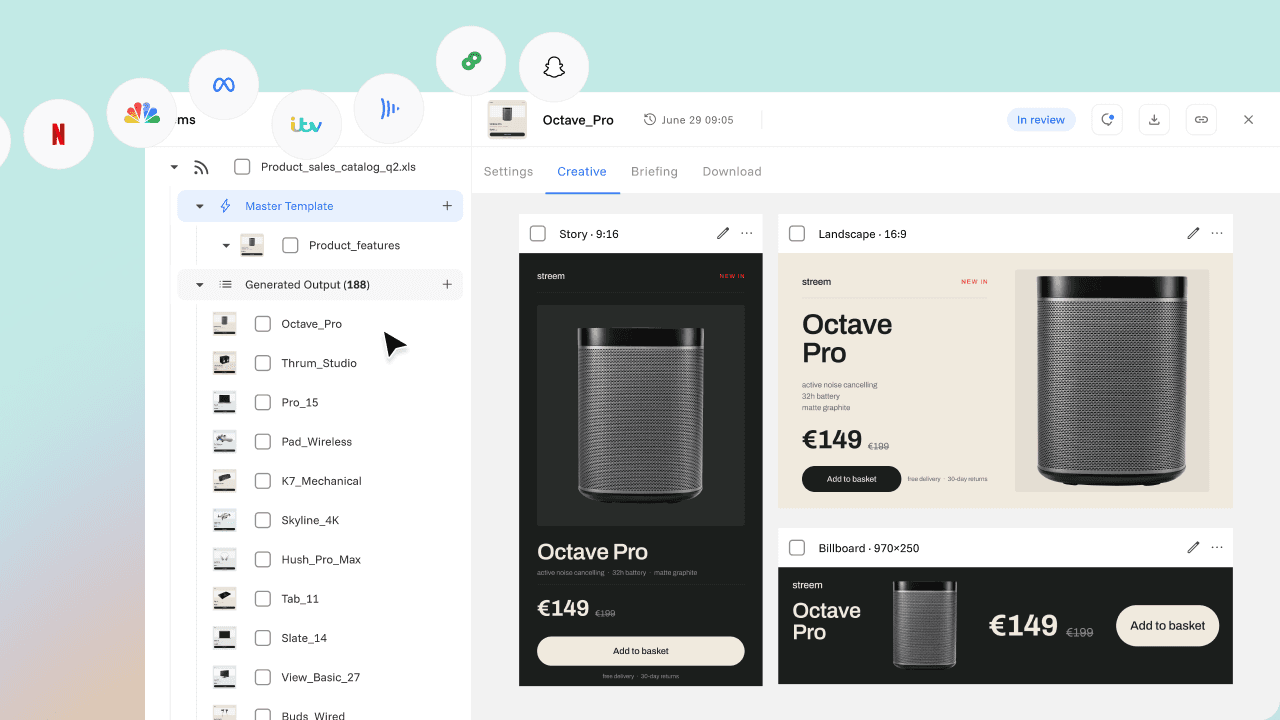
Il workflow DOOH modulare di Cape.io consente di modificare una singola campagna e generare creatività specifiche per formato, rendendo le campagne attivate da dati geografici e meteo più pratiche su scala.

Il Programmatic Digital Out-of-Home (pDOOH) sta registrando una crescita massiccia. Gli investimenti in pDOOH cresceranno in media del 49% nei prossimi 18 mesi, con il 91% degli acquirenti che lo integrerà nella propria pianificazione digitale e programmatica più ampia, rispetto al solo 41% di due anni fa. Quasi un terzo degli inserzionisti sta stanziando budget completamente nuovi per questo canale.
Il denaro, l'inventario e l'infrastruttura di acquisto dei media sono maturati rapidamente. Tuttavia, la produzione di Creatività non ha tenuto il passo.
Oggi, i team media possono acquistare impressioni su migliaia di schermi, fasce orarie e aree geografiche con pochi clic. Ma la Creatività effettiva che appare su quegli schermi viene ancora creata come un decennio fa: un designer, un file, una dimensione alla volta. Il lato acquisti è scattato in avanti, lasciando la produzione di Creatività ferma sulla linea di partenza.
In questo divario è dove le campagne omnichannel perdono silenziosamente il loro vantaggio, ed è esattamente il problema che la Piattaforma di Automazione creativa di Cape.io è stata creata per risolvere.
Una grande sfida nel PDOOH è che i processi creativi non hanno tenuto il passo nel pDOOH: il collo di bottiglia del ridimensionamento
Chiedete a qualsiasi Marchio o agenzia che gestisce una seria campagna DOOH quale sia il loro ostacolo più grande, e la risposta raramente sarà il piano media. È trasformare un singolo elemento di Creatività nelle centinaia di varianti di dimensioni e proporzioni richieste da un vero acquisto DOOH.
Una campagna standard richiede:
Formato orizzontale 16:9 per i cartelloni digitali stradali.
Schermi verticali alti per ambienti di transito e vendita al dettaglio.
Strisce ultra-larghe per centri commerciali e aeroporti.
Formati quadrati per l'arredo urbano.
Dozzine di dimensioni non standard e specifiche dell'editore.
Fatto manualmente, questo non è un compito di design; è un incubo di versioning. Ogni formato richiede il proprio ritaglio, la propria logica di layout e un passaggio di Garanzia di qualità (QA). Questo consuma i tempi di produzione, introduce incoerenze di Marchio e trasforma una semplice modifica del cliente all'ultimo minuto in un intero ciclo di riproduzione.
Questo vincolo limita ciò che è possibile fare dal punto di vista creativo. I marchi hanno le idee per una pubblicità out-of-home geo-rilevante, sensibile all'ora del giorno e personalizzata dinamicamente. Ma produrre l'enorme volume di asset richiesti è stato storicamente troppo lento e costoso da tentare su scala.
Come Cape.io accelera la produzione DOOH
Cape.io si basa su una premessa semplice: progetta una campagna una volta sola e lascia che la Piattaforma gestisca la moltiplicazione. Ecco come eliminiamo completamente il collo di bottiglia dei formati.
Inizia da una libreria di formati centralizzata: la libreria di Cape.io copre l'intera gamma di dimensioni DOOH e pDOOH, inclusi i formati non standard specifici dell'editore. Invece di chiedere a un designer di ricostruire un layout, selezioni direttamente dalla libreria ogni formato di cui la tua campagna ha bisogno in un unico passaggio.
Trasferimento di stile algoritmico: Cape.io applica automaticamente la sua logica di layout, tipografia, colori e posizionamento delle immagini a ogni formato selezionato. Centinaia di build individuali diventano un'unica decisione di design. I designer mantengono il pieno controllo manuale per perfezionare posizionamenti specifici.
Template dinamici e modifiche in blocco: una volta creata una campagna, non devi più ricostruire la Creatività; la stai modificando. Cambia un titolo o sostituisci uno sfondo e quella modifica si propaga istantaneamente su ogni formato del set.
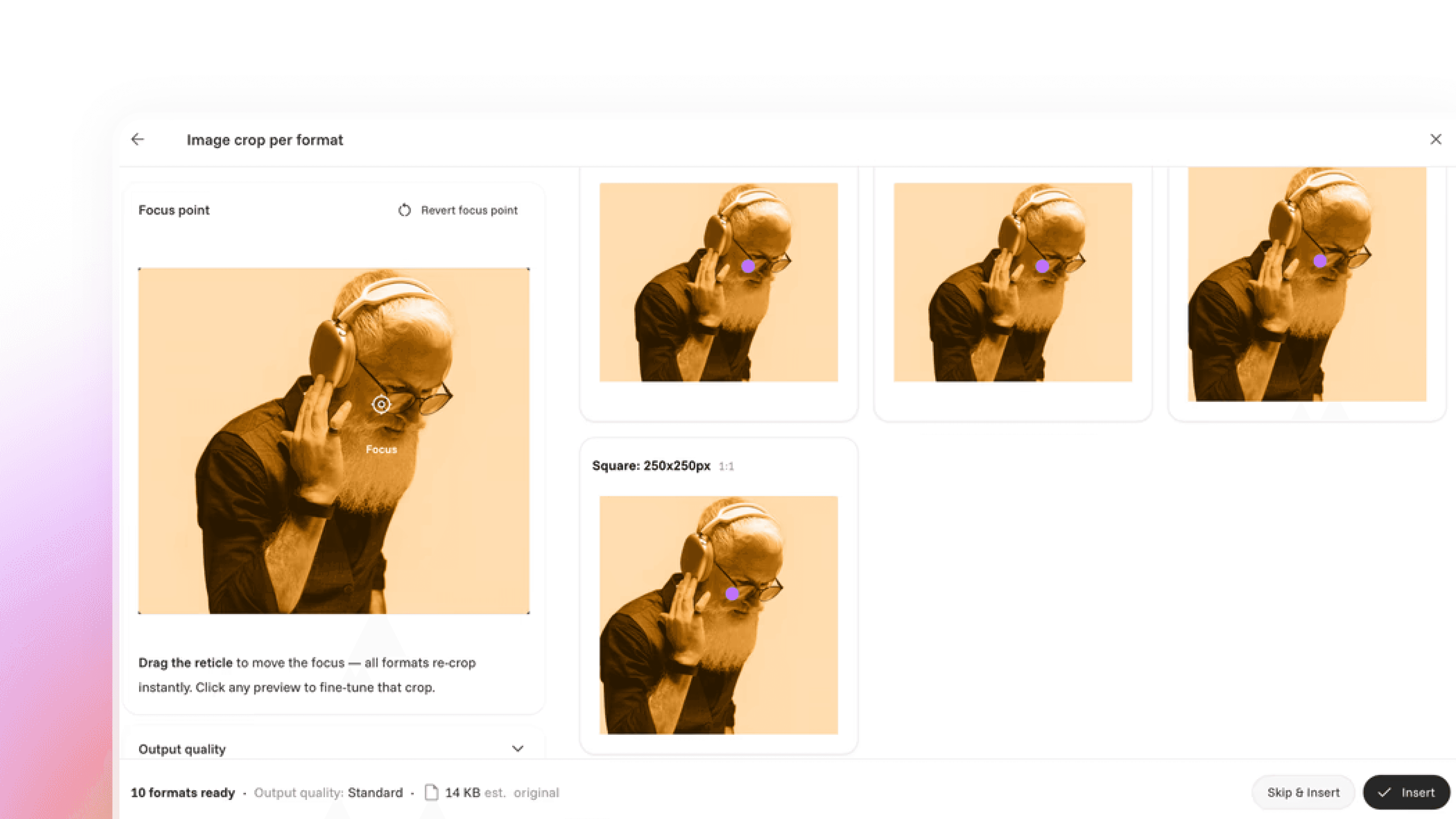
Ridimensionamento basato su IA: la diversità dei formati DOOH è spietata sulla scalabilità. Un'immagine principale composta per un cartellone 16:9 raramente funziona su uno schermo di transito 9:16. Il ritaglio automatico AI di Cape.io analizza ogni immagine di sfondo e determina in modo intelligente come ridimensionarla e riposizionarla per formato, mantenendo il soggetto nell'inquadratura e l'integrità della composizione. Anche in questo caso, i designer mantengono il potere di modifica finale.
Ora che possiamo cambiare la Creatività DOOH a una velocità iperbolica, quando la creazione e l'aggiornamento della Creatività diventano così veloci, le campagne possono finalmente utilizzare varianti come la personalizzazione dei messaggi in base alla geografia, al meteo o all'ora del giorno, invece di accontentarsi di un'unica esecuzione statica.
Casi d'uso dell'Automazione creativa DOOH per profilo
Marchi aziendali con un'elevata spesa OOH: i tempi di produzione non dettano più l'ambizione creativa. Una Creatività localizzata, personalizzata per fasce orarie e sempre aggiornata diventa realizzabile su tutta la rete di schermi, senza aumentare il personale di design interno.
Agenzie creative e media: i template e le modifiche in blocco consentono a un singolo team di produzione di gestire più campagne per i clienti e di occuparsi delle revisioni senza un aumento lineare delle ore fatturabili. Il margine è protetto senza sacrificare la qualità.
Editori DOOH: una Creatività migliore è un bene per tutti. Ogni formato non standard nel tuo inventario diventa più facile da compilare per gli inserzionisti con una Creatività di alta qualità e in linea con il Marchio, rimuovendo un ostacolo importante.
DSP DOOH (Demand-Side Platforms): tempi di consegna della Creatività più rapidi significano meno campagne bloccate e più inventario attivato con asset di dimensioni corrette, migliorando direttamente i tassi di riempimento e le prestazioni delle campagne.
Domande frequenti (FAQ)
Che cos'è il Programmatic DOOH (pDOOH)? Il programmatic DOOH è l'acquisto, la vendita e la consegna automatizzati della pubblicità digitale out-of-home. Consente ai professionisti del marketing di acquistare inventario di cartelloni pubblicitari e schermi di transito in tempo reale sulla base di specifici trigger di dati come il meteo, l'ora del giorno o il flusso pedonale del pubblico.
In che modo l'Automazione creativa migliora le campagne DOOH? Il software di Automazione creativa elimina la creazione manuale di versioni degli annunci. Utilizzando il ritaglio AI e template dinamici, i marchi possono generare istantaneamente centinaia di dimensioni di annunci DOOH da un unico design master, consentendo lanci di campagne più rapidi e messaggi iper-localizzati.
Cape.io può gestire dimensioni di annunci dell'editore non standard? Sì. Cape.io dispone di una libreria di formati completa che include sia le dimensioni DOOH standard sia i requisiti specifici e non standard dell'editore, consentendo ai designer di ridimensionare automaticamente la Creatività per adattarla con precisione a qualsiasi schermo.
Pronto a scalare la tua pubblicità out-of-home? Mettiti in contatto con il nostro team per esaminare il tuo elenco di formati DOOH e vedere la Piattaforma Cape.io in azione.
Category