Il buono, il cattivo e i ritardi: Le sfide per i brand e la consegna degli annunci

Una situazione di stallo che nemmeno Clint Eastwood vorrebbe affrontare

Author

Cape.io

Author

Cape.io

Originariamente pubblicato sul sito di Peach. Scopri di più sul rebranding da Peach a Cape.io.

I Marchi investono molto tempo, denaro e impegno in pubblicità potenti che ispirano e persuadono gli spettatori a scegliere il loro prodotto o servizio rispetto alla concorrenza. La necessità di sapere che stanno spendendo in modo efficace è diventata più prevalente che mai, poiché il 30% degli inserzionisti ha riferito di aver tagliato i budget del 2023. I Marchi devono sapere che la loro spesa ridotta non è andata sprecata. 

Tuttavia, gli inserzionisti oggi affrontano una serie di sfide quando si tratta di gestire i loro contenuti video e le campagne di marketing che influenzano la capacità di misurare il successo. 


Sistemi e fonti di dati frammentati

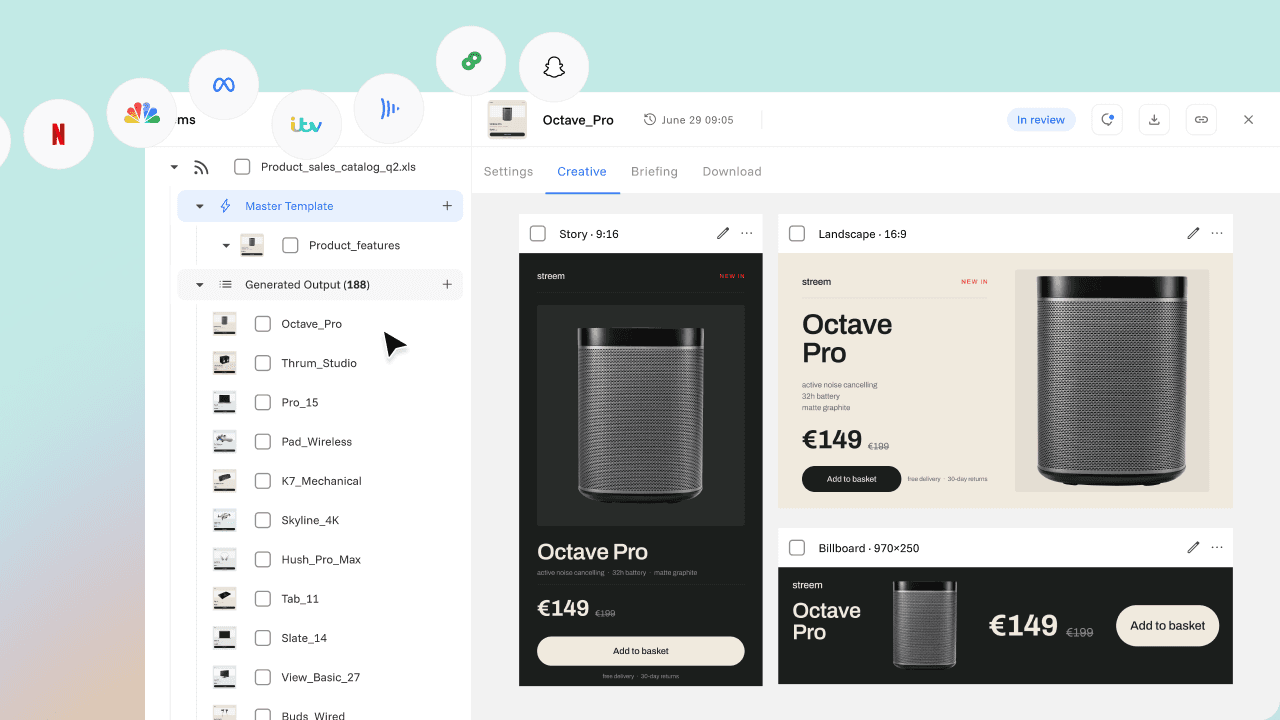
Grandi marchi utilizzano varie agenzie e partner a livello globale per consegnare le loro pubblicità in diverse destinazioni. Il processo di consegna varia probabilmente tra i diversi mercati e anche tra i diversi team nello stesso mercato. 

Per esempio, in un particolare mercato, le pubblicità TV potrebbero essere caricate manualmente, quelle digitali inviate via email, link per il download o anche Wetransfer, mentre in un altro mercato, la pubblicità TV è gestita da un'agenzia e quella digitale da un'altra agenzia separata. 

Questo è un problema poiché crea spiacevoli silos tra le parti interessate, rendendo praticamente impossibile per i Marchi ottenere dati coerenti con un chiaro tracciamento di audit.

Quindi, come fanno i Marchi a garantire che stanno ottenendo dati e informazioni coerenti dalle agenzie in tutto il mondo? La risposta è semplice: molta capacità mentale del personale delle agenzie. Vengono introdotte convenzioni di denominazione, pesanti procedure di onboarding per i nuovi arrivati e molte esportazioni manuali di dati per recuperare risultati che anche allora non garantiscono di essere accurati. 

La mancanza di una procedura globale standardizzata e automatizzata rende difficile per i Marchi ottenere una comprensione completa delle loro prestazioni per conseguentemente prendere decisioni basate sui dati. Senza metriche e approfondimenti chiari, può essere difficile per i marchi capire come stanno andando le loro campagne e fare gli aggiustamenti necessari. Invece, i Marchi rimangono con molte domande senza risposta, la più terribile delle quali è se la campagna è stata effettivamente consegnata? 


Accesso limitato ai propri contenuti

È inevitabile che i Marchi debbano utilizzare vari sistemi nella gestione delle loro campagne e l'utilizzo di piattaforme diverse non è il nocciolo del problema. Per esempio, un Adserver e un DAM sono praticamente obbligatori, tuttavia, il vero problema è che spesso non sono connessi tra loro. È qui che non funziona. 

Si desidera che interagiscano bene tra loro e abbiano un'interconnettività aperta dove i dati possono fluire senza soluzione di continuità da uno all'altro senza alcun intervento o cura manuale. 

I Marchi spesso faticano a trovare e accedere a tutti i loro contenuti su diverse piattaforme e canali, rendendo difficile il riutilizzo o il riuso efficace degli asset. Inoltre, la ricerca di contenuti e risultati di campagne rallenta il tasso di risposta, il che impedisce l'agilità, e potrebbe essere critico se una campagna richiede attenzione urgente. 


Far bene i servizi di accessibilità  

I servizi di accesso devono anche essere al centro delle considerazioni di un Marchio. Abbiamo già parlato in precedenza de l'importanza di includere i servizi di accessibilità con le pubblicità, ma può comportare sfide. 

La prima sfida più evidente è cambiare la narrativa che i servizi di accessibilità valgono la pena di essere inclusi e non infrangono nemmeno il budget. Questi servizi sono erroneamente considerati costosi e difficili da implementare, ma in molti casi possono essere facilmente abilitati per garantire che il contenuto sia accessibile a tutti i loro consumatori e generi un alto ROI.

Successivamente, i Marchi devono comunicare sin dall'inizio alle loro agenzie che vogliono che questi servizi siano inclusi. A volte non vengono aggiunti semplicemente perché non viene comunicato chiaramente che sono desiderati. I sottotitoli/Le Didascalie Chiuse e le Descrizioni Audio possono essere applicati solo alla pubblicità al termine della produzione, ma non possono essere un ripensamento. Per un uso efficace, le agenzie devono essere indirizzate a considerare quanto bene una pubblicità verrà tradotta tramite i servizi di accessibilità già nella fase di generazione delle idee. Per esempio, se una pubblicità si basa esclusivamente sulla musica per anticipazione e tensione, ciò non si tradurrà bene in sottotitoli. 

Infine, i Marchi potrebbero esternalizzare questo servizio a un altro stakeholder nel flusso di lavoro pubblicitario. Questo fornitore aggiuntivo deve riconoscere le sfumature e la regolamentazione dei requisiti di ogni mercato, altrimenti la mancanza di comprensione globale potrebbe significare fornitori separati per ogni regione. Questo quindi aggiunge ulteriore complessità a un flusso di lavoro già sovraccarico e aumenta la possibilità di ritardi. 


Conformità del Marchio 

Entro il 2026, si stima che la spesa per la pubblicità creativa mobile negli Stati Uniti raggiungerà da sola i 247,68 miliardi di dollari, unitamente all'aumento dell'adozione della TV connessa, gli inserzionisti hanno più opportunità che mai di mostrare la loro offerta. Tuttavia, come può un Marchio realisticamente espandere la quantità di asset creativi ora necessari, rimanendo conforme al Marchio? 

I flussi di lavoro di revisione manuale dei contenuti possono inevitabilmente consentire il verificarsi di errori critici di branding, compromettendo la percezione del Marchio. Questo si aggiungerà con la crescente domanda di più asset creativi per mercati multipli.

Le tecnologie di automazione e apprendimento automatico sono previste per trasformare l'80% dei lavori nelle agenzie entro il 2030 e certamente possono essere applicate alla generazione di creatività pubblicitaria su larga scala e all'identificazione di potenziali disallineamenti rispetto agli standard di brand. Ma la loro adozione porta anche una nuova serie di sfide. 

I Marchi devono prima essere disposti a investire nella tecnologia. Dovranno anche investire in strumenti o processi che possono identificare problemi più sottili come le pubblicità generate dall'IA discriminatorie, un problema che causerebbe effetti più ampi sulla percezione del Marchio. Tuttavia, poiché l'IA è ancora relativamente nuova, i Marchi potrebbero non essere disposti a correre il rischio finché non ci sono linee guida più chiare su come implementarla con successo. Il compromesso di essere più avversi al rischio però può significare perdere il vantaggio del primo arrivo rispetto alla concorrenza. Una decisione difficile da prendere di sicuro! 

-

Queste sono solo alcune delle sfide che i Marchi nell'industria di oggi stanno affrontando. Diversi Marchi troveranno alcuni problemi più problematici di altri, ma Peach è dedicato ad aiutare a risolvere qualsiasi problema i nostri clienti possano incontrare. Se sei interessato a trovare una soluzione a una delle sfide sopra, mettersi in contatto con Peach oggi per aiutare a garantire di rimanere in controllo del tuo flusso di lavoro pubblicitario. 

Notizie

Anticipa le tendenze

Sei curioso di scoprire le ultime novità nel marketing e nella pubblicità? Iscriviti alla nostra newsletter mensile Promarketers.

30 mar 2026

Operationalizing AI in advertising: Why it must be embedded, not bolted on

Operationalizing AI in advertising isn’t about adding another tool to your stack. It’s about embedding intelligence into the systems that govern creative production, compliance, and delivery, so automation scales without creating more operational friction.

18 mar 2026

No more chocolate at breakfast? Navigating the new LHF ad rules this Easter

As ad compliance requirements evolve in 2026, UK confectionery brands face new restrictions on less healthy food (LHF) advertising. With the January 5 watershed now in effect, ad quality assurance systems must validate timing, placement, and product identifiability to avoid clearance failures this Easter season.

16 mar 2026

The future of inclusion: How Cape.io powered Virgin Media Television’s fully accessible ad break during the Men’s Six Nations

As Channel 4’s closed-captioning mandate came into effect in March 2026, Cape.io partnered with Virgin Media Television, Omnicom Media Group and VoiceBox to deliver a truly accessible ad break during the Guinness Men’s Six Nations. More than ad compliance, this moment proved that accessibility can operate at the highest level of live sports broadcasting.

27 feb 2026

Navigating Channel 4’s 2026 closed caption mandate

As ad compliance requirements tighten across the UK and Europe, closed captioning has evolved from an accessibility checkbox to a strategic necessity. Whether you're managing CTV campaigns or social media creative, automated ad testing for caption quality is no longer optional - it's fundamental to reaching today's fragmented, multi-screen audiences.

The advertising landscape is facing a seismic shift. By March 1, Channel 4 will become the first UK broadcaster to mandate closed captions across all advertising - including linear TV, streaming, and sponsorships.

The mandate is  a redefined standard for global inclusivity. Here is everything you need to know about the new mandate and how to stay ahead of the curve.

26 feb 2026

One platform, many realities: How creative automation platforms resolve the global vs. local tension

Scaling global marketing without losing local relevance requires more than brand guidelines and templates - it requires a creative automation platform designed for both global control and local flexibility. Most systems optimize for standardization, but scaling ad creative production across markets demands architecture that enables creative variation and adaptation by local experts without fragmenting brand governance.

Many global advertisers are chasing the same ideal: scale without losing relevance.

Consistency without uniformity.
Efficiency without bureaucracy.

It sounds simple. In practice, it’s one of the hardest tensions to resolve in modern marketing.

The global vs. local challenge isn’t new, but it’s becoming more urgent. As brands expand across markets, channels, and cultures, the question is no longer whether you should scale globally, but how you do so without erasing the nuance that makes marketing effective in the first place.

Everyone is looking for this balance. Very few get it right.

11 feb 2026

EPTVI Initiative launches Stage Two to help programmatic TV scale across Europe’s largest advertising markets

Broadcasters, streamers, agencies and ad tech companies including Google Ad Manager, Equativ, Adform, LiveRamp, The Trade Desk, FreeWheel and Cape.io begin work on practical solutions to reduce complexity and speed up adoption.

Notizie

Anticipa le tendenze

Sei curioso di scoprire le ultime novità nel marketing e nella pubblicità? Iscriviti alla nostra newsletter mensile Promarketers.

30 mar 2026

Operationalizing AI in advertising: Why it must be embedded, not bolted on

Operationalizing AI in advertising isn’t about adding another tool to your stack. It’s about embedding intelligence into the systems that govern creative production, compliance, and delivery, so automation scales without creating more operational friction.

18 mar 2026

No more chocolate at breakfast? Navigating the new LHF ad rules this Easter

As ad compliance requirements evolve in 2026, UK confectionery brands face new restrictions on less healthy food (LHF) advertising. With the January 5 watershed now in effect, ad quality assurance systems must validate timing, placement, and product identifiability to avoid clearance failures this Easter season.

16 mar 2026

The future of inclusion: How Cape.io powered Virgin Media Television’s fully accessible ad break during the Men’s Six Nations

As Channel 4’s closed-captioning mandate came into effect in March 2026, Cape.io partnered with Virgin Media Television, Omnicom Media Group and VoiceBox to deliver a truly accessible ad break during the Guinness Men’s Six Nations. More than ad compliance, this moment proved that accessibility can operate at the highest level of live sports broadcasting.

27 feb 2026

Navigating Channel 4’s 2026 closed caption mandate

As ad compliance requirements tighten across the UK and Europe, closed captioning has evolved from an accessibility checkbox to a strategic necessity. Whether you're managing CTV campaigns or social media creative, automated ad testing for caption quality is no longer optional - it's fundamental to reaching today's fragmented, multi-screen audiences.

The advertising landscape is facing a seismic shift. By March 1, Channel 4 will become the first UK broadcaster to mandate closed captions across all advertising - including linear TV, streaming, and sponsorships.

The mandate is  a redefined standard for global inclusivity. Here is everything you need to know about the new mandate and how to stay ahead of the curve.

26 feb 2026

One platform, many realities: How creative automation platforms resolve the global vs. local tension

Scaling global marketing without losing local relevance requires more than brand guidelines and templates - it requires a creative automation platform designed for both global control and local flexibility. Most systems optimize for standardization, but scaling ad creative production across markets demands architecture that enables creative variation and adaptation by local experts without fragmenting brand governance.

Many global advertisers are chasing the same ideal: scale without losing relevance.

Consistency without uniformity.
Efficiency without bureaucracy.

It sounds simple. In practice, it’s one of the hardest tensions to resolve in modern marketing.

The global vs. local challenge isn’t new, but it’s becoming more urgent. As brands expand across markets, channels, and cultures, the question is no longer whether you should scale globally, but how you do so without erasing the nuance that makes marketing effective in the first place.

Everyone is looking for this balance. Very few get it right.

11 feb 2026

EPTVI Initiative launches Stage Two to help programmatic TV scale across Europe’s largest advertising markets

Broadcasters, streamers, agencies and ad tech companies including Google Ad Manager, Equativ, Adform, LiveRamp, The Trade Desk, FreeWheel and Cape.io begin work on practical solutions to reduce complexity and speed up adoption.

Notizie

Anticipa le tendenze

Sei curioso di scoprire le ultime novità nel marketing e nella pubblicità? Iscriviti alla nostra newsletter mensile Promarketers.

30 mar 2026

Operationalizing AI in advertising: Why it must be embedded, not bolted on

Operationalizing AI in advertising isn’t about adding another tool to your stack. It’s about embedding intelligence into the systems that govern creative production, compliance, and delivery, so automation scales without creating more operational friction.

18 mar 2026

No more chocolate at breakfast? Navigating the new LHF ad rules this Easter

As ad compliance requirements evolve in 2026, UK confectionery brands face new restrictions on less healthy food (LHF) advertising. With the January 5 watershed now in effect, ad quality assurance systems must validate timing, placement, and product identifiability to avoid clearance failures this Easter season.

16 mar 2026

The future of inclusion: How Cape.io powered Virgin Media Television’s fully accessible ad break during the Men’s Six Nations

As Channel 4’s closed-captioning mandate came into effect in March 2026, Cape.io partnered with Virgin Media Television, Omnicom Media Group and VoiceBox to deliver a truly accessible ad break during the Guinness Men’s Six Nations. More than ad compliance, this moment proved that accessibility can operate at the highest level of live sports broadcasting.

27 feb 2026

Navigating Channel 4’s 2026 closed caption mandate

As ad compliance requirements tighten across the UK and Europe, closed captioning has evolved from an accessibility checkbox to a strategic necessity. Whether you're managing CTV campaigns or social media creative, automated ad testing for caption quality is no longer optional - it's fundamental to reaching today's fragmented, multi-screen audiences.

The advertising landscape is facing a seismic shift. By March 1, Channel 4 will become the first UK broadcaster to mandate closed captions across all advertising - including linear TV, streaming, and sponsorships.

The mandate is  a redefined standard for global inclusivity. Here is everything you need to know about the new mandate and how to stay ahead of the curve.

26 feb 2026

One platform, many realities: How creative automation platforms resolve the global vs. local tension

Scaling global marketing without losing local relevance requires more than brand guidelines and templates - it requires a creative automation platform designed for both global control and local flexibility. Most systems optimize for standardization, but scaling ad creative production across markets demands architecture that enables creative variation and adaptation by local experts without fragmenting brand governance.

Many global advertisers are chasing the same ideal: scale without losing relevance.

Consistency without uniformity.
Efficiency without bureaucracy.

It sounds simple. In practice, it’s one of the hardest tensions to resolve in modern marketing.

The global vs. local challenge isn’t new, but it’s becoming more urgent. As brands expand across markets, channels, and cultures, the question is no longer whether you should scale globally, but how you do so without erasing the nuance that makes marketing effective in the first place.

Everyone is looking for this balance. Very few get it right.

11 feb 2026

EPTVI Initiative launches Stage Two to help programmatic TV scale across Europe’s largest advertising markets

Broadcasters, streamers, agencies and ad tech companies including Google Ad Manager, Equativ, Adform, LiveRamp, The Trade Desk, FreeWheel and Cape.io begin work on practical solutions to reduce complexity and speed up adoption.

Contattaci oggi stesso

Vediamo cosa può fare Cape.io.

Automazione Intelligente delle Campagne

Cape.io connette il tuo team, DAM, ad server, DSP, strumenti e altro ancora, così non è necessario strappare e sostituire.

© 2025 Cape.io. Tutti i diritti riservati

Italiano

Contattaci oggi stesso

Vediamo cosa può fare Cape.io.

Automazione Intelligente delle Campagne

Cape.io connette il tuo team, DAM, ad server, DSP, strumenti e altro ancora, così non è necessario strappare e sostituire.

© 2025 Cape.io. Tutti i diritti riservati

Italiano

Contattaci oggi stesso

Vediamo cosa può fare Cape.io.

Automazione Intelligente delle Campagne

Cape.io connette il tuo team, DAM, ad server, DSP, strumenti e altro ancora, così non è necessario strappare e sostituire.

© 2025 Cape.io. Tutti i diritti riservati

Italiano