2021/07/20

自動化して排除する

ロボットが悪役でないとしたらどうでしょうか?ロボットにもっと仕事をさせることで、あなたがもっと楽しいことをする時間が持てるようになるのですか?

Author

Cape.io

Author

Cape.io

これが最初にPeachのウェブサイトに掲載されました。詳細は Cape.ioに名前を変更したことについてここで知ることができます。

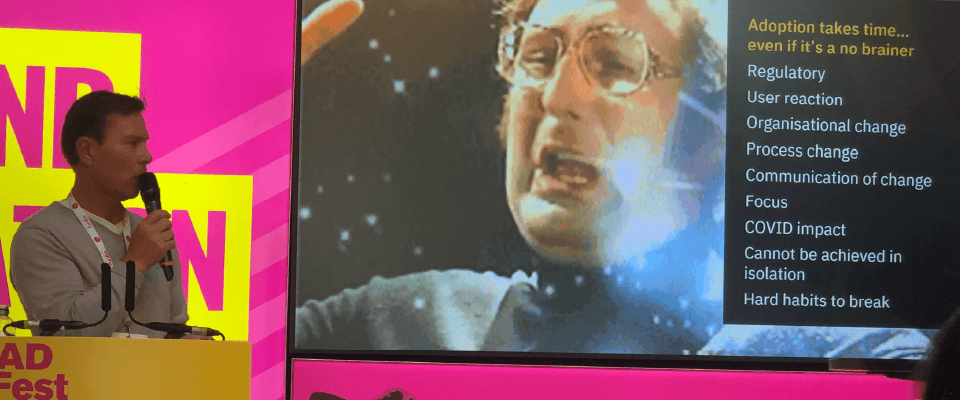
私たちのグローバル最高デジタル責任者であるジェイソン・トラウトが7月初めにMad//Festロンドンで講演しました。彼のセッションでは、広告業界がオートメーションを受け入れることの重要性と、それが職を奪うという恐れが根拠のないものであることをカバーしました。 

1930年、ジョン・メイナード・ケインズは、人々が週30時間働き、問題は余暇時間が多すぎることだと考えていました。彼の考えでは?19世紀の印刷物が示すように、彼は機械を活用して、より速く効率的に同じ出力を得ることができると考えていました…だから私たちはくつろいで過ごすことができます。ああ、そう望みます。 


100年近く経った今でも、その地点には達していません。代わりに、過労が非効率よりも献身として解釈されることがしばしばあります。縮小された労働週のビジョンは、著者がそれを知っていたかどうかにかかわらず、より効果的な労働力のビジョンでした。しかし、仕事を少しすることを認めることは、しばしば関心がないとして解釈されます。 

そのような見方が専念していないと見られるため、従業員は価値の低い単調な仕事に閉じ込められ、迅速なオートメーションのサポートを求めて高いレベルの仕事をより少ない労力で行い、ビジネスを拡大することを制限します。 


私がオートメーションを提案する理由は、私が取り替えられるからですか?  

どのようにオートメーションがビジネスの生産性を向上し、コストを削減するかについての会話は、しばしばオートメーションが労働者から職を奪う話と共に語られます。

マッキンゼー・グローバル・インスティチュートのレポートによると、仕事の5%未満が完全に自動化できる活動で構成されています。


はるかに一般的なのは、特定の役割のための構成活動のオートメーションです。約60%の職業で、特定の仕事を構成する活動の少なくとも3分の1が自動化できます。良いニュースは、ほとんどの労働者がこのオートメーションを積極的に見ており、彼らの仕事と生活をより良くする可能性のあるオートメーションを取り入れることに熱心であることです。

調査された労働者は、データ入力のような反復的な手作業に費やす時間を減らし、仕事のやりがいのある側面にもっと時間を費やすことを楽しみにしています。オートメーションがどのようにそれを実現できるか、そして組織が情報労働者のための反復的なタスクのオートメーションにどのように取り組んでいるかの概要を以下に示します。


上のグラフからわかるように、広告業界がオートメーションを採用する可能性が二番目に高く、宿泊施設や飲食サービスの直下に位置しています。 


上のグラフはその51%を広告業界でオートメーションを適用できる特定の活動に分解しています。  


どれだけの時間を浪費していますか? 

フォーブスの労働者調査によると、回答者の40%が仕事週の4分の1をメール、データ入力、収集などの反復作業に費やしているとしています。70%は、オートメーションを適用する最大の機会は反復作業であると信じており、広告業界では資産承認やステータス更新要求といったものがそれに当たります。 

最終的に、60%が、オートメーションの導入後に週に合計6時間以上の作業が節約されると見込まれています。これにより、事務作業が多いタスクから解放され、創造性とより収益性の高い作業に注力を再調整できます。 

導入は時間がかかります — それでも当然のことです 

ビジネスと従業員向けのオートメーションの導入には明確な理由があります。では、なぜビジネスの実装がこれほど遅れているのでしょう?ロジックが明確であっても、コミットメントが必要です。それはクイックフィックスではなく、プロセスであり、すべての関係者からの時間と集中が必要です — 子犬のトイレトレーニングのように。  

変化に対して人々は常に抵抗があります。たとえそれが彼らに利益をもたらすと認識していても。変化は伝えられ、理解され、教えられる必要があります。これは組織的な変化を伴うかもしれず、それに伴う課題があります。 

そしてもちろん、Covid-19もあります — それがどうしてオートメーションの導入を意外に遅らせたかです。第一に、資本は短期的なビジネスの生存のために他の場所に再投資する必要があるかもしれません。第二に、新しいプロセスのトレーニングはオフィスで集まる代わりに在宅勤務中の人々にとってかなり難しく時間がかかります。ビジネスは、社員がオフィスに恒久的に戻るまで導入を一時停止することを決めるかもしれません。そして、誰が本当にそれがいつ可能かわかるのでしょうか。 

それでもなお、広告業界が近代化する必要性を無視するのは危険です。デジタル、コネクテッドTV、DOOHの爆発的な増加により、状況はますます耐え難くなるだけです。デジタルキャンペーンを実現するのは時間、労力、士気を費やします。メディアが反復タスクに詰まっているためです。 

CoLabが実施した調査によると:

  • 61%がコンテンツの調達が遅く複雑であると感じている

  • 62%が質の悪いコンテンツが使用されていることを認識している 

  • 96%が複数のポイントにわたって異なるプロセスを使用している

  • 65%がどこにコンテンツが配信されたかの追跡をしていないと

私たちの提案?今、投資して採用する、対応可能なうちに - それが長期的な存続への唯一の答えとなります。 


ニュース

流行の最先端を行く

マーケティングや広告の最新情報に興味がありますか?毎月発行されるプロマーケターズニュースレターに登録してください。

2026/03/30

Operationalizing AI in advertising: Why it must be embedded, not bolted on

Operationalizing AI in advertising isn’t about adding another tool to your stack. It’s about embedding intelligence into the systems that govern creative production, compliance, and delivery, so automation scales without creating more operational friction.

2026/03/18

No more chocolate at breakfast? Navigating the new LHF ad rules this Easter

As ad compliance requirements evolve in 2026, UK confectionery brands face new restrictions on less healthy food (LHF) advertising. With the January 5 watershed now in effect, ad quality assurance systems must validate timing, placement, and product identifiability to avoid clearance failures this Easter season.

2026/03/16

The future of inclusion: How Cape.io powered Virgin Media Television’s fully accessible ad break during the Men’s Six Nations

As Channel 4’s closed-captioning mandate came into effect in March 2026, Cape.io partnered with Virgin Media Television, Omnicom Media Group and VoiceBox to deliver a truly accessible ad break during the Guinness Men’s Six Nations. More than ad compliance, this moment proved that accessibility can operate at the highest level of live sports broadcasting.

2026/02/27

Navigating Channel 4’s 2026 closed caption mandate

As ad compliance requirements tighten across the UK and Europe, closed captioning has evolved from an accessibility checkbox to a strategic necessity. Whether you're managing CTV campaigns or social media creative, automated ad testing for caption quality is no longer optional - it's fundamental to reaching today's fragmented, multi-screen audiences.

The advertising landscape is facing a seismic shift. By March 1, Channel 4 will become the first UK broadcaster to mandate closed captions across all advertising - including linear TV, streaming, and sponsorships.

The mandate is  a redefined standard for global inclusivity. Here is everything you need to know about the new mandate and how to stay ahead of the curve.

2026/02/26

One platform, many realities: How creative automation platforms resolve the global vs. local tension

Scaling global marketing without losing local relevance requires more than brand guidelines and templates - it requires a creative automation platform designed for both global control and local flexibility. Most systems optimize for standardization, but scaling ad creative production across markets demands architecture that enables creative variation and adaptation by local experts without fragmenting brand governance.

Many global advertisers are chasing the same ideal: scale without losing relevance.

Consistency without uniformity.
Efficiency without bureaucracy.

It sounds simple. In practice, it’s one of the hardest tensions to resolve in modern marketing.

The global vs. local challenge isn’t new, but it’s becoming more urgent. As brands expand across markets, channels, and cultures, the question is no longer whether you should scale globally, but how you do so without erasing the nuance that makes marketing effective in the first place.

Everyone is looking for this balance. Very few get it right.

2026/02/11

EPTVI Initiative launches Stage Two to help programmatic TV scale across Europe’s largest advertising markets

Broadcasters, streamers, agencies and ad tech companies including Google Ad Manager, Equativ, Adform, LiveRamp, The Trade Desk, FreeWheel and Cape.io begin work on practical solutions to reduce complexity and speed up adoption.

ニュース

流行の最先端を行く

マーケティングや広告の最新情報に興味がありますか?毎月発行されるプロマーケターズニュースレターに登録してください。

2026/03/30

Operationalizing AI in advertising: Why it must be embedded, not bolted on

Operationalizing AI in advertising isn’t about adding another tool to your stack. It’s about embedding intelligence into the systems that govern creative production, compliance, and delivery, so automation scales without creating more operational friction.

2026/03/18

No more chocolate at breakfast? Navigating the new LHF ad rules this Easter

As ad compliance requirements evolve in 2026, UK confectionery brands face new restrictions on less healthy food (LHF) advertising. With the January 5 watershed now in effect, ad quality assurance systems must validate timing, placement, and product identifiability to avoid clearance failures this Easter season.

2026/03/16

The future of inclusion: How Cape.io powered Virgin Media Television’s fully accessible ad break during the Men’s Six Nations

As Channel 4’s closed-captioning mandate came into effect in March 2026, Cape.io partnered with Virgin Media Television, Omnicom Media Group and VoiceBox to deliver a truly accessible ad break during the Guinness Men’s Six Nations. More than ad compliance, this moment proved that accessibility can operate at the highest level of live sports broadcasting.

2026/02/27

Navigating Channel 4’s 2026 closed caption mandate

As ad compliance requirements tighten across the UK and Europe, closed captioning has evolved from an accessibility checkbox to a strategic necessity. Whether you're managing CTV campaigns or social media creative, automated ad testing for caption quality is no longer optional - it's fundamental to reaching today's fragmented, multi-screen audiences.

The advertising landscape is facing a seismic shift. By March 1, Channel 4 will become the first UK broadcaster to mandate closed captions across all advertising - including linear TV, streaming, and sponsorships.

The mandate is  a redefined standard for global inclusivity. Here is everything you need to know about the new mandate and how to stay ahead of the curve.

2026/02/26

One platform, many realities: How creative automation platforms resolve the global vs. local tension

Scaling global marketing without losing local relevance requires more than brand guidelines and templates - it requires a creative automation platform designed for both global control and local flexibility. Most systems optimize for standardization, but scaling ad creative production across markets demands architecture that enables creative variation and adaptation by local experts without fragmenting brand governance.

Many global advertisers are chasing the same ideal: scale without losing relevance.

Consistency without uniformity.
Efficiency without bureaucracy.

It sounds simple. In practice, it’s one of the hardest tensions to resolve in modern marketing.

The global vs. local challenge isn’t new, but it’s becoming more urgent. As brands expand across markets, channels, and cultures, the question is no longer whether you should scale globally, but how you do so without erasing the nuance that makes marketing effective in the first place.

Everyone is looking for this balance. Very few get it right.

2026/02/11

EPTVI Initiative launches Stage Two to help programmatic TV scale across Europe’s largest advertising markets

Broadcasters, streamers, agencies and ad tech companies including Google Ad Manager, Equativ, Adform, LiveRamp, The Trade Desk, FreeWheel and Cape.io begin work on practical solutions to reduce complexity and speed up adoption.

ニュース

流行の最先端を行く

マーケティングや広告の最新情報に興味がありますか?毎月発行されるプロマーケターズニュースレターに登録してください。

2026/03/30

Operationalizing AI in advertising: Why it must be embedded, not bolted on

Operationalizing AI in advertising isn’t about adding another tool to your stack. It’s about embedding intelligence into the systems that govern creative production, compliance, and delivery, so automation scales without creating more operational friction.

2026/03/18

No more chocolate at breakfast? Navigating the new LHF ad rules this Easter

As ad compliance requirements evolve in 2026, UK confectionery brands face new restrictions on less healthy food (LHF) advertising. With the January 5 watershed now in effect, ad quality assurance systems must validate timing, placement, and product identifiability to avoid clearance failures this Easter season.

2026/03/16

The future of inclusion: How Cape.io powered Virgin Media Television’s fully accessible ad break during the Men’s Six Nations

As Channel 4’s closed-captioning mandate came into effect in March 2026, Cape.io partnered with Virgin Media Television, Omnicom Media Group and VoiceBox to deliver a truly accessible ad break during the Guinness Men’s Six Nations. More than ad compliance, this moment proved that accessibility can operate at the highest level of live sports broadcasting.

2026/02/27

Navigating Channel 4’s 2026 closed caption mandate

As ad compliance requirements tighten across the UK and Europe, closed captioning has evolved from an accessibility checkbox to a strategic necessity. Whether you're managing CTV campaigns or social media creative, automated ad testing for caption quality is no longer optional - it's fundamental to reaching today's fragmented, multi-screen audiences.

The advertising landscape is facing a seismic shift. By March 1, Channel 4 will become the first UK broadcaster to mandate closed captions across all advertising - including linear TV, streaming, and sponsorships.

The mandate is  a redefined standard for global inclusivity. Here is everything you need to know about the new mandate and how to stay ahead of the curve.

2026/02/26

One platform, many realities: How creative automation platforms resolve the global vs. local tension

Scaling global marketing without losing local relevance requires more than brand guidelines and templates - it requires a creative automation platform designed for both global control and local flexibility. Most systems optimize for standardization, but scaling ad creative production across markets demands architecture that enables creative variation and adaptation by local experts without fragmenting brand governance.

Many global advertisers are chasing the same ideal: scale without losing relevance.

Consistency without uniformity.
Efficiency without bureaucracy.

It sounds simple. In practice, it’s one of the hardest tensions to resolve in modern marketing.

The global vs. local challenge isn’t new, but it’s becoming more urgent. As brands expand across markets, channels, and cultures, the question is no longer whether you should scale globally, but how you do so without erasing the nuance that makes marketing effective in the first place.

Everyone is looking for this balance. Very few get it right.

2026/02/11

EPTVI Initiative launches Stage Two to help programmatic TV scale across Europe’s largest advertising markets

Broadcasters, streamers, agencies and ad tech companies including Google Ad Manager, Equativ, Adform, LiveRamp, The Trade Desk, FreeWheel and Cape.io begin work on practical solutions to reduce complexity and speed up adoption.

お問い合わせ

Cape.ioの可能性を体験してください。

スマートな広告キャンペーン自動化

Cape.ioは、チームやDAM、広告サーバー、DSP、ツールなどをつなげるため、既存のシステムを入れ替える必要はありません。

Copyright © 2025 Cape.io all rights reserved

日本語

お問い合わせ

Cape.ioの可能性を体験してください。

スマートな広告キャンペーン自動化

Cape.ioは、チームやDAM、広告サーバー、DSP、ツールなどをつなげるため、既存のシステムを入れ替える必要はありません。

Copyright © 2025 Cape.io all rights reserved

日本語

お問い合わせ

Cape.ioの可能性を体験してください。

スマートな広告キャンペーン自動化

Cape.ioは、チームやDAM、広告サーバー、DSP、ツールなどをつなげるため、既存のシステムを入れ替える必要はありません。

Copyright © 2025 Cape.io all rights reserved

日本語