20 lip 2021

Automatyzuj, aby wyeliminować

Co jeśli roboty nie są złoczyńcami? Co jeśli… pozwolenie robotom na wykonywanie większej ilości pracy pozwala Ci zająć się większą częścią przyjemnych rzeczy?

Author

Cape.io

Author

Cape.io

To zostało pierwotnie opublikowane na stronie internetowej Peach. Dowiedz się więcej o rebrandingu z Peach na Cape.io.

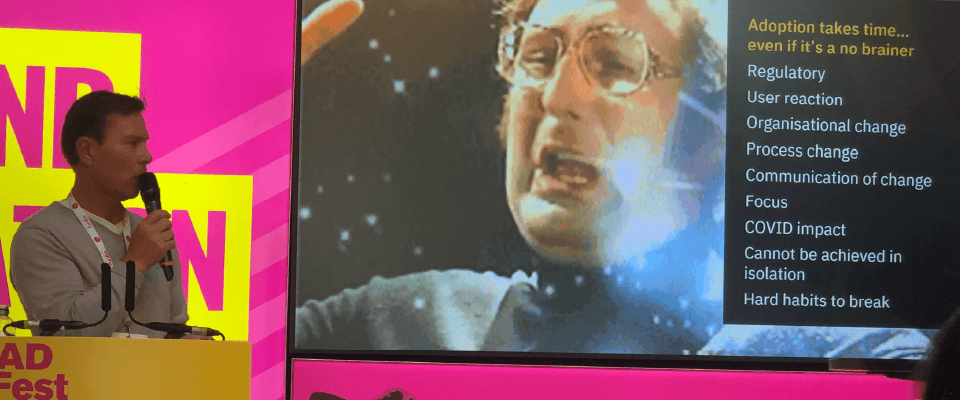
Jason Trout, nasz Globalny Główny Digital Officer, przemawiał na Mad//Fest London na początku lipca na naszej pierwszej konferencji #IRL w Europie. Jego sesja dotyczyła znaczenia, jakie przemysł reklamy ma w stosowaniu automatyzacji i że obawy, iż mogłoby to zabierać miejsca pracy, są nieuzasadnione. 

W 1930 roku John Maynard Keynes myślał, że będziemy pracować 30 godzin tygodniowo, a naszym problemem będzie za dużo czasu wolnego. Jego myślenie? Jak XIX-wieczny druk, sądził, że będziemy mogli polegać na maszynach, które produkują te same wyniki szybciej i wydajniej... abyśmy mogli usiąść i zrelaksować się. Boże, jakbyśmy to chcieli. 


Prawie 100 lat później i nadal nie osiągnęliśmy tego punktu. Zamiast tego, nadmierna praca jest często interpretowana jako zaangażowanie, a nie nieskuteczność. Wizje skróconych tygodni pracy były, czy autorzy o tym wiedzieli, czy nie, wizjami bardziej efektywnej siły roboczej. Ale przyznać się do robienia mniej jest często interpretowane jako mniejsze zaangażowanie. 

To postrzeganie braku zaangażowania utrzymuje pracowników w nisko wartościowej i nudnej pracy zamiast prosić o wsparcie szybszych zautomatyzowanych alternatyw, które uwalniają pracowników do wykonywania wyższej jakości pracy z mniejszym wysiłkiem, pozwalając firmie się rozwijać. 


Dlaczego miałbym sugerować automatyzację, jeśli to oznacza, że zostanę zastąpiony?  

Rozmowy o tym, jak automatyzacja może poprawić produktywność i obniżyć koszty dla firm, są często związane z historiami o tym, jak automatyzacja zabiera miejsca pracy pracownikom.

Według raportu McKinsey Global Institute, mniej niż 5% miejsc pracy składa się z czynności, które można w pełni zautomatyzować.


Zdecydowanie bardziej powszechna będzie automatyzacja poszczególnych czynności dla danej roli. W około 60% zawodów, co najmniej jedna trzecia czynności, które składają się na daną pracę, mogłaby być zautomatyzowana. Dobrą wiadomością jest to, że większość pracowników widzi tę automatyzację w pozytywnym świetle i chce korzystać z automatyzacji, która może poprawić ich pracę - i ich życie.

Ankietowani pracownicy oczekują spędzania mniej czasu na powtarzających się ręcznych zadaniach, takich jak wprowadzanie danych, i więcej czasu na satysfakcjonujące aspekty ich pracy. Oto spojrzenie na to, jak automatyzacja mogłaby to zrobić — i jak organizacje podchodzą do automatyzacji powtarzających się zadań dla pracowników informacyjnych.


Jak widać na powyższym wykresie, branża reklamy ma drugi co do wielkości potencjał do przyjęcia automatyzacji, tuż poniżej zakwaterowania i usług gastronomicznych. 


Powyższy wykres rozkłada te 51% na konkretne działania, w których automatyzacja może być zastosowana w branży reklamy.  


Ile czasu marnujesz? 

Według ankiety przeprowadzonej przez Forbes, 40% respondentów spędza jedną czwartą swojego tygodnia pracy na powtarzających się zadaniach, takich jak e-maile, wprowadzanie i zbieranie danych. 70% uważało, że największą okazją do zastosowania automatyzacji jest praca powtarzalna, zaś w branży reklamy byłyby to takie rzeczy, jak zatwierdzanie zasobów i wnioski o aktualizacje statusu. 

Ostatecznie, 60% szacowało, że w sumie zaoszczędziliby 6+ godzin pracy tygodniowo po wprowadzeniu automatyzacji do pracy. Uwolniłoby ich to od zadań obciążających administracyjnie i skierowało ich uwagę na kreatywność i bardziej dochodowe prace. 

Przyjęcie zajmuje czas — mimo że jest to oczywiste 

Biznesowy i pracowniczy przypadek dla automatyzacji jest oczywisty. Dlaczego więc firmy tak wolno to wdrażają? Nawet gdy logika jest jasna, wymaga to zaangażowania. Jest to proces, a nie szybka naprawa, wymagająca czasu i uwagi od wszystkich stron — jak trening szczeniaka w nauce do załatwiania się na zewnątrz.  

Ludzie zawsze byli niechętni zmianom, nawet jeśli zdają sobie sprawę, że są one dla ich dobra. Zmiany muszą być komunikowane, rozumiane, a potem uczone. Może to wymagać zmiany organizacyjnej, która przynosi swoje własne wyzwania. 

I oczywiście jest jeszcze Covid-19 — oraz jak to mogło nieświadomie spowolnić przyjęcie automatyzacji. Po pierwsze, może być konieczne ponowne zainwestowanie kapitału gdzie indziej na krótkoterminowe przetrwanie firmy. Po drugie, szkolenie z nowych procesów staje się o wiele bardziej skomplikowane i czasochłonne, gdy ludzie pracują zdalnie zamiast razem w biurze. Firmy mogą zdecydować się po prostu wstrzymać adopcję do czasu, gdy pracownicy wrócą na stałe do biura - i kto naprawdę wie, kiedy to może nastąpić. 

Niemniej jednak, ignorowanie pilnej potrzeby modernizacji branży reklamy jest niebezpieczne. Wraz z eksplozją cyfryzacji, Connected TV i Cyfrowa reklama zewnętrzna, wszystko staje się coraz bardziej nieznośne. Realizacja kampanii cyfrowych kosztuje czas, energię i morale, ponieważ media są wąskim gardłem, z powtarzającymi się zadaniami. 

W ankiecie przeprowadzonej przez CoLab stwierdzili:

  • 61% uznało, że sourcing treści jest powolny i złożony

  • 62% przyznało, że korzysta się z treści niskiej jakości 

  • 96% używa różnych procesów w wielu punktach przerwania

  • 65% nie śledzi, gdzie ich treść została rozpowszechniona 

Nasza sugestia? Inwestuj i przyjmuj teraz, gdy wciąż możesz się dostosować - to jedyna odpowiedź na długoterminowe przetrwanie. 


Aktualności

Bądź na bieżąco z trendami

Ciekawy najnowszych trendów w marketingu i reklamie?
Zapisz się do naszego miesięcznego biuletynu Promarketers.

30 mar 2026

Operationalizing AI in advertising: Why it must be embedded, not bolted on

Operationalizing AI in advertising isn’t about adding another tool to your stack. It’s about embedding intelligence into the systems that govern creative production, compliance, and delivery, so automation scales without creating more operational friction.

18 mar 2026

No more chocolate at breakfast? Navigating the new LHF ad rules this Easter

As ad compliance requirements evolve in 2026, UK confectionery brands face new restrictions on less healthy food (LHF) advertising. With the January 5 watershed now in effect, ad quality assurance systems must validate timing, placement, and product identifiability to avoid clearance failures this Easter season.

16 mar 2026

The future of inclusion: How Cape.io powered Virgin Media Television’s fully accessible ad break during the Men’s Six Nations

As Channel 4’s closed-captioning mandate came into effect in March 2026, Cape.io partnered with Virgin Media Television, Omnicom Media Group and VoiceBox to deliver a truly accessible ad break during the Guinness Men’s Six Nations. More than ad compliance, this moment proved that accessibility can operate at the highest level of live sports broadcasting.

27 lut 2026

Navigating Channel 4’s 2026 closed caption mandate

As ad compliance requirements tighten across the UK and Europe, closed captioning has evolved from an accessibility checkbox to a strategic necessity. Whether you're managing CTV campaigns or social media creative, automated ad testing for caption quality is no longer optional - it's fundamental to reaching today's fragmented, multi-screen audiences.

The advertising landscape is facing a seismic shift. By March 1, Channel 4 will become the first UK broadcaster to mandate closed captions across all advertising - including linear TV, streaming, and sponsorships.

The mandate is  a redefined standard for global inclusivity. Here is everything you need to know about the new mandate and how to stay ahead of the curve.

26 lut 2026

One platform, many realities: How creative automation platforms resolve the global vs. local tension

Scaling global marketing without losing local relevance requires more than brand guidelines and templates - it requires a creative automation platform designed for both global control and local flexibility. Most systems optimize for standardization, but scaling ad creative production across markets demands architecture that enables creative variation and adaptation by local experts without fragmenting brand governance.

Many global advertisers are chasing the same ideal: scale without losing relevance.

Consistency without uniformity.
Efficiency without bureaucracy.

It sounds simple. In practice, it’s one of the hardest tensions to resolve in modern marketing.

The global vs. local challenge isn’t new, but it’s becoming more urgent. As brands expand across markets, channels, and cultures, the question is no longer whether you should scale globally, but how you do so without erasing the nuance that makes marketing effective in the first place.

Everyone is looking for this balance. Very few get it right.

11 lut 2026

EPTVI Initiative launches Stage Two to help programmatic TV scale across Europe’s largest advertising markets

Broadcasters, streamers, agencies and ad tech companies including Google Ad Manager, Equativ, Adform, LiveRamp, The Trade Desk, FreeWheel and Cape.io begin work on practical solutions to reduce complexity and speed up adoption.

Aktualności

Bądź na bieżąco z trendami

Ciekawy najnowszych trendów w marketingu i reklamie?
Zapisz się do naszego miesięcznego biuletynu Promarketers.

30 mar 2026

Operationalizing AI in advertising: Why it must be embedded, not bolted on

Operationalizing AI in advertising isn’t about adding another tool to your stack. It’s about embedding intelligence into the systems that govern creative production, compliance, and delivery, so automation scales without creating more operational friction.

18 mar 2026

No more chocolate at breakfast? Navigating the new LHF ad rules this Easter

As ad compliance requirements evolve in 2026, UK confectionery brands face new restrictions on less healthy food (LHF) advertising. With the January 5 watershed now in effect, ad quality assurance systems must validate timing, placement, and product identifiability to avoid clearance failures this Easter season.

16 mar 2026

The future of inclusion: How Cape.io powered Virgin Media Television’s fully accessible ad break during the Men’s Six Nations

As Channel 4’s closed-captioning mandate came into effect in March 2026, Cape.io partnered with Virgin Media Television, Omnicom Media Group and VoiceBox to deliver a truly accessible ad break during the Guinness Men’s Six Nations. More than ad compliance, this moment proved that accessibility can operate at the highest level of live sports broadcasting.

27 lut 2026

Navigating Channel 4’s 2026 closed caption mandate

As ad compliance requirements tighten across the UK and Europe, closed captioning has evolved from an accessibility checkbox to a strategic necessity. Whether you're managing CTV campaigns or social media creative, automated ad testing for caption quality is no longer optional - it's fundamental to reaching today's fragmented, multi-screen audiences.

The advertising landscape is facing a seismic shift. By March 1, Channel 4 will become the first UK broadcaster to mandate closed captions across all advertising - including linear TV, streaming, and sponsorships.

The mandate is  a redefined standard for global inclusivity. Here is everything you need to know about the new mandate and how to stay ahead of the curve.

26 lut 2026

One platform, many realities: How creative automation platforms resolve the global vs. local tension

Scaling global marketing without losing local relevance requires more than brand guidelines and templates - it requires a creative automation platform designed for both global control and local flexibility. Most systems optimize for standardization, but scaling ad creative production across markets demands architecture that enables creative variation and adaptation by local experts without fragmenting brand governance.

Many global advertisers are chasing the same ideal: scale without losing relevance.

Consistency without uniformity.
Efficiency without bureaucracy.

It sounds simple. In practice, it’s one of the hardest tensions to resolve in modern marketing.

The global vs. local challenge isn’t new, but it’s becoming more urgent. As brands expand across markets, channels, and cultures, the question is no longer whether you should scale globally, but how you do so without erasing the nuance that makes marketing effective in the first place.

Everyone is looking for this balance. Very few get it right.

11 lut 2026

EPTVI Initiative launches Stage Two to help programmatic TV scale across Europe’s largest advertising markets

Broadcasters, streamers, agencies and ad tech companies including Google Ad Manager, Equativ, Adform, LiveRamp, The Trade Desk, FreeWheel and Cape.io begin work on practical solutions to reduce complexity and speed up adoption.

Aktualności

Bądź na bieżąco z trendami

Ciekawy najnowszych trendów w marketingu i reklamie?
Zapisz się do naszego miesięcznego biuletynu Promarketers.

30 mar 2026

Operationalizing AI in advertising: Why it must be embedded, not bolted on

Operationalizing AI in advertising isn’t about adding another tool to your stack. It’s about embedding intelligence into the systems that govern creative production, compliance, and delivery, so automation scales without creating more operational friction.

18 mar 2026

No more chocolate at breakfast? Navigating the new LHF ad rules this Easter

As ad compliance requirements evolve in 2026, UK confectionery brands face new restrictions on less healthy food (LHF) advertising. With the January 5 watershed now in effect, ad quality assurance systems must validate timing, placement, and product identifiability to avoid clearance failures this Easter season.

16 mar 2026

The future of inclusion: How Cape.io powered Virgin Media Television’s fully accessible ad break during the Men’s Six Nations

As Channel 4’s closed-captioning mandate came into effect in March 2026, Cape.io partnered with Virgin Media Television, Omnicom Media Group and VoiceBox to deliver a truly accessible ad break during the Guinness Men’s Six Nations. More than ad compliance, this moment proved that accessibility can operate at the highest level of live sports broadcasting.

27 lut 2026

Navigating Channel 4’s 2026 closed caption mandate

As ad compliance requirements tighten across the UK and Europe, closed captioning has evolved from an accessibility checkbox to a strategic necessity. Whether you're managing CTV campaigns or social media creative, automated ad testing for caption quality is no longer optional - it's fundamental to reaching today's fragmented, multi-screen audiences.

The advertising landscape is facing a seismic shift. By March 1, Channel 4 will become the first UK broadcaster to mandate closed captions across all advertising - including linear TV, streaming, and sponsorships.

The mandate is  a redefined standard for global inclusivity. Here is everything you need to know about the new mandate and how to stay ahead of the curve.

26 lut 2026

One platform, many realities: How creative automation platforms resolve the global vs. local tension

Scaling global marketing without losing local relevance requires more than brand guidelines and templates - it requires a creative automation platform designed for both global control and local flexibility. Most systems optimize for standardization, but scaling ad creative production across markets demands architecture that enables creative variation and adaptation by local experts without fragmenting brand governance.

Many global advertisers are chasing the same ideal: scale without losing relevance.

Consistency without uniformity.
Efficiency without bureaucracy.

It sounds simple. In practice, it’s one of the hardest tensions to resolve in modern marketing.

The global vs. local challenge isn’t new, but it’s becoming more urgent. As brands expand across markets, channels, and cultures, the question is no longer whether you should scale globally, but how you do so without erasing the nuance that makes marketing effective in the first place.

Everyone is looking for this balance. Very few get it right.

11 lut 2026

EPTVI Initiative launches Stage Two to help programmatic TV scale across Europe’s largest advertising markets

Broadcasters, streamers, agencies and ad tech companies including Google Ad Manager, Equativ, Adform, LiveRamp, The Trade Desk, FreeWheel and Cape.io begin work on practical solutions to reduce complexity and speed up adoption.

Skontaktuj się

Pokażemy Ci, co Cape.io może zrobić.

Intelligent Campaign Automation

Cape.io łączy się z Twoim DAM, serwerami reklam, DSP, narzędziami do zarządzania przepływem pracy i nie tylko, więc nie musisz wymieniać ani zastępować.

© 2025 Cape.io. Wszelkie prawa zastrzeżone

Polski

Skontaktuj się

Pokażemy Ci, co Cape.io może zrobić.

Intelligent Campaign Automation

Cape.io łączy się z Twoim DAM, serwerami reklam, DSP, narzędziami do zarządzania przepływem pracy i nie tylko, więc nie musisz wymieniać ani zastępować.

© 2025 Cape.io. Wszelkie prawa zastrzeżone

Polski

Skontaktuj się

Pokażemy Ci, co Cape.io może zrobić.

Intelligent Campaign Automation

Cape.io łączy się z Twoim DAM, serwerami reklam, DSP, narzędziami do zarządzania przepływem pracy i nie tylko, więc nie musisz wymieniać ani zastępować.

© 2025 Cape.io. Wszelkie prawa zastrzeżone

Polski