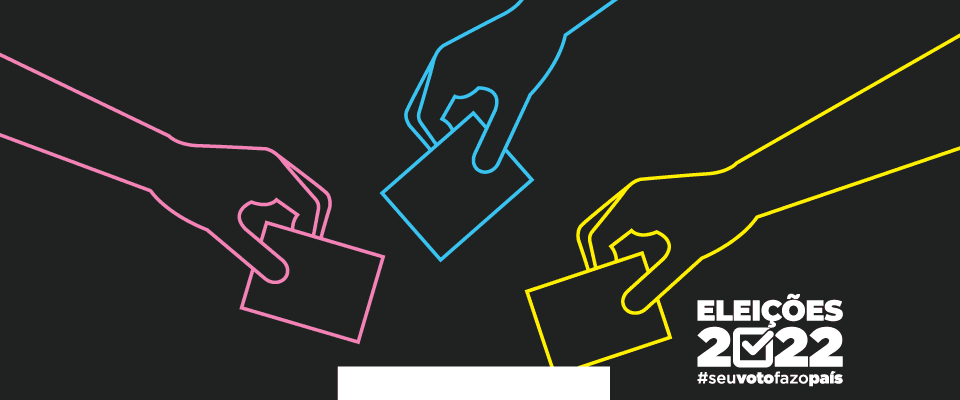
Wykorzystanie budżetu państwowego w wysokości 800 milionów £: mechanika reklamy za wyborami generalnymi w Brazylii w 2022 roku

Dowiedz się, co sprawia, że brazylijskie wybory są tak interesujące oraz jak kandydaci polityczni wykorzystują budżet federalny na reklamy wyborcze w wysokości 800 milionów funtów

Author

Cape.io

Author

Cape.io

To zostało pierwotnie opublikowane na stronie Peach. Dowiedz się więcej o zmianie marki z Peach na Cape.io.

Wynik wyborów w Brazylii został rozstrzygnięty różnicą nieco ponad 2 milionów głosów, a zwycięzca - Luiz Inácio Lula da Silva - uzyskał 50,9% głosów, podczas gdy Jair Bolsonaro 49,1%. Z historycznym wynikiem już zadecydowanym, nasz własny Henry Northcote, Wiceprezes LATAM, i Fabio Brancatelli, Manager Krajowy rozkładają na części, jak działają wybory brazylijskie i jak reklama działa w całym intensywnym cyklu wyborczym. Tutaj wyjaśniają proces finansowania oraz ile wydaje największa gospodarka Ameryki Łacińskiej na reklamy polityczne. 

Jak Działają Wybory w Brazylii

Zacznijmy od tła. System wyborczy w Brazylii jest dla osób spoza regionu nieco zagadką. Trudno jest znaleźć inny system wyborczy, który całkowicie przypominałby brazylijski. Przedstawiciele rządów federalnych, stanowych i samorządowych są wybierani poprzez głosowanie bezpośrednie/popularne.

Dla stanowisk prezydenta, gubernatorów i burmistrzów decyzja może zapaść w pierwszej lub drugiej turze. Nie ma drugiej tury dla stanowisk senatora, posła czy radnego. W tych przypadkach wygrywa kandydat z największą liczbą głosów w pierwszej turze. Ostatecznie, aby kandydat mógł zostać wybrany w pierwszej turze, konieczne jest uzyskanie 50% + 1 ważnych głosów. Ciekawym elementem jest to, że głosowanie w Brazylii jest obowiązkowe dla osób w wieku od 18 do 70 lat. System obowiązkowego głosowania oznacza, że liczba głosujących w pierwszej turze może sięgnąć aż 120 milionów. Takie liczby czynią go czwartym co do wielkości demokratycznym procesem na świecie. Tylko osoby w wieku 16-17 lat oraz powyżej 70 lat mogą uniknąć obowiązku głosowania, jeśli sobie tego życzą. 

Wszystkie głosy są liczone cyfrowo, aby dostarczyć wyniki tego samego dnia.  

Budżety Wyborcze

Fundusz wyborczy w Brazylii jest określony ustawą federalną i pochodzi z budżetu Unii. Jest on następnie przydzielany do partii politycznych oficjalnie zarejestrowanych w Najwyższej Komisji Wyborczej - organie odpowiedzialnym za wzmacnianie brazylijskiej demokracji. Pula na reklamy wyborcze wynosi £800 milionów. Jestem pewien, że zastanawiasz się, jak to jest rozdzielane. 

Oto jak wygląda podział: 

  • 2% jest rozdzielane równo między wszystkie partie.

  • 98% jest dzielone na podstawie reprezentacji w Kongresie, według następujących zasad:

    • 35% jest równo dzielone między partie, które miały co najmniej jednego kandydata wybranego w poprzednich wyborach;

    • 48% jest rozdzielane proporcjonalnie do liczby kandydatów z każdej partii w Izbie Deputowanych;

    • 15% jest dzielone na podstawie liczby kandydatów z każdej partii w Senacie.

Demokracja jest niezwykle ważna dla Brazylijczyków; jest to pokazane faktem, że jest zapisana w prawie wyborczym, że partie nie mogą przyjmować darowizn od korporacji. Działa to jako środek antykorupcyjny; chociaż możliwe jest otrzymywanie darowizn od osób fizycznych.

Przewaga Reklam Wyborczych  

Od września 2022 roku inwestycje w reklamy polityczne przekroczyły 1 miliard reali brazylijskich  (£172 miliony). Rozpowszechnianie wszystkich materiałów reklamowych musi być skompresowane do stosunkowo małego okna czasowego ze względu na regulacje, które są w miejscu. Oznacza to, że między sierpniem a październikiem roku wyborczego to jedyny czas, kiedy mogą być one używane. 

W poprzednich latach jednym z głównych formatów rozpowszechniania informacji była telewizja. Pomimo że linearna telewizja nadal jest ważnym narzędziem, biorąc pod uwagę skalę kraju, zaobserwowaliśmy również wzrost popularności platform społecznościowych, co wcześniej nie miało miejsca. Był to interesujący zwrot wydarzeń, biorąc pod uwagę, że wcześniej prawo wyborcze pozwalało jedynie na korzystanie z TV i radia jako środka masowej komunikacji. Reklamodawcy i marketerzy musieli uwzględniać te informacje i podejmować decyzje dotyczące wydatków. 

Przed 2018 rokiem wszystkie reklamy polityczne były dostarczane do nadawców na taśmach, ponieważ takie były przepisy. Dostarczanie fizycznych taśm do 400 nadawców - i krytycznie, na czas - było niezwykle trudne, a przegapienie terminu oznaczało, że stacja nie miała obowiązku emitować reklamy. Po długim procesie obejmującym wszystkie 27 brazylijskich stanów, reklamy są teraz dostarczane cyfrowo, co jest ogromną zmianą w tym, jak rzeczy się odbywają. To również przedstawiało nowe wyzwania, takie jak zapewnienie, że każda Reklama miała informacje o dostępności. To wymagało stworzenia wielu nowych przepływów pracy, aby reklamy we właściwym formacie i w odpowiednich specyfikacjach były dostarczane na czas. 

Statystyki pokazują nam, że w porównaniu do 2018 roku, liczba reklam wyborczych w TV i radiu stale maleje - obecnie wynosi o 15% mniej. Już teraz wydatki na reklamy online podwoiły się w porównaniu do poprzednich wyborów. 

Jako że wiele gwiazd zaczyna przenosić się do polityki, ich obecność online jest czymś, co ułatwia ich popularność podczas wyborów. Możemy to zaobserwować na przykładzie ponownie wybranego deputowanego federalnego Tiririci, który pierwotnie był komikiem. Tiririca korzysta z platform internetowych, aby zamieszczać jingle, korzystając z popularności, jaką obecność online teraz przynosi. 

Po decyzji wyborczej, będzie interesujące zobaczyć, jaki wpływ miały kampanie reklamowe na wyniki jako całość. Tylko poprzez analizę tego będziemy mogli ustalić, jaki jest prawdziwy wpływ tej pracy i czy niewiarygodne wydatki są uzasadnione. 

Aktualności

Bądź na bieżąco z trendami

Ciekawy najnowszych trendów w marketingu i reklamie?
Zapisz się do naszego miesięcznego biuletynu Promarketers.

18 mar 2026

No more chocolate at breakfast? Navigating the new LHF ad rules this Easter

As ad compliance requirements evolve in 2026, UK confectionery brands face new restrictions on less healthy food (LHF) advertising. With the January 5 watershed now in effect, ad quality assurance systems must validate timing, placement, and product identifiability to avoid clearance failures this Easter season.

16 mar 2026

The future of inclusion: How Cape.io powered Virgin Media Television’s fully accessible ad break during the Men’s Six Nations

As Channel 4’s closed-captioning mandate came into effect in March 2026, Cape.io partnered with Virgin Media Television, Omnicom Media Group and VoiceBox to deliver a truly accessible ad break during the Guinness Men’s Six Nations. More than ad compliance, this moment proved that accessibility can operate at the highest level of live sports broadcasting.

27 lut 2026

Navigating Channel 4’s 2026 closed caption mandate

As ad compliance requirements tighten across the UK and Europe, closed captioning has evolved from an accessibility checkbox to a strategic necessity. Whether you're managing CTV campaigns or social media creative, automated ad testing for caption quality is no longer optional - it's fundamental to reaching today's fragmented, multi-screen audiences.

The advertising landscape is facing a seismic shift. By March 1, Channel 4 will become the first UK broadcaster to mandate closed captions across all advertising - including linear TV, streaming, and sponsorships.

The mandate is  a redefined standard for global inclusivity. Here is everything you need to know about the new mandate and how to stay ahead of the curve.

26 lut 2026

One platform, many realities: How creative automation platforms resolve the global vs. local tension

Scaling global marketing without losing local relevance requires more than brand guidelines and templates - it requires a creative automation platform designed for both global control and local flexibility. Most systems optimize for standardization, but scaling ad creative production across markets demands architecture that enables creative variation and adaptation by local experts without fragmenting brand governance.

Many global advertisers are chasing the same ideal: scale without losing relevance.

Consistency without uniformity.
Efficiency without bureaucracy.

It sounds simple. In practice, it’s one of the hardest tensions to resolve in modern marketing.

The global vs. local challenge isn’t new, but it’s becoming more urgent. As brands expand across markets, channels, and cultures, the question is no longer whether you should scale globally, but how you do so without erasing the nuance that makes marketing effective in the first place.

Everyone is looking for this balance. Very few get it right.

11 lut 2026

EPTVI Initiative launches Stage Two to help programmatic TV scale across Europe’s largest advertising markets

Broadcasters, streamers, agencies and ad tech companies including Google Ad Manager, Equativ, Adform, LiveRamp, The Trade Desk, FreeWheel and Cape.io begin work on practical solutions to reduce complexity and speed up adoption.

4 lut 2026

The guardrails of growth: Why creative intelligence demands compliance

Generative AI can produce thousands of creative variants, but most compliance systems are still manual, fragmented, and reactive, unable to keep pace with today’s velocity. To move fast without breaking things, the industry needs a new approach: real-time verification, programmatic enforcement, and end-to-end visibility. Embedded inside the stack, not bolted on at the end.

Aktualności

Bądź na bieżąco z trendami

Ciekawy najnowszych trendów w marketingu i reklamie?
Zapisz się do naszego miesięcznego biuletynu Promarketers.

18 mar 2026

No more chocolate at breakfast? Navigating the new LHF ad rules this Easter

As ad compliance requirements evolve in 2026, UK confectionery brands face new restrictions on less healthy food (LHF) advertising. With the January 5 watershed now in effect, ad quality assurance systems must validate timing, placement, and product identifiability to avoid clearance failures this Easter season.

16 mar 2026

The future of inclusion: How Cape.io powered Virgin Media Television’s fully accessible ad break during the Men’s Six Nations

As Channel 4’s closed-captioning mandate came into effect in March 2026, Cape.io partnered with Virgin Media Television, Omnicom Media Group and VoiceBox to deliver a truly accessible ad break during the Guinness Men’s Six Nations. More than ad compliance, this moment proved that accessibility can operate at the highest level of live sports broadcasting.

27 lut 2026

Navigating Channel 4’s 2026 closed caption mandate

As ad compliance requirements tighten across the UK and Europe, closed captioning has evolved from an accessibility checkbox to a strategic necessity. Whether you're managing CTV campaigns or social media creative, automated ad testing for caption quality is no longer optional - it's fundamental to reaching today's fragmented, multi-screen audiences.

The advertising landscape is facing a seismic shift. By March 1, Channel 4 will become the first UK broadcaster to mandate closed captions across all advertising - including linear TV, streaming, and sponsorships.

The mandate is  a redefined standard for global inclusivity. Here is everything you need to know about the new mandate and how to stay ahead of the curve.

26 lut 2026

One platform, many realities: How creative automation platforms resolve the global vs. local tension

Scaling global marketing without losing local relevance requires more than brand guidelines and templates - it requires a creative automation platform designed for both global control and local flexibility. Most systems optimize for standardization, but scaling ad creative production across markets demands architecture that enables creative variation and adaptation by local experts without fragmenting brand governance.

Many global advertisers are chasing the same ideal: scale without losing relevance.

Consistency without uniformity.
Efficiency without bureaucracy.

It sounds simple. In practice, it’s one of the hardest tensions to resolve in modern marketing.

The global vs. local challenge isn’t new, but it’s becoming more urgent. As brands expand across markets, channels, and cultures, the question is no longer whether you should scale globally, but how you do so without erasing the nuance that makes marketing effective in the first place.

Everyone is looking for this balance. Very few get it right.

11 lut 2026

EPTVI Initiative launches Stage Two to help programmatic TV scale across Europe’s largest advertising markets

Broadcasters, streamers, agencies and ad tech companies including Google Ad Manager, Equativ, Adform, LiveRamp, The Trade Desk, FreeWheel and Cape.io begin work on practical solutions to reduce complexity and speed up adoption.

4 lut 2026

The guardrails of growth: Why creative intelligence demands compliance

Generative AI can produce thousands of creative variants, but most compliance systems are still manual, fragmented, and reactive, unable to keep pace with today’s velocity. To move fast without breaking things, the industry needs a new approach: real-time verification, programmatic enforcement, and end-to-end visibility. Embedded inside the stack, not bolted on at the end.

Aktualności

Bądź na bieżąco z trendami

Ciekawy najnowszych trendów w marketingu i reklamie?
Zapisz się do naszego miesięcznego biuletynu Promarketers.

18 mar 2026

No more chocolate at breakfast? Navigating the new LHF ad rules this Easter

As ad compliance requirements evolve in 2026, UK confectionery brands face new restrictions on less healthy food (LHF) advertising. With the January 5 watershed now in effect, ad quality assurance systems must validate timing, placement, and product identifiability to avoid clearance failures this Easter season.

16 mar 2026

The future of inclusion: How Cape.io powered Virgin Media Television’s fully accessible ad break during the Men’s Six Nations

As Channel 4’s closed-captioning mandate came into effect in March 2026, Cape.io partnered with Virgin Media Television, Omnicom Media Group and VoiceBox to deliver a truly accessible ad break during the Guinness Men’s Six Nations. More than ad compliance, this moment proved that accessibility can operate at the highest level of live sports broadcasting.

27 lut 2026

Navigating Channel 4’s 2026 closed caption mandate

As ad compliance requirements tighten across the UK and Europe, closed captioning has evolved from an accessibility checkbox to a strategic necessity. Whether you're managing CTV campaigns or social media creative, automated ad testing for caption quality is no longer optional - it's fundamental to reaching today's fragmented, multi-screen audiences.

The advertising landscape is facing a seismic shift. By March 1, Channel 4 will become the first UK broadcaster to mandate closed captions across all advertising - including linear TV, streaming, and sponsorships.

The mandate is  a redefined standard for global inclusivity. Here is everything you need to know about the new mandate and how to stay ahead of the curve.

26 lut 2026

One platform, many realities: How creative automation platforms resolve the global vs. local tension

Scaling global marketing without losing local relevance requires more than brand guidelines and templates - it requires a creative automation platform designed for both global control and local flexibility. Most systems optimize for standardization, but scaling ad creative production across markets demands architecture that enables creative variation and adaptation by local experts without fragmenting brand governance.

Many global advertisers are chasing the same ideal: scale without losing relevance.

Consistency without uniformity.
Efficiency without bureaucracy.

It sounds simple. In practice, it’s one of the hardest tensions to resolve in modern marketing.

The global vs. local challenge isn’t new, but it’s becoming more urgent. As brands expand across markets, channels, and cultures, the question is no longer whether you should scale globally, but how you do so without erasing the nuance that makes marketing effective in the first place.

Everyone is looking for this balance. Very few get it right.

11 lut 2026

EPTVI Initiative launches Stage Two to help programmatic TV scale across Europe’s largest advertising markets

Broadcasters, streamers, agencies and ad tech companies including Google Ad Manager, Equativ, Adform, LiveRamp, The Trade Desk, FreeWheel and Cape.io begin work on practical solutions to reduce complexity and speed up adoption.

4 lut 2026

The guardrails of growth: Why creative intelligence demands compliance

Generative AI can produce thousands of creative variants, but most compliance systems are still manual, fragmented, and reactive, unable to keep pace with today’s velocity. To move fast without breaking things, the industry needs a new approach: real-time verification, programmatic enforcement, and end-to-end visibility. Embedded inside the stack, not bolted on at the end.

Skontaktuj się

Pokażemy Ci, co Cape.io może zrobić.

Intelligent Campaign Automation

Cape.io łączy się z Twoim DAM, serwerami reklam, DSP, narzędziami do zarządzania przepływem pracy i nie tylko, więc nie musisz wymieniać ani zastępować.

© 2025 Cape.io. Wszelkie prawa zastrzeżone

Polski

Skontaktuj się

Pokażemy Ci, co Cape.io może zrobić.

Intelligent Campaign Automation

Cape.io łączy się z Twoim DAM, serwerami reklam, DSP, narzędziami do zarządzania przepływem pracy i nie tylko, więc nie musisz wymieniać ani zastępować.

© 2025 Cape.io. Wszelkie prawa zastrzeżone

Polski

Skontaktuj się

Pokażemy Ci, co Cape.io może zrobić.

Intelligent Campaign Automation

Cape.io łączy się z Twoim DAM, serwerami reklam, DSP, narzędziami do zarządzania przepływem pracy i nie tylko, więc nie musisz wymieniać ani zastępować.

© 2025 Cape.io. Wszelkie prawa zastrzeżone

Polski