9 choses que vous ne savez peut-être pas sur Addressable

Savez-vous vraiment comment fonctionne la télévision ciblée ? Nous avons rassemblé des informations provenant des experts du secteur qui pourraient bien vous surprendre. 
Author

Cape.io

Author

Cape.io

Ce post a été publié à l'origine sur les blogs d'IMD et Honeycomb. Découvrez plus sur le rebranding de Peach à Cape.io.

Addressable n’est pas la chose la plus facile à comprendre et suivre le jargon de l'industrie peut être délicat. Alors, nous avons demandé à quelques experts de partager les choses que vous devez vraiment connaître.

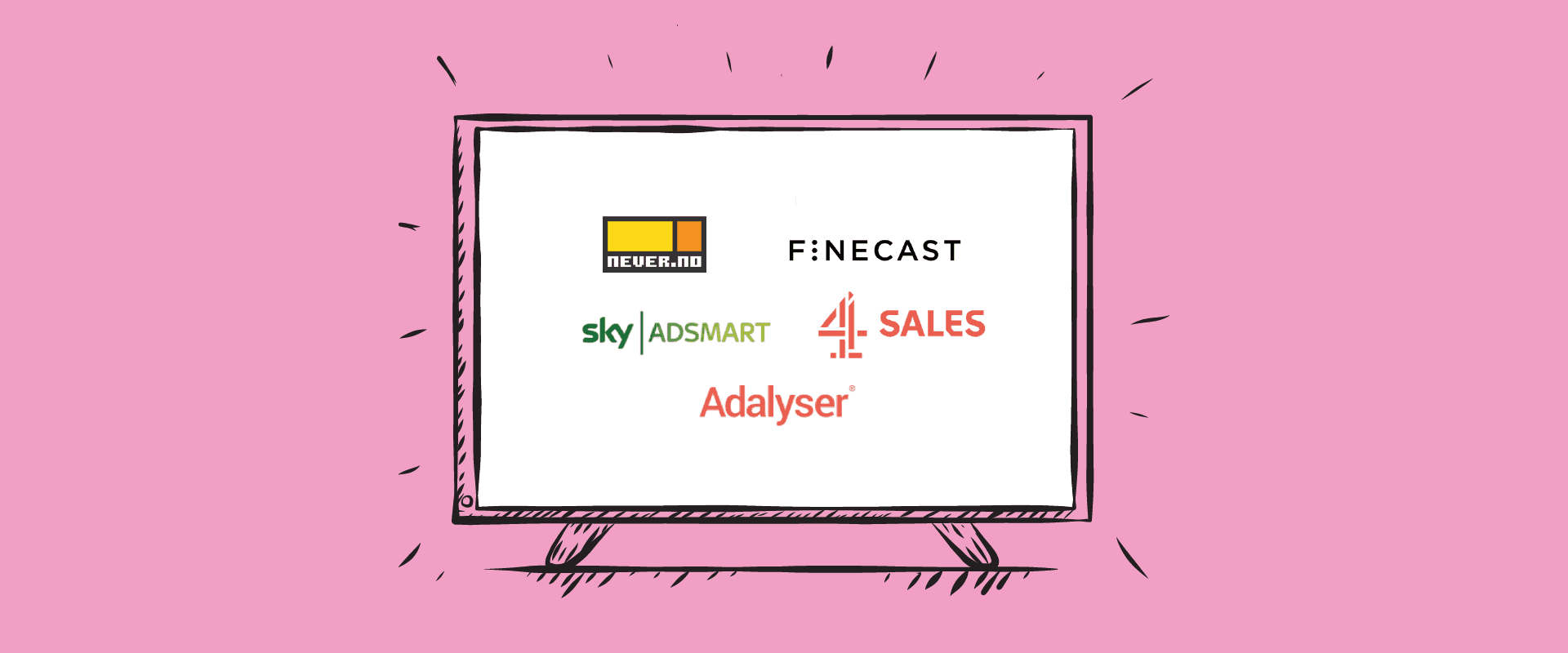
Never.no PDG, Scott Davies ; Chief Product Officer de Peach, Doug Conely, Rebecca Hill, Group Digital Manager chez Channel 4, et Responsable de Sky AdSmart Local & Développement chez Sky Media, David Sanderson partagent leur sagesse...

Le ciblage ne concerne pas seulement les personnes

Le ciblage ne signifie pas seulement se concentrer sur un individu ou un groupe, il peut également être question de cibler la pertinence du contenu par rapport au jour/situation/événements. - Scott Davies, Never.no

Vous pouvez être vraiment spécifique

Il y a une différence entre le ciblage au niveau du ménage (il y a plusieurs appareils dans un ménage et plusieurs membres du ménage que vous pouvez diffuser, mais vous pourriez ne pas savoir qui regarde chaque publicité), le ciblage au niveau de l'appareil (vous savez que c'est une certaine télévision, ordinateur portable, tablette, ou mobile qui diffuse la publicité, mais vous ne savez pas quel utilisateur, c'est juste une supposition), et le ciblage individuel (l'utilisateur est connecté donc, tant que le même utilisateur connecté est celui qui regarde, vous pouvez utiliser des données individualisées anonymisées) - Doug Conely,  Group IMD

Ça existe depuis plus longtemps que vous ne le pensez

La télévision addressable existe déjà et ce depuis un certain temps grâce à VOD. 60 % de la visualisation All 4 se fait sur le grand écran et est 100 % addressable. - Rebecca Hill, Channel 4

C'est étonnamment abordable

Les coûts des campagnes TV ciblées commencent à partir de 3000 £. - David Sanderson, Sky Adsmart

Ça changera la façon dont les publicités télévisées sont achetées

La télévision addressable sera de plus en plus achetée à travers de nouveaux systèmes d'achat qui sont développés spécifiquement par les propriétaires de médias et les acheteurs de médias. Les deux parties créent de nouvelles options d'achat en libre-service qui ont des analyses d'audience granulaires et des paramètres de ciblage granulaire pour informer les choix d'achat. - Conely

Un peu de prévoyance fait beaucoup

Construire des campagnes ciblées peut sembler être beaucoup de travail de production, cependant il existe des outils pour automatiser les changements pour votre création. De manière importante, développer des créations à l'avance avec la possibilité de changer des éléments tout au long de la campagne, n'a pas à se limiter aux trames finales, plusieurs éléments peuvent être rendus modifiables et peuvent être intégrés dans le créatif final de manière transparente. - Davies

C'est à votre portée

C4 continue d'explorer les routes linéaires en direct addressables avec un certain nombre de fournisseurs de technologie. - Hill

C'est un excellent rapport qualité-prix

La télévision ciblée est payante par vue — mais vous ne payez pas à moins que 75 % du TVC ait été vu. - Sanderson

Vous pouvez atteindre les personnes qui vous tiennent à cœur

La télévision de diffusion peut jouer avec l'heure de la journée, le canal et le voisinage de programmes. Cependant, elle est toujours diffusée à tous les téléspectateurs. La différence avec la télévision addressable est qu'elle a beaucoup plus d'options de données à cibler et le streaming IP permet au propriétaire du média de diffuser à des audiences d'une seule personne s'il le souhaite. - Conely

C'est gagnant-gagnant

Une bonne promotion ciblée utilisera le social et le numérique pour influencer la livraison quotidienne des publicités télévisées, mais les publicités télévisées peuvent également repousser vers des activités numériques en augmentant exponentiellement votre portée et en assurant une intégration complète de la campagne. - Davies

Ça vous donne un pouvoir incroyable (à utiliser à bon escient)

Vous contrôlez combien de fois votre client idéal voit votre publicité télévisée. - Sanderson

Ça pourrait aller dans un sens ou dans l'autre

Personne ne sait si cela sera additif ou cannibalistique. - Hill

Cet article est paru pour la première fois sur Little Black Book.

David Sanderson, Scott Davies, Rebecca Hill et Doug Conely ont été rejoints par Kristian Claxton, Finecast. sur scène lors d'un événement en direct que nous avons produit en 2018. Vous pouvez regarder les présentations ici.


Nouvelles

Anticipez les tendances

Vous êtes curieux des dernières tendances en marketing et publicité ? Abonnez-vous à notre newsletter mensuelle Promarketers.

18 mars 2026

No more chocolate at breakfast? Navigating the new LHF ad rules this Easter

As ad compliance requirements evolve in 2026, UK confectionery brands face new restrictions on less healthy food (LHF) advertising. With the January 5 watershed now in effect, ad quality assurance systems must validate timing, placement, and product identifiability to avoid clearance failures this Easter season.

16 mars 2026

The future of inclusion: How Cape.io powered Virgin Media Television’s fully accessible ad break during the Men’s Six Nations

As Channel 4’s closed-captioning mandate came into effect in March 2026, Cape.io partnered with Virgin Media Television, Omnicom Media Group and VoiceBox to deliver a truly accessible ad break during the Guinness Men’s Six Nations. More than ad compliance, this moment proved that accessibility can operate at the highest level of live sports broadcasting.

27 févr. 2026

Navigating Channel 4’s 2026 closed caption mandate

As ad compliance requirements tighten across the UK and Europe, closed captioning has evolved from an accessibility checkbox to a strategic necessity. Whether you're managing CTV campaigns or social media creative, automated ad testing for caption quality is no longer optional - it's fundamental to reaching today's fragmented, multi-screen audiences.

The advertising landscape is facing a seismic shift. By March 1, Channel 4 will become the first UK broadcaster to mandate closed captions across all advertising - including linear TV, streaming, and sponsorships.

The mandate is  a redefined standard for global inclusivity. Here is everything you need to know about the new mandate and how to stay ahead of the curve.

26 févr. 2026

One platform, many realities: How creative automation platforms resolve the global vs. local tension

Scaling global marketing without losing local relevance requires more than brand guidelines and templates - it requires a creative automation platform designed for both global control and local flexibility. Most systems optimize for standardization, but scaling ad creative production across markets demands architecture that enables creative variation and adaptation by local experts without fragmenting brand governance.

Many global advertisers are chasing the same ideal: scale without losing relevance.

Consistency without uniformity.
Efficiency without bureaucracy.

It sounds simple. In practice, it’s one of the hardest tensions to resolve in modern marketing.

The global vs. local challenge isn’t new, but it’s becoming more urgent. As brands expand across markets, channels, and cultures, the question is no longer whether you should scale globally, but how you do so without erasing the nuance that makes marketing effective in the first place.

Everyone is looking for this balance. Very few get it right.

11 févr. 2026

EPTVI Initiative launches Stage Two to help programmatic TV scale across Europe’s largest advertising markets

Broadcasters, streamers, agencies and ad tech companies including Google Ad Manager, Equativ, Adform, LiveRamp, The Trade Desk, FreeWheel and Cape.io begin work on practical solutions to reduce complexity and speed up adoption.

4 févr. 2026

The guardrails of growth: Why creative intelligence demands compliance

Generative AI can produce thousands of creative variants, but most compliance systems are still manual, fragmented, and reactive, unable to keep pace with today’s velocity. To move fast without breaking things, the industry needs a new approach: real-time verification, programmatic enforcement, and end-to-end visibility. Embedded inside the stack, not bolted on at the end.

Nouvelles

Anticipez les tendances

Vous êtes curieux des dernières tendances en marketing et publicité ? Abonnez-vous à notre newsletter mensuelle Promarketers.

18 mars 2026

No more chocolate at breakfast? Navigating the new LHF ad rules this Easter

As ad compliance requirements evolve in 2026, UK confectionery brands face new restrictions on less healthy food (LHF) advertising. With the January 5 watershed now in effect, ad quality assurance systems must validate timing, placement, and product identifiability to avoid clearance failures this Easter season.

16 mars 2026

The future of inclusion: How Cape.io powered Virgin Media Television’s fully accessible ad break during the Men’s Six Nations

As Channel 4’s closed-captioning mandate came into effect in March 2026, Cape.io partnered with Virgin Media Television, Omnicom Media Group and VoiceBox to deliver a truly accessible ad break during the Guinness Men’s Six Nations. More than ad compliance, this moment proved that accessibility can operate at the highest level of live sports broadcasting.

27 févr. 2026

Navigating Channel 4’s 2026 closed caption mandate

As ad compliance requirements tighten across the UK and Europe, closed captioning has evolved from an accessibility checkbox to a strategic necessity. Whether you're managing CTV campaigns or social media creative, automated ad testing for caption quality is no longer optional - it's fundamental to reaching today's fragmented, multi-screen audiences.

The advertising landscape is facing a seismic shift. By March 1, Channel 4 will become the first UK broadcaster to mandate closed captions across all advertising - including linear TV, streaming, and sponsorships.

The mandate is  a redefined standard for global inclusivity. Here is everything you need to know about the new mandate and how to stay ahead of the curve.

26 févr. 2026

One platform, many realities: How creative automation platforms resolve the global vs. local tension

Scaling global marketing without losing local relevance requires more than brand guidelines and templates - it requires a creative automation platform designed for both global control and local flexibility. Most systems optimize for standardization, but scaling ad creative production across markets demands architecture that enables creative variation and adaptation by local experts without fragmenting brand governance.

Many global advertisers are chasing the same ideal: scale without losing relevance.

Consistency without uniformity.
Efficiency without bureaucracy.

It sounds simple. In practice, it’s one of the hardest tensions to resolve in modern marketing.

The global vs. local challenge isn’t new, but it’s becoming more urgent. As brands expand across markets, channels, and cultures, the question is no longer whether you should scale globally, but how you do so without erasing the nuance that makes marketing effective in the first place.

Everyone is looking for this balance. Very few get it right.

11 févr. 2026

EPTVI Initiative launches Stage Two to help programmatic TV scale across Europe’s largest advertising markets

Broadcasters, streamers, agencies and ad tech companies including Google Ad Manager, Equativ, Adform, LiveRamp, The Trade Desk, FreeWheel and Cape.io begin work on practical solutions to reduce complexity and speed up adoption.

4 févr. 2026

The guardrails of growth: Why creative intelligence demands compliance

Generative AI can produce thousands of creative variants, but most compliance systems are still manual, fragmented, and reactive, unable to keep pace with today’s velocity. To move fast without breaking things, the industry needs a new approach: real-time verification, programmatic enforcement, and end-to-end visibility. Embedded inside the stack, not bolted on at the end.

Nouvelles

Anticipez les tendances

Vous êtes curieux des dernières tendances en marketing et publicité ? Abonnez-vous à notre newsletter mensuelle Promarketers.

18 mars 2026

No more chocolate at breakfast? Navigating the new LHF ad rules this Easter

As ad compliance requirements evolve in 2026, UK confectionery brands face new restrictions on less healthy food (LHF) advertising. With the January 5 watershed now in effect, ad quality assurance systems must validate timing, placement, and product identifiability to avoid clearance failures this Easter season.

16 mars 2026

The future of inclusion: How Cape.io powered Virgin Media Television’s fully accessible ad break during the Men’s Six Nations

As Channel 4’s closed-captioning mandate came into effect in March 2026, Cape.io partnered with Virgin Media Television, Omnicom Media Group and VoiceBox to deliver a truly accessible ad break during the Guinness Men’s Six Nations. More than ad compliance, this moment proved that accessibility can operate at the highest level of live sports broadcasting.

27 févr. 2026

Navigating Channel 4’s 2026 closed caption mandate

As ad compliance requirements tighten across the UK and Europe, closed captioning has evolved from an accessibility checkbox to a strategic necessity. Whether you're managing CTV campaigns or social media creative, automated ad testing for caption quality is no longer optional - it's fundamental to reaching today's fragmented, multi-screen audiences.

The advertising landscape is facing a seismic shift. By March 1, Channel 4 will become the first UK broadcaster to mandate closed captions across all advertising - including linear TV, streaming, and sponsorships.

The mandate is  a redefined standard for global inclusivity. Here is everything you need to know about the new mandate and how to stay ahead of the curve.

26 févr. 2026

One platform, many realities: How creative automation platforms resolve the global vs. local tension

Scaling global marketing without losing local relevance requires more than brand guidelines and templates - it requires a creative automation platform designed for both global control and local flexibility. Most systems optimize for standardization, but scaling ad creative production across markets demands architecture that enables creative variation and adaptation by local experts without fragmenting brand governance.

Many global advertisers are chasing the same ideal: scale without losing relevance.

Consistency without uniformity.
Efficiency without bureaucracy.

It sounds simple. In practice, it’s one of the hardest tensions to resolve in modern marketing.

The global vs. local challenge isn’t new, but it’s becoming more urgent. As brands expand across markets, channels, and cultures, the question is no longer whether you should scale globally, but how you do so without erasing the nuance that makes marketing effective in the first place.

Everyone is looking for this balance. Very few get it right.

11 févr. 2026

EPTVI Initiative launches Stage Two to help programmatic TV scale across Europe’s largest advertising markets

Broadcasters, streamers, agencies and ad tech companies including Google Ad Manager, Equativ, Adform, LiveRamp, The Trade Desk, FreeWheel and Cape.io begin work on practical solutions to reduce complexity and speed up adoption.

4 févr. 2026

The guardrails of growth: Why creative intelligence demands compliance

Generative AI can produce thousands of creative variants, but most compliance systems are still manual, fragmented, and reactive, unable to keep pace with today’s velocity. To move fast without breaking things, the industry needs a new approach: real-time verification, programmatic enforcement, and end-to-end visibility. Embedded inside the stack, not bolted on at the end.

Prendre contact

Découvrez tout ce que Cape.io peut faire pour vous

Automatisation Intelligente des Campagnes

Cape.io connecte votre équipe, votre DAM, vos ad servers, vos DSP et vos autres outils, sans qu’il soit nécessaire de tout remplacer

© 2025 Cape.io. Tous droits réservés

Français

Prendre contact

Découvrez tout ce que Cape.io peut faire pour vous

Automatisation Intelligente des Campagnes

Cape.io connecte votre équipe, votre DAM, vos ad servers, vos DSP et vos autres outils, sans qu’il soit nécessaire de tout remplacer

© 2025 Cape.io. Tous droits réservés

Français

Prendre contact

Découvrez tout ce que Cape.io peut faire pour vous

Automatisation Intelligente des Campagnes

Cape.io connecte votre équipe, votre DAM, vos ad servers, vos DSP et vos autres outils, sans qu’il soit nécessaire de tout remplacer

© 2025 Cape.io. Tous droits réservés

Français