Non hai un problema di AI. Hai un problema di fiducia.
A ogni marketer viene venduta l'intelligence. Ma l'intelligence senza responsabilità è solo rumore su larga scala. Ecco qual è la vera domanda.

La tua casella di posta è invasa da questo argomento ormai da due anni. Questo basato sull'AI. Quell'altro basato sull'automazione intelligente. Ogni piattaforma promette di pensare al tuo posto, scalare al tuo posto, decidere al tuo posto. Eppure sei ancora qui a controllare manualmente i feed alle 23:00 prima di un lancio, ad analizzare i risultati tre settimane dopo la fine della campagna, a chiederti ancora perché la versione andata online non sia quella approvata. Gli strumenti sono diventati più intelligenti. L'ansia non è svanita. Non è una coincidenza. È un segnale.
Ci si può davvero fidare dell'automazione?
La domanda che ogni CMO, direttore creativo e responsabile delle performance si pone silenziosamente non è "come posso automatizzare di più?" È piuttosto: "Ci si può davvero fidare dell'esecuzione automatica delle campagne affinché funzioni su larga scala senza interruzioni?"
Al momento, la risposta onesta in tutto il mercato è no. I feed si interrompono a metà campagna, si verificano lacune di conformità dopo la spesa e i sistemi non riescono a imparare da ciò che è appena accaduto. Questo è il problema di fiducia della categoria, ed è esattamente il problema che siamo nati per risolvere. Abbiamo reso la fiducia il prodotto, non una funzionalità. È la precondizione assoluta per l'automazione intelligente delle campagne.
Il vero costo degli errori
Pensa a cosa si rompe davvero. Raramente si tratta di un fallimento grande e visibile. È il feed che si svuota silenziosamente per sei ore in un giorno di picco delle vendite. È la creatività pubblicata in un mercato per il quale non era mai stata autorizzata. È la versione dell'asset che era corretta al 98%, e quel 2% ti costa la relazione con il cliente.
L'impatto sul budget è reale. Il danno al brand è reale. Ma il costo più profondo è l'effetto che ha sulle persone che svolgono il lavoro. Quando non puoi fidarti dei tuoi sistemi, compensi con la vigilanza umana. Aggiungi checklist su checklist. Duplichi gli sforzi. Assumi persone per gestire l'ansia anziché per il pensiero creativo.
La tassa nascosta
Il vero costo della non conformità non è solo la multa o il ritiro della campagna. È la cultura che si sviluppa attorno alla paura di sbagliare: i livelli di revisione manuale, la paralisi da approvazione, l'avversione al rischio creativo che lentamente svuota di valore il lavoro. Questa è la tassa che la maggior parte delle organizzazioni paga senza mai vederla in una voce di spesa.
Cosa richiede effettivamente l'intelligenza
Il punto fondamentale quando si afferma di essere intelligenti è questo: bisogna meritarselo. E lo si merita su quattro fronti:
01: Gestisce le campagne in modo più efficiente
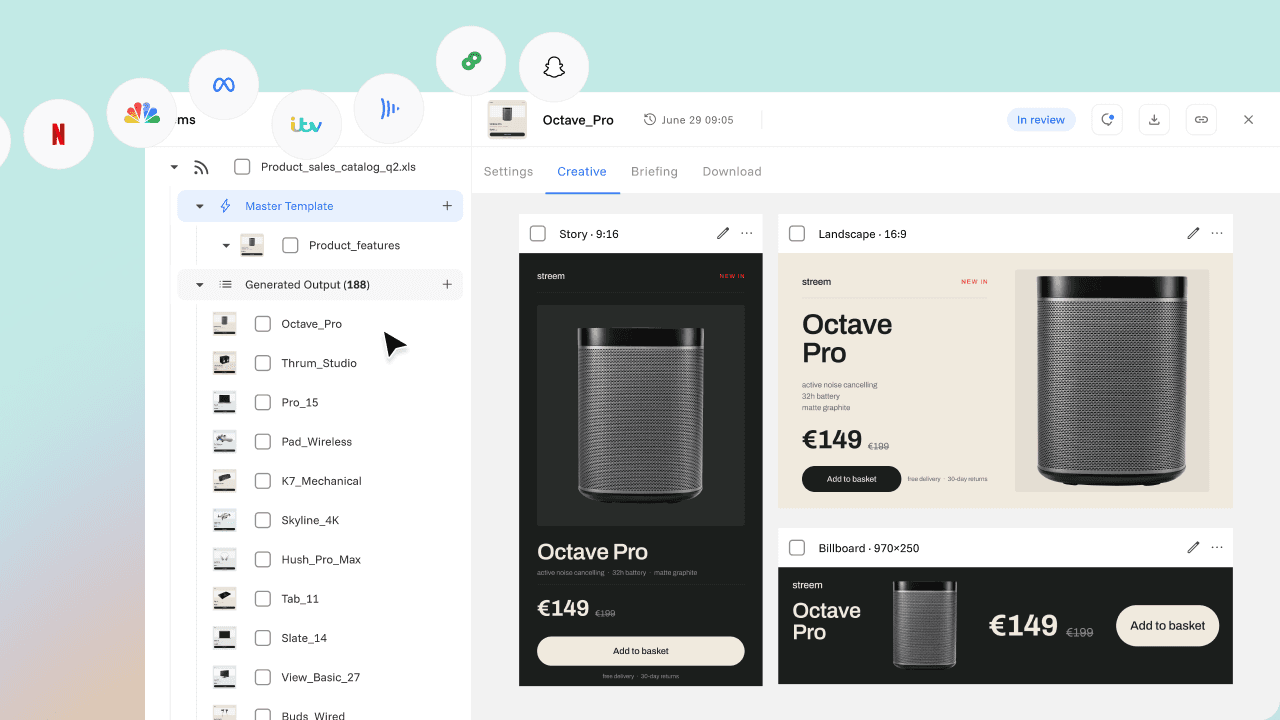
Sbloccando velocità e scala che creano una reale capacità per il tuo team, non un'automazione che si limita a creare una nuova categoria di lavoro di Garanzia di qualità.
02: Individua i problemi di conformità prima della pubblicazione
Integrando pre-test, integrità dei feed e governance del brand direttamente nel flusso di lavoro, invece di affidarsi a dashboard che ti dicono cosa è andato storto dopo che il budget è già stato speso.
03: Chiude il ciclo di feedback
Fornendo segnali istantanei, non analisi a posteriori. Un'intelligenza di campagna che risponde sul momento.
04: Consolida le decisioni sulla base della tua stessa storia
Un'ottimizzazione basata sui tuoi modelli, sul tuo pubblico e sulla storia delle tue performance, in modo che ogni campagna diventi più precisa quanto più a lungo utilizzi il sistema.
La maggior parte delle piattaforme offre uno o due di questi aspetti. E la chiamano intelligenza. Non lo è. L'intelligenza si manifesta quando tutti e quattro lavorano insieme e quando l'intero sistema si colloca all'interno di una cultura della fiducia che spinge le persone a volerlo usare, anziché a cercare di aggirarlo.
Perché la nostra intelligenza è reale, non teorica
In che modo possiamo rendere tutto questo reale quando altri non ci riescono? Grazie alla nostra eredità nel settore delle trasmissioni televisive (lineari + IPTV). Abbiamo vissuto sulla nostra pelle fallimenti di compliance, normative severe e interruzioni di feed su scala globale per quasi tre decenni. Sappiamo esattamente cosa comporta una campagna vuota per un brand e per un budget. Questa storia è il nostro fossato strutturale. È ciò che rende la nostra intelligenza reale, testata sul campo e costruita per le grandi aziende.
La persona per cui stai progettando è cambiata
Sta emergendo un ruolo che non ha ancora una definizione precisa. È il direttore creativo in grado di leggere un report sulle performance senza bisogno di traduzione. È il media planner che ha opinioni sul copy. È il responsabile delle performance che si preoccupa sinceramente della qualità della creatività che sta ottimizzando.
Chiamalo ingegnere creativo. Scienziato creativo. Qualunque sarà il titolo finale, è già presente nella tua organizzazione ed è frustrato. È frustrato perché gli strumenti che utilizza sono stati costruiti per specialisti che lavorano in compartimenti stagni. La piattaforma creativa non comunica con il livello di attivazione. Il Controllo di conformità avviene dopo la creazione. I dati sulle performance risiedono in un luogo che il team creativo non consulta mai. La convergenza è reale. L'infrastruttura per supportarla, nella maggior parte dei casi, non lo è ancora.
Due idee da prendere sul serio
Ci sono due concetti verso i quali il settore dovrebbe muoversi. Nessuno dei due esiste ancora pienamente, ma entrambi indicano una direzione importante.
Un numero che significa davvero qualcosa: CAPE.IO SCORE™
Immagina una misurazione dell'intelligenza delle campagne simile all'NPS: un punteggio unico che racchiude lo stato di conformità, la brand safety, la prontezza delle performance, l'integrità dei feed e la maturità dell'ottimizzazione. Non una dashboard a semaforo. Un numero che si consolida nel tempo, attorno al quale il tuo team può riunirsi e che un cliente può comprendere a colpo d'occhio. L'analogia più vicina nel marketing è il tracciamento della salute del brand, con la differenza che questo si aggiornerebbe quasi in tempo reale e ti direbbe cosa fare, non solo come stai andando.
Il ciclo di intelligenza di campagna autoconsolidante
Creare e convalidare ➔ Attivare su varie destinazioni ➔ Acquisire segnali di performance ➔ Affinare il modello.
Le piattaforme che vinceranno tra cinque anni non saranno quelle con l'algoritmo più intelligente. Saranno quelle in cui ogni campagna migliorerà la successiva. Quelle in cui i tuoi dati storici saranno una risorsa attiva, non un cimitero di PDF in una cartella condivisa. Quelle in cui l'aggiunta di una nuova destinazione o integrazione non costringerà a ripartire da zero, ma sbloccherà un nuovo livello di ottimizzazione cross-canale che si consoliderà su tutto ciò che hai già costruito. Questa non è una funzionalità. È un modello di business dell'intelligenza completamente diverso.
Il punto d'incontro tra creazione e ottimizzazione
La categoria che conta non è solo l'Automazione creativa, e non è solo l'ottimizzazione dei media. Noi ci posizioniamo esattamente nel punto d'incontro tra le due, ed è proprio questo il fulcro. La mitigazione del rischio e le decisioni creative intelligenti sono due facce della stessa medaglia. Questo non è un problema di posizionamento; è il nostro punto di forza.
La mitigazione del rischio e la qualità creativa non sono opposti. Un contenuto creativo conforme, sicuro per il brand e pre-testato non è la versione annacquata del progetto. È la versione sicura. Quella che va online senza che nessuno debba controllare il telefono a mezzanotte. Quella che un cliente approva con convinzione perché il processo che l'ha prodotta gli dà ottime ragioni per fidarsi.
Questo è il cambiamento. Dall'automazione come strumento di produzione all'intelligenza come vantaggio competitivo. La differenza non risiede nella tecnologia. Sta nell'infrastruttura di fiducia sottostante e nel fatto se la piattaforma che utilizzi si sia guadagnata o meno il diritto di definirsi intelligente.
La domanda non è se utilizzare l'intelligence di campagna. È se la tua ha guadagnato la tua fiducia.

Categoria