良いこと、悪いこと、そして遅延:ブランドと広告配信における課題

クリント・イーストウッドでさえ直面したくない対立

Author

Cape.io

Author

Cape.io

これは元々Peachのウェブサイトに投稿されました。PeachからCape.ioへのリブランドについてもっと知るこちら

ブランドは、競合他社の製品やサービスよりも自身の製品やサービスを選んでもらうために強力な広告に多くの時間、お金、労力を投入しています。しかし、彼らの支出が効果的かを理解する必要性は、30%の広告主が2023年の予算を削減したと報告しているように、これまで以上に重要になっています。ブランドは、限られた支出が無駄にならなかったことを確認する必要があります。 

しかし、今日の広告主は、動画コンテンツを管理し、その成功を測る能力に影響を及ぼすマーケティングキャンペーンにおいて多くの課題に直面しています。 


断片化されたシステムとデータソース

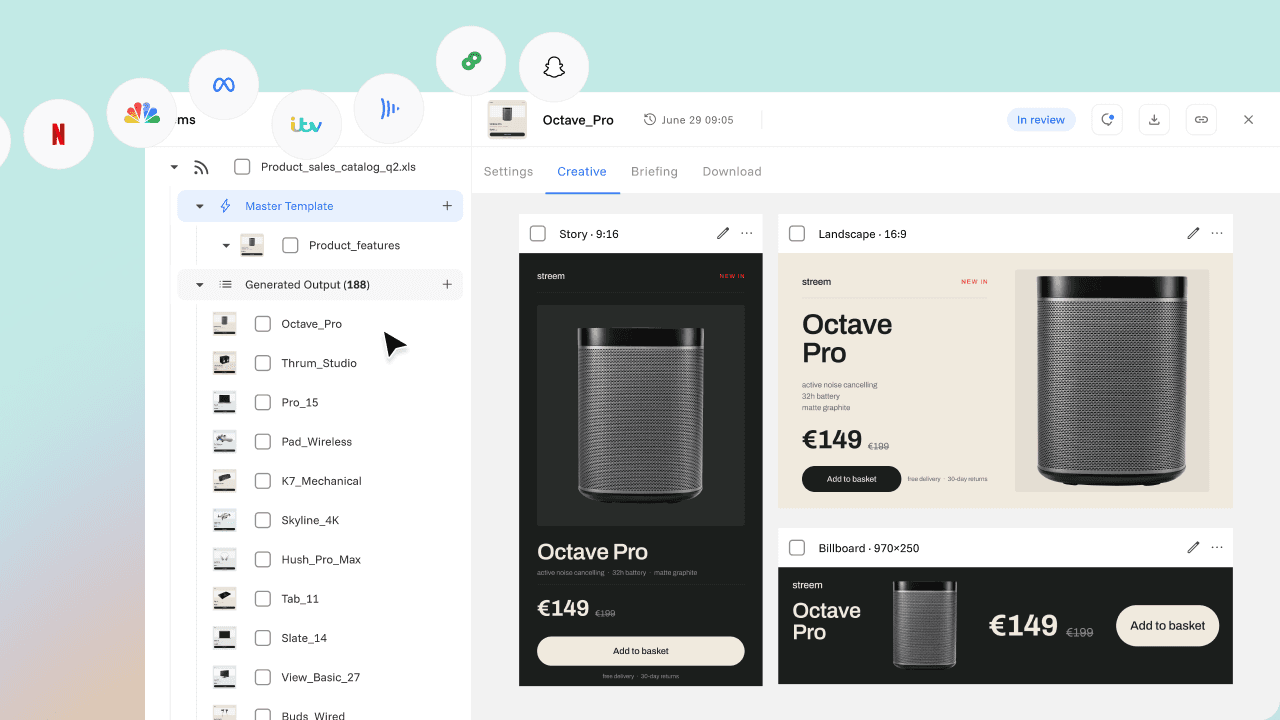
大手ブランドは、グローバルに様々な代理店やパートナーを利用して別々の目的地に広告を届けます。この配信プロセスは、市場や同じ市場内の異なるチーム間で異なる可能性があります。 

例えば、ある市場ではTV広告は手動でアップロードされ、デジタルはメールやダウンロードリンク、あるいはWetransferで送信されるかもしれません。別の市場では、TV広告は一つの代理店によって、デジタルは別の代理店によって管理されるかもしれません。 

これは、利害関係者間に不幸なサイロを生み出し、一貫したデータを得るための明確な監査証跡を持ちにくくするため、大きな問題です。

それでは、ブランドがどのようにして世界中の代理店から一貫したデータと情報を得ているのでしょうか?その答えは簡単で、代理店スタッフの多くの精神的能力に依存しています。命名規則を導入し、新しい入門者には重いオンボーディング、多くの手動データエクスポートで結果を取得します。が、それでも正確性を保証しません。 

標準化された自動化プロセスの欠如により、ブランドは自らのパフォーマンスを包括的に把握し、データ駆動型の決定をすることが難しくなります。明確な指標と洞察がなければ、キャンペーンのパフォーマンスを理解し、必要に応じて調整することが難しいです。代わりに、ブランドは、キャンペーンが実際に届けられたかどうかという、最も恐ろしい質問を含む多くの未回答の疑問を抱えざるを得ません。 


自社コンテンツへの制限されたアクセス

ブランドがキャンペーン管理で様々なシステムを使うことは避けられません。異なるプラットフォームの活用自体は問題の核心ではありません。例として、AdサーバーとDAMはほぼ必須ですが、問題は、それらが多くの場合切り離されていることです。この場合、うまく機能しません。 

相互に上手くコミュニケーションを取り、データが手を加えることなくシームレスに流れるような開放的な相互接続が必要です。 

ブランドは、異なるプラットフォームやチャンネル全体でコンテンツを見つけてアクセスするのに苦労し、資産を効果的に再利用または再目的化することが難しいことがよくあります。さらに、コンテンツやキャンペーンの結果を探すことは応答速度を低下させ、もしキャンペーンが緊急の注意を要する場合に重要となります。 


アクセシビリティサービスを正しく取得する

アクセスサービスもまた、ブランドの考慮の最前線でなければなりません。広告にアクセシビリティサービスを含める重要性については以前にも触れましたが、これは課題を伴うことがあります。 

最初の顕著な課題は、アクセシビリティサービスを含める価値があるという概念を変えることです。これらのサービスは誤ってコストが高く、実施が難しいと見なされ、しばしば代入されませんが、コンテンツがすべての消費者にアクセス可能であり、ROIが高いことを保証するために、簡単に有効化できる場合があります。 

次に、ブランドは、最初からこれらのサービスを含めることを代理店に伝える必要があります。時々、明確に望まれることが伝えられていないために、加えられないことがあります。字幕 / クローズドキャプションと音声解説は、制作終了時に広告に適用されますが、それが考慮されないこともあります。成功した利用のためには、アイデア生成段階で代理店がアクセシビリティサービスを介して広告がどれだけ上手く翻訳されるかを考慮するよう指示する必要があります。例えば、音楽の緊張感や期待感に頼る広告は字幕にうまく変換できません。 

最後に、ブランドは広告ワークフローの中でこのサービスをさらに別の利害関係者に外注するかもしれません。この追加の提供者はマーケット要件の細かさと規制を認識しなければならず、さもなければグローバルな理解の欠如が、各地域に異なる提供者を意味する可能性があります。これがすでに過負荷のワークフローにさらなる複雑さを加え、遅延の可能性を増加させます。 


ブランドのコンプライアンス 

2026年までに、米国のモバイルクリエイティブ広告支出だけで2476億8千万円に達すると推定されています。さらにコネクテッドTVの採用が進むにつれ、広告主はかつてないほど多くのオファーを提供する機会を得ます。しかし、どのようにしてブランドが創造的な資産の量をスケールアップしつつ、ブランドコンプライアンスを維持することができるでしょうか? 

手動によるコンテンツレビューのワークフローでは、重要なブランドエラーが発生する可能性があり、ブランド認識を損なう可能性があります。これが、複数の市場でのクリエイティブ資産の需要増加に伴いさらなる悪化を招きます。

自動化と機械学習技術は、2030年までに80%の代理店の職務を変革すると期待されており、広告クリエイティブの大規模生成やブランド基準に対する潜在的な不一致を特定することにも適用できます。しかし、その採用には新たな課題も伴います。 

ブランドはまず技術に投資する意欲を持たなければなりません。また、差別的なAI生成広告のような微妙な問題を特定できるツールやプロセスに投資する必要があります。これは、ブランド認識に対するはるかに大きな波及効果を引き起こす問題です。しかし、AIはまだ比較的新しいため、ブランドはまだそのリスクを取る準備ができていないかもしれません。また、より明確なガイドラインがどのようにうまく実装するかが提示されるまで待つこともあります。しかし、リスクを取らないことで競争に対して先駆者優位を失う可能性があります。確かに難しい決断です! 

-

これらは今日の業界においてブランドが直面している課題のほんの一部です。異なるブランドが異なる問題を他よりも重大に感じるかもしれませんが、Peachは、クライアントが直面するあらゆる問題のソリューションを提供することに尽力しています。上記の課題のいずれかに対する解決策を知りたい場合は、今日Peachにご連絡ください。広告ワークフローを制御し続けるためのお手伝いをします。 

ニュース

流行の最先端を行く

マーケティングや広告の最新情報に興味がありますか?毎月発行されるプロマーケターズニュースレターに登録してください。

2026/03/30

Operationalizing AI in advertising: Why it must be embedded, not bolted on

Operationalizing AI in advertising isn’t about adding another tool to your stack. It’s about embedding intelligence into the systems that govern creative production, compliance, and delivery, so automation scales without creating more operational friction.

2026/03/18

No more chocolate at breakfast? Navigating the new LHF ad rules this Easter

As ad compliance requirements evolve in 2026, UK confectionery brands face new restrictions on less healthy food (LHF) advertising. With the January 5 watershed now in effect, ad quality assurance systems must validate timing, placement, and product identifiability to avoid clearance failures this Easter season.

2026/03/16

The future of inclusion: How Cape.io powered Virgin Media Television’s fully accessible ad break during the Men’s Six Nations

As Channel 4’s closed-captioning mandate came into effect in March 2026, Cape.io partnered with Virgin Media Television, Omnicom Media Group and VoiceBox to deliver a truly accessible ad break during the Guinness Men’s Six Nations. More than ad compliance, this moment proved that accessibility can operate at the highest level of live sports broadcasting.

2026/02/27

Navigating Channel 4’s 2026 closed caption mandate

As ad compliance requirements tighten across the UK and Europe, closed captioning has evolved from an accessibility checkbox to a strategic necessity. Whether you're managing CTV campaigns or social media creative, automated ad testing for caption quality is no longer optional - it's fundamental to reaching today's fragmented, multi-screen audiences.

The advertising landscape is facing a seismic shift. By March 1, Channel 4 will become the first UK broadcaster to mandate closed captions across all advertising - including linear TV, streaming, and sponsorships.

The mandate is  a redefined standard for global inclusivity. Here is everything you need to know about the new mandate and how to stay ahead of the curve.

2026/02/26

One platform, many realities: How creative automation platforms resolve the global vs. local tension

Scaling global marketing without losing local relevance requires more than brand guidelines and templates - it requires a creative automation platform designed for both global control and local flexibility. Most systems optimize for standardization, but scaling ad creative production across markets demands architecture that enables creative variation and adaptation by local experts without fragmenting brand governance.

Many global advertisers are chasing the same ideal: scale without losing relevance.

Consistency without uniformity.
Efficiency without bureaucracy.

It sounds simple. In practice, it’s one of the hardest tensions to resolve in modern marketing.

The global vs. local challenge isn’t new, but it’s becoming more urgent. As brands expand across markets, channels, and cultures, the question is no longer whether you should scale globally, but how you do so without erasing the nuance that makes marketing effective in the first place.

Everyone is looking for this balance. Very few get it right.

2026/02/11

EPTVI Initiative launches Stage Two to help programmatic TV scale across Europe’s largest advertising markets

Broadcasters, streamers, agencies and ad tech companies including Google Ad Manager, Equativ, Adform, LiveRamp, The Trade Desk, FreeWheel and Cape.io begin work on practical solutions to reduce complexity and speed up adoption.

ニュース

流行の最先端を行く

マーケティングや広告の最新情報に興味がありますか?毎月発行されるプロマーケターズニュースレターに登録してください。

2026/03/30

Operationalizing AI in advertising: Why it must be embedded, not bolted on

Operationalizing AI in advertising isn’t about adding another tool to your stack. It’s about embedding intelligence into the systems that govern creative production, compliance, and delivery, so automation scales without creating more operational friction.

2026/03/18

No more chocolate at breakfast? Navigating the new LHF ad rules this Easter

As ad compliance requirements evolve in 2026, UK confectionery brands face new restrictions on less healthy food (LHF) advertising. With the January 5 watershed now in effect, ad quality assurance systems must validate timing, placement, and product identifiability to avoid clearance failures this Easter season.

2026/03/16

The future of inclusion: How Cape.io powered Virgin Media Television’s fully accessible ad break during the Men’s Six Nations

As Channel 4’s closed-captioning mandate came into effect in March 2026, Cape.io partnered with Virgin Media Television, Omnicom Media Group and VoiceBox to deliver a truly accessible ad break during the Guinness Men’s Six Nations. More than ad compliance, this moment proved that accessibility can operate at the highest level of live sports broadcasting.

2026/02/27

Navigating Channel 4’s 2026 closed caption mandate

As ad compliance requirements tighten across the UK and Europe, closed captioning has evolved from an accessibility checkbox to a strategic necessity. Whether you're managing CTV campaigns or social media creative, automated ad testing for caption quality is no longer optional - it's fundamental to reaching today's fragmented, multi-screen audiences.

The advertising landscape is facing a seismic shift. By March 1, Channel 4 will become the first UK broadcaster to mandate closed captions across all advertising - including linear TV, streaming, and sponsorships.

The mandate is  a redefined standard for global inclusivity. Here is everything you need to know about the new mandate and how to stay ahead of the curve.

2026/02/26

One platform, many realities: How creative automation platforms resolve the global vs. local tension

Scaling global marketing without losing local relevance requires more than brand guidelines and templates - it requires a creative automation platform designed for both global control and local flexibility. Most systems optimize for standardization, but scaling ad creative production across markets demands architecture that enables creative variation and adaptation by local experts without fragmenting brand governance.

Many global advertisers are chasing the same ideal: scale without losing relevance.

Consistency without uniformity.
Efficiency without bureaucracy.

It sounds simple. In practice, it’s one of the hardest tensions to resolve in modern marketing.

The global vs. local challenge isn’t new, but it’s becoming more urgent. As brands expand across markets, channels, and cultures, the question is no longer whether you should scale globally, but how you do so without erasing the nuance that makes marketing effective in the first place.

Everyone is looking for this balance. Very few get it right.

2026/02/11

EPTVI Initiative launches Stage Two to help programmatic TV scale across Europe’s largest advertising markets

Broadcasters, streamers, agencies and ad tech companies including Google Ad Manager, Equativ, Adform, LiveRamp, The Trade Desk, FreeWheel and Cape.io begin work on practical solutions to reduce complexity and speed up adoption.

ニュース

流行の最先端を行く

マーケティングや広告の最新情報に興味がありますか?毎月発行されるプロマーケターズニュースレターに登録してください。

2026/03/30

Operationalizing AI in advertising: Why it must be embedded, not bolted on

Operationalizing AI in advertising isn’t about adding another tool to your stack. It’s about embedding intelligence into the systems that govern creative production, compliance, and delivery, so automation scales without creating more operational friction.

2026/03/18

No more chocolate at breakfast? Navigating the new LHF ad rules this Easter

As ad compliance requirements evolve in 2026, UK confectionery brands face new restrictions on less healthy food (LHF) advertising. With the January 5 watershed now in effect, ad quality assurance systems must validate timing, placement, and product identifiability to avoid clearance failures this Easter season.

2026/03/16

The future of inclusion: How Cape.io powered Virgin Media Television’s fully accessible ad break during the Men’s Six Nations

As Channel 4’s closed-captioning mandate came into effect in March 2026, Cape.io partnered with Virgin Media Television, Omnicom Media Group and VoiceBox to deliver a truly accessible ad break during the Guinness Men’s Six Nations. More than ad compliance, this moment proved that accessibility can operate at the highest level of live sports broadcasting.

2026/02/27

Navigating Channel 4’s 2026 closed caption mandate

As ad compliance requirements tighten across the UK and Europe, closed captioning has evolved from an accessibility checkbox to a strategic necessity. Whether you're managing CTV campaigns or social media creative, automated ad testing for caption quality is no longer optional - it's fundamental to reaching today's fragmented, multi-screen audiences.

The advertising landscape is facing a seismic shift. By March 1, Channel 4 will become the first UK broadcaster to mandate closed captions across all advertising - including linear TV, streaming, and sponsorships.

The mandate is  a redefined standard for global inclusivity. Here is everything you need to know about the new mandate and how to stay ahead of the curve.

2026/02/26

One platform, many realities: How creative automation platforms resolve the global vs. local tension

Scaling global marketing without losing local relevance requires more than brand guidelines and templates - it requires a creative automation platform designed for both global control and local flexibility. Most systems optimize for standardization, but scaling ad creative production across markets demands architecture that enables creative variation and adaptation by local experts without fragmenting brand governance.

Many global advertisers are chasing the same ideal: scale without losing relevance.

Consistency without uniformity.
Efficiency without bureaucracy.

It sounds simple. In practice, it’s one of the hardest tensions to resolve in modern marketing.

The global vs. local challenge isn’t new, but it’s becoming more urgent. As brands expand across markets, channels, and cultures, the question is no longer whether you should scale globally, but how you do so without erasing the nuance that makes marketing effective in the first place.

Everyone is looking for this balance. Very few get it right.

2026/02/11

EPTVI Initiative launches Stage Two to help programmatic TV scale across Europe’s largest advertising markets

Broadcasters, streamers, agencies and ad tech companies including Google Ad Manager, Equativ, Adform, LiveRamp, The Trade Desk, FreeWheel and Cape.io begin work on practical solutions to reduce complexity and speed up adoption.

お問い合わせ

Cape.ioの可能性を体験してください。

スマートな広告キャンペーン自動化

Cape.ioは、チームやDAM、広告サーバー、DSP、ツールなどをつなげるため、既存のシステムを入れ替える必要はありません。

Copyright © 2025 Cape.io all rights reserved

日本語

お問い合わせ

Cape.ioの可能性を体験してください。

スマートな広告キャンペーン自動化

Cape.ioは、チームやDAM、広告サーバー、DSP、ツールなどをつなげるため、既存のシステムを入れ替える必要はありません。

Copyright © 2025 Cape.io all rights reserved

日本語

お問い合わせ

Cape.ioの可能性を体験してください。

スマートな広告キャンペーン自動化

Cape.ioは、チームやDAM、広告サーバー、DSP、ツールなどをつなげるため、既存のシステムを入れ替える必要はありません。

Copyright © 2025 Cape.io all rights reserved

日本語