Najlepsze platformy do automatyzacji kreacji w 2026 roku (i dla kogo każda z nich jest naprawdę przeznaczona)
Najlepsze platformy do automatyzacji kreacji w 2026 roku (i dla kogo każda z nich jest naprawdę przeznaczona)
Każdy dostawca w tej branży powie Ci, że jest najlepszy. Nie wszyscy mogą mieć rację.
Prawda jest bardziej użyteczna niż wyłonienie jednego zwycięzcy: platformy do Automatyzacji kreacji rozwiązują zupełnie inne problemy. Niektóre są stworzone z myślą o zarządzaniu przedsiębiorstwem. Inne powstały z myślą o szybkości. Jeszcze inne ledwo wykraczają poza płatne kanały społecznościowe. Wybór niewłaściwej kategorii dla Twojego rzeczywistego wąskiego gardła to kosztowny błąd, a nie wybór „złej” marki.
Najważniejsze wnioski
Nie istnieje jedna „najlepsza” platforma do automatyzacji kreacji. Różne narzędzia eliminują odmienne wąskie gardła w obszarach produkcji, mediów i przepływu pracy.
Wybierz technologię dopasowaną do problemu, który chcesz rozwiązać – niezależnie od tego, czy jest to wysokonakładowa produkcja kreatywna, globalna spójność marki, optymalizacja mediów czy kompleksowa realizacja kampanii.
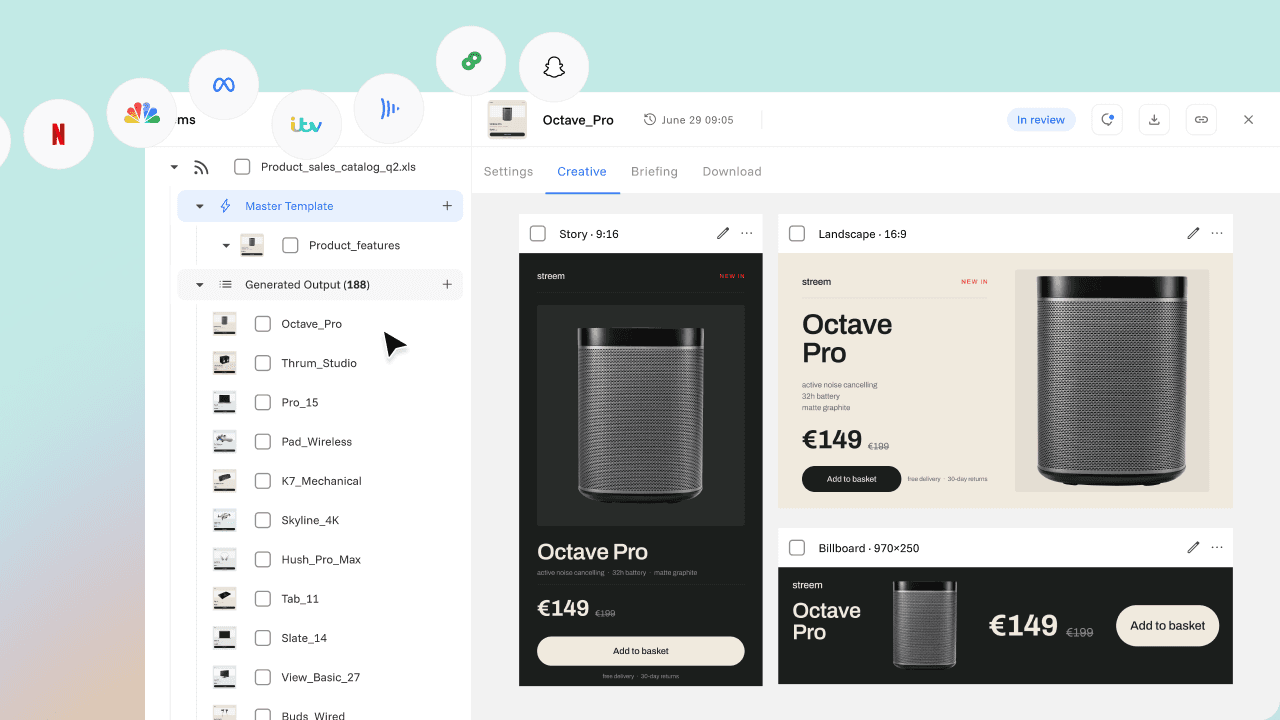
Kreacja i optymalizacja mediów najlepiej działają razem. Cape.io łączy produkcję kreacji, walidację zgodności, planowanie kampanii oraz aktywację, dzięki czemu zespoły mogą zarządzać większą częścią cyklu życia reklamy w jednym workflow.
Oto praktyczne podsumowanie tego, kto jest w czym dobry w 2026 roku i dokąd zmierza ta kategoria.
Szybkie porównanie
Platforma | Najlepsze dla | Rozmiar zespołu |
|---|---|---|
Cape.io | Pełny cykl życia kampanii, jedna platforma | Średnie firmy i korporacje |
Celtra | Zarządzanie kreacjami na poziomie korporacyjnym | Enterprise |
Smartly.io | Kreacja paid social + zakup mediów | Enterprise |
Bannerflow | Wielokanałowa produkcja banerów i display | Średnie firmy i korporacje |
Storyteq | Współpraca kreatywna na dużą skalę kontrolowana przez markę | Średnie firmy |
Rocketium | Szybka produkcja kreacji o wysokim wolumenie | Średnie firmy |
Creatify | Kreacje wspierane przez AI, mniejsze budżety | Małe i średnie firmy |
Hunch | Warstwa analityczna na Twoim istniejącym stosie technologicznym | Dowolny (jako dodatek) |
Co tak naprawdę oznacza dziś „automatyzacja kreacji”
Kilka lat temu oznaczało to jedno: automatyczną zmianę rozmiaru kreacji banerowej zamiast ręcznego jej przebudowywania. To nadal jest część tego procesu. Ale ta kategoria znacznie się rozszerzyła.
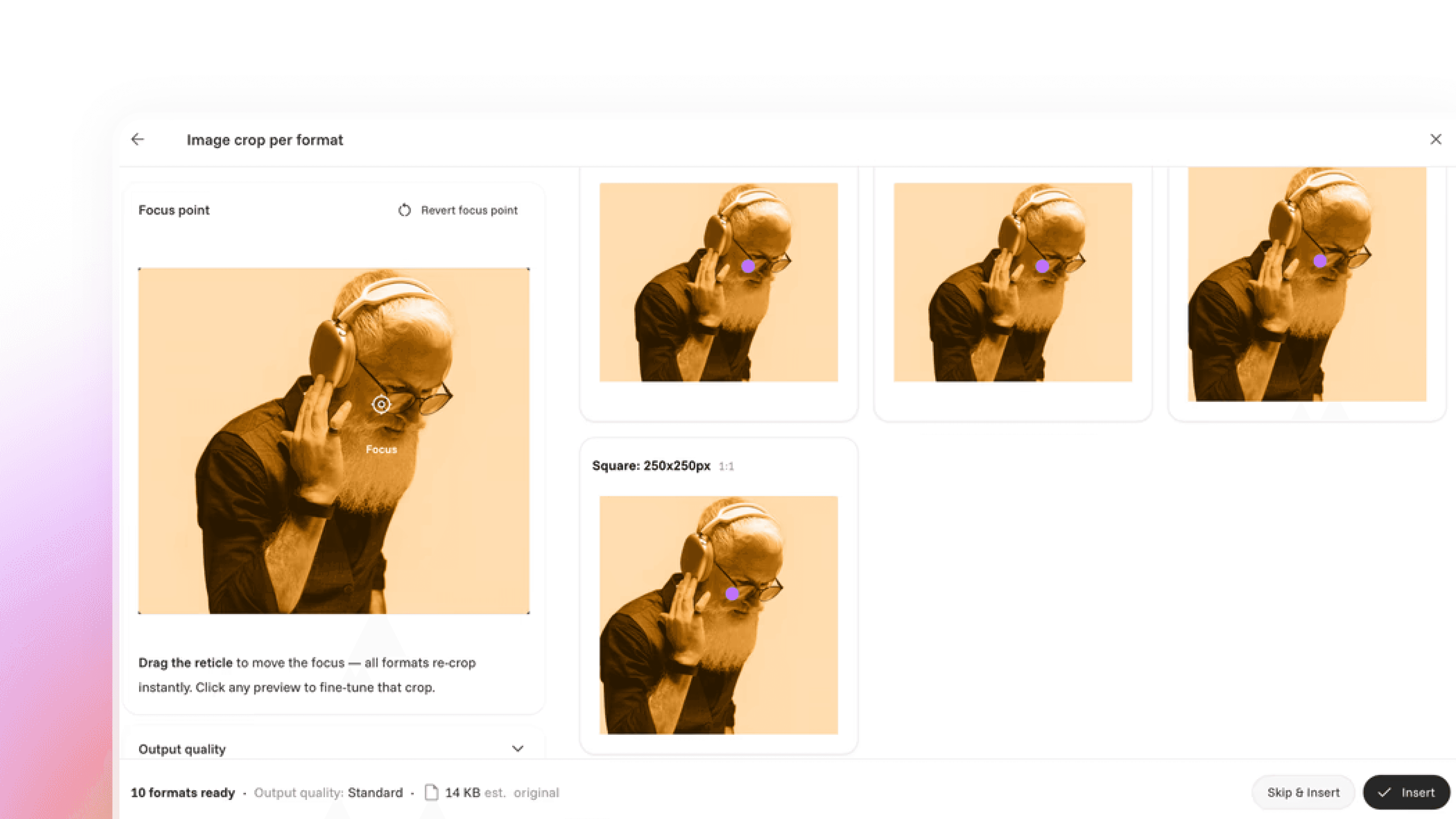
Najlepsze platformy obejmują teraz generowanie kreacji wspomagane przez AI, dynamiczną personalizację, automatyczną kontrolę zgodności i bezpośrednie publikowanie w kanałach społecznościowych, display, Connected TV oraz telewizji linearnej. Nacisk na tę ekspansję nie jest subtelny: więcej kanałów, mniej czasu, a także coraz częściej rzeczywiste wymagania prawne dotyczące tego, co można, a czego nie można umieścić w reklamie.
Jak wybraliśmy tę listę
Nie ocenialiśmy każdej platformy pod kątem każdej funkcji. Takie podejście generuje długie, bezużyteczne listy, na których każdy „wygrywa” w czymś mglistym. Zamiast tego przyjrzeliśmy się pięciu kwestiom, które rzeczywiście odróżniają te narzędzia od siebie:
Elastyczność i jakość kreatywna – prawdziwa kontrola nad kreacją lub powtarzalne szablony, które tak właśnie wyglądają
Możliwości AI – wbudowane w procesy decyzyjne lub dodane jako miły dodatek
Przepływ pracy i zarządzanie – jak dobrze platforma radzi sobie z zatwierdzaniem i spójnością marki w różnych zespołach
Skala i niezawodność – czy sprawdza się przy dużym wolumenie i na wielu rynkach
Głębia wsparcia – ile praktycznej pomocy faktycznie otrzymujesz
Żadna platforma nie wygrywa we wszystkich pięciu obszarach. I to nie jest wada tej listy, to jej kluczowy punkt.
Platformy
Cape.io – najlepsze do łączenia pełnego cyklu życia kampanii
Większość platform na tej liście specjalizuje się w jednej części procesu, zazwyczaj w produkcji kreacji. Cape.io stawia na coś innego: łączy planowanie, produkcję kreacji, kontrolę zgodności i aktywację w jeden przepływ pracy w kanałach społecznościowych, display, Connected TV i telewizji linearnej. Cape.io ma również wbudowaną warstwę bezpieczeństwa, pozwalającą na bezproblemowe minimalizowanie ryzyka związanego z kreacją.
Jeśli Twoim rzeczywistym wąskim gardłem nie jest „nie potrafimy tworzyć kreacji wystarczająco szybko”, ale „kreacja, media i zgodność z przepisami funkcjonują w osobnych, niekomunikujących się ze sobą narzędziach”, to Cape.io powstało właśnie po to, aby tę lukę zapełnić.
Dowiedz się, jak Cape.io łączy Twój przepływ pracy
Celtra – najlepsza do zarządzania kreacjami w korporacjach
Celtra zbudowała solidną reputację w obszarze zarządzania kreacjami dla przedsiębiorstw, szczególnie w przypadku zespołów obsługujących wiele marek, rynków lub linii produktowych, które muszą zachować spójność z wizerunkiem marki bez spowalniania produkcji.
Narzędzia ułatwiające pracę marketerom pozwalają nietechnicznym zespołom tworzyć kreacje bez konieczności ciągłego angażowania projektantów czy deweloperów, co ma ogromne znaczenie przy zarządzaniu kreacjami na naprawdę dużą skalę.
Najlepsze dla: zespołów korporacyjnych, w których rzeczywistym wyzwaniem jest zachowanie spójności między wieloma interesariuszami.
Smartly.io – najlepsze do działań paid social powiązanych bezpośrednio z wydatkami na media
Siła Smartly.io jest bardzo konkretna: produkcja kreacji ściśle zintegrowana z paid social i zakupem mediów programmatic, w tym z Connected TV traktowanym jako cyfrowy format reklamowy.
Obszar, w którym platforma jest mniej rozwinięta, to tradycyjna telewizja i Advanced TV – emisja linearna i dystrybucja u nadawców to inna dyscyplina niż cyfrowy zakup Connected TV i nie stanowi to rdzenia działalności Smartly.io.
Najlepsze dla: zespołów performance i paid social, w których wydatki na media i kreacja są zarządzane wspólnie.
Bannerflow – najlepsze do wielokanałowej produkcji banerów i reklam display
Integruje się z DSP i kanałami społecznościowymi oraz publikuje w cyfrowej reklamie zewnętrznej (DOOH) za pośrednictwem dedykowanych partnerów, co czyni go naprawdę silną opcją dla zespołów produkujących na dużą skalę w wielu formatach cyfrowych i zewnętrznych.
Główny nacisk kładzie na digital i cyfrową reklamę zewnętrzną, a nie na telewizję tradycyjną czy linearną – warto o tym wiedzieć, jeśli Twój media mix obejmuje tradycyjną telewizję obok kanałów cyfrowych.
Najlepsze dla: marek i agencji produkujących duże ilości kreacji display, social i cyfrowej reklamy zewnętrznej.
Storyteq – najlepsze do kontrolowanej przez markę współpracy na różnych rynkach
Cała koncepcja Storyteq opiera się na rozwiązaniu konkretnego problemu: jak pozwolić lokalnym lub regionalnym zespołom dostosowywać kreacje bez naruszania tego, co zostało zatwierdzone przez centralę?
Sprawdza się również na dużą skalę, oferując solidną, wspieraną przez AI produkcję pod warstwą zarządczą, a nie tylko proste narzędzie do współpracy dodane do słabego silnika kreatywnego.
Najlepsze dla: marek wieloregionowych, które muszą zachować równowagę między centralną kontrolą a lokalną adaptacją.
Rocketium – najlepsze do szybkiej produkcji przy dużych wolumenach
Rocketium zostało zaprojektowane z myślą o szybkim tworzeniu wielu wariantów kreacji, bez rezygnacji z kontroli zarządzania, której większe zespoły wciąż potrzebują, aby zachować spójność z marką.
Jeśli czas i wolumen są Twoimi rzeczywistymi ograniczeniami, to jest to świetna opcja, która nie zmusza do kompromisów w kwestii kontroli.
Najlepsze dla: zespołów stawiających na szybkość, a nie na głęboką kontrolę na wielu rynkach.
Creatify – najlepsze do kreacji wspieranych przez AI przy mniejszym budżecie
Zestaw funkcji Creatify rozwinął się znacznie poza prosty generator AI. To teraz naprawdę funkcjonalna opcja, a nie tylko okrojone narzędzie dla początkujących.
Nadal oferuje szczególnie korzystny stosunek jakości do ceny dla mniejszych zespołów z ograniczonym budżetem, które nie chcą wiązać się z dużą platformą korporacyjną, jednocześnie nie ograniczając się już wyłącznie do podstawowych funkcji.
Najlepsze dla: mniejszych zespołów, które chcą korzystać z kreacji wspieranych przez AI bez konieczności angażowania się w dużą platformę.
Hunch – najlepsze jako warstwa analityczna, a nie zamiennik
Hunch robi coś mądrego: zamiast twierdzić, że ma więcej funkcji niż jakakolwiek inna uznana platforma DCO, pozycjonuje się jako warstwa dodająca analitykę na poziomie kreacji, zarówno jako nakładka na istniejącą platformę, jak i samodzielny punkt wyjścia.
Nie wymaga posiadania innego narzędzia DCO, aby przynieść wartość, co czyni go elastycznym rozwiązaniem zarówno dla zespołów uzupełniających obecny stos technologiczny, jak i dla tych, którzy zaczynają od zera z węższym podejściem skupionym na analityce.
Najlepsze dla: zespołów, które chcą dodać ukierunkowaną warstwę analityczną do istniejącej platformy, zamiast całkowicie ją zmieniać.
Więc którą z nich powinieneś tak naprawdę wybrać?
Zacznij od analizy tego, gdzie Twój proces rzeczywiście szwankuje, a nie od listy pożądanych funkcji.
Rozproszone narzędzia do planowania, produkcji, kontroli zgodności i aktywacji? Kompleksowa platforma obsługująca cały cykl życia kampanii, taka jak Cape.io, rozwiąże Twój realny problem lepiej niż kolejne pojedyncze narzędzie punktowe.
Wąskim gardłem jest szybkość i wolumen? Rocketium powstało właśnie w tym celu.
Wąskim gardłem jest kontrola spójności marki na różnych rynkach? Celtra lub Storyteq.
Kreacja opiera się głównie na wydatkach w paid social? Smartly.io.
Budżet wyklucza platformę korporacyjną? Creatify lub warstwa taka jak Hunch nałożona na to, co już masz.
Warto też uczciwie odpowiedzieć sobie na pytanie, czego nie potrzebujesz. Nie każdy zespół potrzebuje wieloregionowego systemu zarządzania. Dopasowanie platformy do Twojego rzeczywistego wąskiego gardła jest lepsze niż wybór tej z najdłuższą listą funkcji.
Często zadawane pytania
Czym różni się automatyzacja kreacji od DCO?
Automatyzacja kreacji to szeroka kategoria: tworzenie i skalowanie kreacji bez konieczności ręcznego przebudowywania wszystkiego od nowa. Dynamiczna optymalizacja kreacji (DCO) to bardziej specyficzny element w tym obszarze, automatycznie dostosowujący kreację w czasie rzeczywistym w zależności od odbiorcy lub kontekstu. Większość platform do automatyzacji kreacji zawiera pewne funkcje DCO, ale nie każde narzędzie DCO obejmuje pełny przepływ pracy.
Czy potrzebuję pełnej platformy, czy tylko narzędzia do produkcji?
To zależy wyłącznie od tego, gdzie leży główny problem. Jeśli produkcja jest Twoim jedynym wąskim gardłem, a cała reszta już działa, dedykowane narzędzie może wystarczyć. Jeśli planowanie, kontrola zgodności i aktywacja również nie są ze sobą połączone, platforma obsługująca pełny cykl życia kampanii rozwiąże Twój realny problem znacznie lepiej.
Jak duże znaczenie ma tutaj AI?
Różni się to znacznie w zależności od platformy – od AI jako funkcji wspomagającej po AI wbudowane bezpośrednio w decyzje o tym, co produkować lub jak to personalizować. Żadne z tych podejść nie jest automatycznie lepsze. Wszystko zależy od tego, jak dużą kontrolę chcesz zachować, a ile przekazać technologii.
Czy te platformy mogą pomóc w kontroli zgodności reklam?
Niektóre mogą, i jest to coraz ważniejsza część tej kategorii, ponieważ wymogi prawne dotyczące reklamy stale rosną. Nie każda platforma na tej liście traktuje kontrolę zgodności jako kluczową funkcję. Warto to potwierdzić bezpośrednio u dostawcy przed podjęciem decyzji.
Zanim podejmiesz ostateczną decyzję
W 2026 roku nie ma jednej „najlepszej” platformy – istnieje tylko ta najlepiej dopasowana do miejsca, w którym Twój proces rzeczywiście szwankuje. Zarządzanie na poziomie korporacyjnym, integracja z paid social, szybkość produkcji i łączność w pełnym cyklu życia kampanii to zupełnie różne problemy, a narzędzia stworzone do ich rozwiązywania dobrze to odzwierciedlają.
Jeśli Twoim problemem jest połączenie produkcji kreacji z kontrolą zgodności i aktywacją w wielu kanałach, to właśnie do tego zostało stworzone Cape.io.
Kategoria