Nie masz problemu z AI. Masz problem z zaufaniem.
Każdemu marketerowi sprzedaje się dziś inteligencję. Ale inteligencja bez odpowiedzialności to tylko szum na skalę masową. Oto, jak brzmi prawdziwe pytanie.

Twoja skrzynka odbiorcza jest tym przepełniona już od dwóch lat. To oparte na AI. Tamto inteligentna automatyzacja. Każda platforma obiecuje, że będzie myśleć za Ciebie, skalować za Ciebie, decydować za Ciebie. A jednak wciąż tutaj jesteś, ręcznie sprawdzając feedy o 23:00 przed startem, wciąż przeprowadzając analizę post-mortem trzy tygodnie po zakończeniu kampanii, wciąż zastanawiając się, dlaczego wersja, która trafiła na żywo, nie była tą, którą zatwierdzono. Narzędzia stały się mądrzejsze. Niepokój nie zniknął. To nie przypadek. To sygnał.
Czy automatyzacji naprawdę można zaufać?
Pytanie, które po cichu zadaje sobie każdy CMO, dyrektor kreatywny i lider wydajności, nie brzmi „jak mam bardziej automatyzować?”. Brzmi ono: „Czy naprawdę można zaufać, że automatyczna realizacja kampanii będzie przebiegać na dużą skalę bez zakłóceń?”
W tej chwili uczciwa odpowiedź na całym rynku brzmi: nie. Feedy znikają w trakcie trwania kampanii, luki w zgodności ujawniają się po wydaniu budżetu, a systemy nie potrafią uczyć się na tym, co właśnie się stało. To jest problem zaufania w tej kategorii — i jest to dokładnie ten problem, do którego rozwiązania zostaliśmy stworzeni. Uczyniliśmy zaufanie produktem, a nie funkcją. Jest to absolutny warunek wstępny dla inteligentnej automatyzacji kampanii.
Prawdziwy koszt popełnienia błędu
Pomyśl o tym, co tak naprawdę się psuje. Rzadko jest to wielka, widoczna awaria. To feed, który po cichu staje się pusty na sześć godzin w szczytowym dniu handlowym. To kreacja, która wyświetla się na rynku, na który nigdy nie została dopuszczona. To wersja zasobu, która była poprawna w 98%, a te 2% kosztuje Cię utratę relacji z klientem.
Uderzenie w budżet jest realne. Szkody dla marki są realne. Ale głębszym kosztem jest to, co to robi z ludźmi wykonującymi pracę. Kiedy nie możesz ufać swoim systemom, kompensujesz to ludzką czujnością. Dodajesz listę kontrolną za listą kontrolną. Duplikujesz wysiłki. Zatrudniasz ludzi do zarządzania lękiem, a nie do kreatywnego myślenia.
Ukryty podatek
Prawdziwym kosztem braku zgodności nie jest tylko kara finansowa czy wycofanie kampanii. To kultura, która rozwija się wokół strachu przed tym — warstwy ręcznego sprawdzania, paraliż decyzyjny przy zatwierdzaniu, kreatywna awersja do ryzyka, która powoli ograbia pracę z wartości. To jest podatek, który większość organizacji płaci, nawet nie widząc go w żadnej pozycji budżetowej.
Czego naprawdę wymaga inteligencja
Oto rzecz dotycząca twierdzenia, że jest się inteligentnym: musisz na to zapracować. A pracujesz na to na czterech frontach:
01: Wydajniej prowadzi kampanie
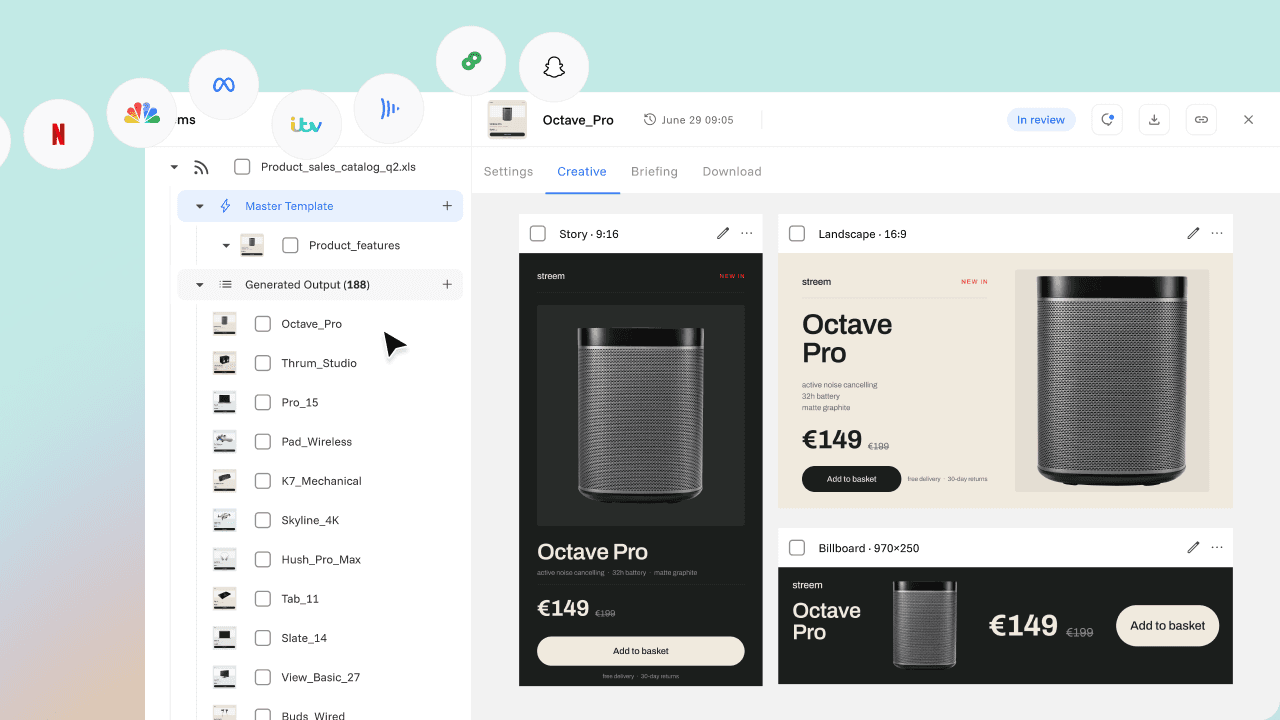
Odblokowanie szybkości i skali, które tworzą rzeczywiste możliwości dla Twojego zespołu, a nie automatyzacja, która po prostu generuje nowy rodzaj pracy związanej z Zapewnienie jakości.
02: Wychwytuje problemy ze zgodnością przed emisją
Wprowadzanie wstępnego testowania, integralności feedów i zarządzania marką bezpośrednio do workflow, zamiast polegania na pulpitach nawigacyjnych, które informują o tym, co poszło nie tak po wydaniu budżetu.
03: Zamyka pętlę informacji zwrotnej
Dostarczanie natychmiastowych sygnałów, a nie analiz post-mortem. Inteligencja kampanii, która reaguje w danym momencie.
04: Łączy decyzje na podstawie własnej historii
Optymalizacja oparta na Twoich schematach, Twojej grupie odbiorców i Twojej historii wyników, dzięki czemu każda kampania staje się bardziej precyzyjna, im dłużej korzystasz z systemu.
Większość platform dostarcza jedną lub dwie z tych rzeczy. Nazywają to inteligencją. To nią nie jest. Inteligencja to to, co dzieje się, gdy wszystkie cztery współpracują ze sobą i gdy całość opiera się na kulturze zaufania, która sprawia, że ludzie chcą z niej korzystać, zamiast ją omijać.
Dlaczego nasza inteligencja jest prawdziwa, a nie teoretyczna
Dlaczego możemy to urzeczywistnić, podczas gdy inni nie potrafią? Nasze dziedzictwo w telewizji nadawczej (linearnej + IPTV). Przez prawie trzy dekady mierzyliśmy się z awariami zgodności, surowymi regulacjami i przerwanymi feedami na globalną skalę. Wiemy dokładnie, co pusta kampania robi z marką i budżetem. Ta historia to nasza strukturalna przewaga. To właśnie sprawia, że nasza inteligencja jest prawdziwa, przetestowana w boju i stworzona dla przedsiębiorstw.
Osoba, dla której tworzysz, się zmieniła
Pojawia się rola, która nie ma jeszcze jasnej nazwy stanowiska. To dyrektor kreatywny, który potrafi przeczytać raport z wyników bez potrzeby jego tłumaczenia. Planista mediów, który ma zdanie na temat tekstu reklamowego. Lider wydajności, który szczerze dba o jakość kreacji, którą optymalizuje.
Nazwij ich inżynierami kreatywnymi. Naukowcami kreatywnymi. Jakakolwiek ostatecznie będzie to nazwa, oni już są w Twojej organizacji i są sfrustrowani. Są sfrustrowani, ponieważ narzędzia, których używają, zostały stworzone dla specjalistów działających w osobnych obszarach. Platforma kreatywna nie komunikuje się z warstwą aktywacji. Kontrola zgodności odbywa się po etapie tworzenia. Dane o wydajności żyją w miejscu, do którego zespół kreatywny nigdy nie zagląda. Konwergencja jest realna. Infrastruktura do niej w większości jeszcze nie istnieje.
Dwie idee warte poważnego potraktowania
Istnieją dwa pojęcia, w kierunku których branża powinna zmierzać. Żadne z nich jeszcze odpowiednio nie istnieje, ale oba wskazują na coś ważnego.
Wskaźnik, który faktycznie coś znaczy: CAPE.IO SCORE™
Wyobraź sobie miarę inteligencji kampanii w stylu NPS — pojedynczy wynik, który obejmuje status zgodności, bezpieczeństwo marki, gotowość do działania, integralność feedów i dojrzałość optymalizacji. Nie jako pulpit sygnalizacyjny o barwach sygnalizacji świetlnej. Wynik, który kumuluje się w czasie, wokół którego Twój zespół może się zjednoczyć i który klient może zrozumieć jednym spojrzeniem. Najbliższą analogią w marketingu jest tracker kondycji marki, z tą różnicą, że ten aktualizowałby się w czasie rzeczywistym i mówił, co masz zrobić, a nie tylko, jak sobie radzisz.
Samodoskonaląca się pętla inteligencji kampanii
Tworzyć & weryfikować ➔ Aktywować w różnych miejscach docelowych ➔ Przechwytywać sygnały o wydajności ➔ Doskonalić model.
Platformy, które wygrają za pięć lat, to nie te z najmądrzejszym algorytmem. To te, w których każda kampania ulepsza kolejną. Gdzie Twoje dane historyczne są aktywem, a nie cmentarzyskiem plików PDF na wspólnym dysku. Gdzie dodanie nowego miejsca docelowego lub integracji nie oznacza zaczynania od zera, ale odblokowanie nowej warstwy wielokanałowej optymalizacji, która opiera się na wszystkim, co już zbudowałeś. To nie jest funkcja. To zupełnie inny model biznesowy dla inteligencji.
Styk między tworzeniem a optymalizacją
Kategoria, która ma znaczenie, to nie tylko Automatyzacja kreacji i nie tylko optymalizacja mediów. Siedzimy dokładnie na styku między nimi — i o to właśnie chodzi. Minimalizowanie ryzyka i inteligentne podejmowanie decyzji kreatywnych to dwie strony tego samego medalu. To nie jest kwestia pozycjonowania; to nasz punkt wejścia.
Minimalizowanie ryzyka i jakość kreatywna nie są przeciwieństwami. Zgodna, bezpieczna dla marki, przetestowana kreacja nie jest wersją rozwodnioną. Jest wersją pewną siebie. Tą, która działa bez konieczności sprawdzania telefonu o północy przez pracowników. Tą, którą klient zatwierdza, ponieważ proces, który ją wygenerował, daje mu powody do zaufania.
To jest ta zmiana. Od automatyzacji jako narzędzia produkcyjnego do inteligencji jako przewagi konkurencyjnej. Różnicą nie jest technologia. Jest nią leżąca u podstaw infrastruktura zaufania i to, czy platforma, z której korzystasz, zapracowała na prawo do nazywania się inteligentną.
Pytanie nie brzmi, czy korzystać z inteligencji kampanii. Brzmi: czy Twoja zasłużyła na Twoje zaufanie.

Kategoria