„Największym powodem, dla którego Twoje reklamy wyglądają źle”

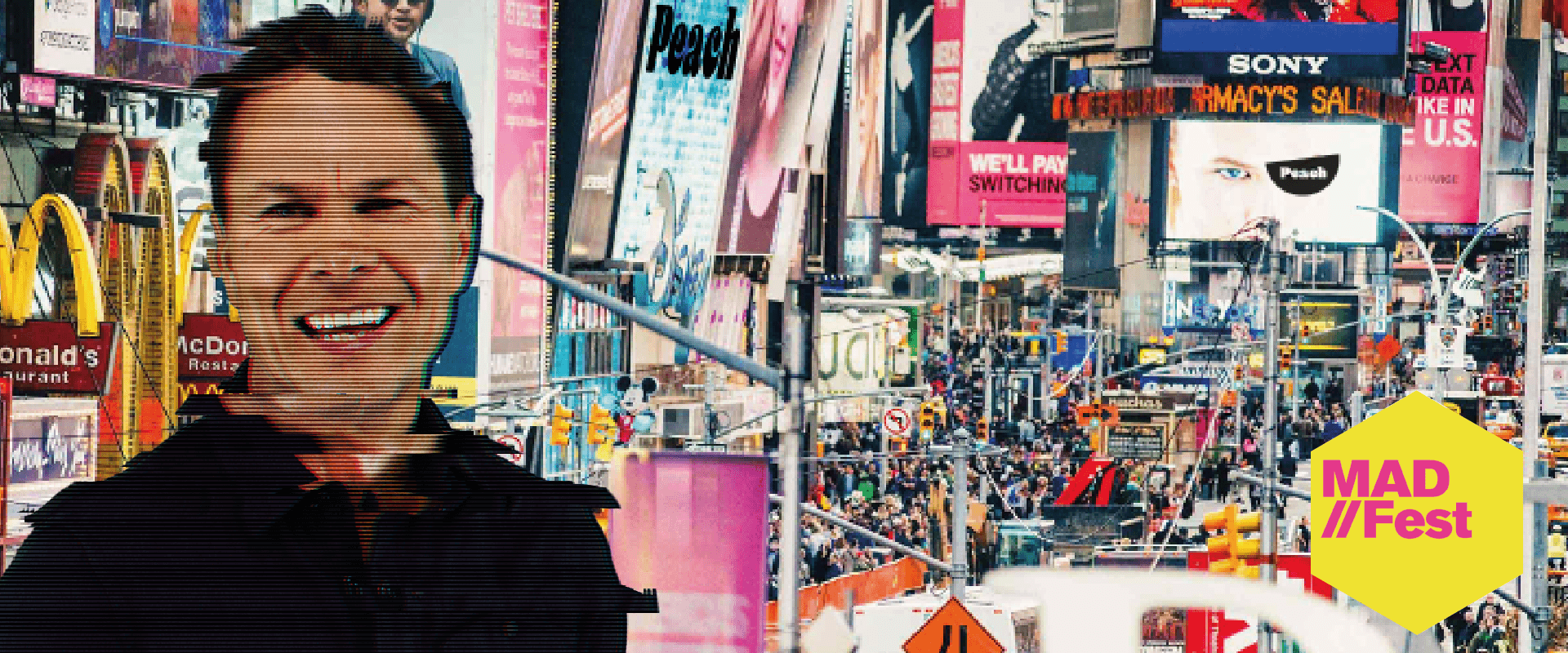
Jason Trout, nasz Globalny Szef Digital Officer zrzucił mnóstwo prawd na MAD//Anywhere London

Author

Cape.io

Author

Cape.io

Zostało to pierwotnie opublikowane na stronie internetowej Peach. Dowiedz się więcej o rebrandingu z Peach do Cape.io.

Przewiń na dół, aby obejrzeć rozmowę, jeśli wolisz.

​Patrzę poza linearne i w stronę konwergentnych i cyfrowych środowisk. W skrócie, powód, dla którego Twoje reklamy wyglądają fatalnie, jest taki, że prawdopodobnie nie wiesz, co się dzieje z Twoimi tekstami reklamowymi po ich zatwierdzeniu - a co gorsza, możesz zdecydować, że Cię to nie interesuje.

Jak to możliwe, słyszę, że pytasz? 

Cytując profesora Yale Edwarda Tufte „Są tylko dwa sektory, które nazywają swoich klientów 'użytkownikami': nielegalne narkotyki i oprogramowanie”

Wiemy, że Ilość jest kluczowym elementem udanych kampanii, podobnie jak Jakość, ale musi być wymieniona jako kompromis, prawda? Dobrze dobrana kreacja to najważniejszy wybór, jaki możesz zrobić, ale czy można mieć Ilość Jakości? Fatalna reklama pozostaje fatalną reklamą, gdziekolwiek ją umieścisz.

Są trzy kluczowe elementy tego równania:

  1. Po pierwsze, czy wykonanie spełnia zadanie, do którego zostało zaprojektowane dla zamierzonej publiczności. To jest subiektywne.

  2. Po drugie, wraz z upadkiem ciasteczka, kontekst powraca! Czy treść będzie wspierać czy drażnić z otoczeniem lub urządzeniem, to również jest subiektywne.

  3. Na koniec, czy techniczna jakość zasobu jest odpowiednia dla zamierzonego urządzenia lub proporcji i platformy. To jest precyzyjne, systemowe i łatwe do rozwiązania.

Dużo uwagi poświęca się dwóm pierwszym, a bardzo mało ostatniemu. Wiem, że to nie jest szczególnie seksowne, a jak wiedzą handlarze narkotyków, zmiana nawyków jest trudna. 

Linear

W ogólnym ekosystemie wideo dobro i zło współistnieją. Po stronie Linear i BVoD to środowisko „One to many” nadawania. Kierowanie jest szerokie, ale infrastruktura i zaufanie do medium jest bardzo wysokie - mimo braków w pomiarach publiczności. 

Reklamodawcy nie martwią się, że reklamy pojawią się w nieodpowiednich treściach - jest to regulowane. Ani reklamodawcy nie martwią się, że reklamy pojawią się w przerwie obok konkurenta - jest to nadzorowane. 

Jest dobrze uformowane i powszechnie przyjęte. Tak więc można uzyskać reklamę z finalizowanego wykończenia do nadawcy w 2 dni, czasami 1, udało nam się nawet zrobić to w mniej niż 4 godziny.  

Digital

Przechodzimy teraz do obozu Digital, zobaczymy, jak sobie radzą. Zainwestowali ogromne środki techniczne w kanały dostępu do mocno ukierunkowanych publiczności na dużą skalę w czasie rzeczywistym. Sprytne wykorzystanie danych pierwszej i trzeciej strony do budowania i pielęgnowania relacji na wielu punktach kontaktowych. 

Na koniec ambitne plany medialne poszukują plemion zagorzałych konsumentów gniazdujących w kuratelowanych grupach w Internecie. Z całą tą świetną technologią i możliwościami można by się spodziewać, że cyfryzacja będzie złotym standardem szybkości i wydajności. Ale tak nie jest. Nawet nie jest blisko. 

Wiemy od Klientów i Agencji Medialnych, że wdrożenie kampanii cyfrowej zajmuje 2 - 3 TYGODNIE. Tak, to 2-3 tygodnie - to 7 do 10 razy dłużej niż stare Linear lub BVoD. To oznacza, że Land Rover Finance lub Wyprzedaż Gucci, która zakończyła się 3 dni temu, nigdy nie została faktycznie zobaczona przez ogromne rzesze klientów online, ponieważ poprawny tekst dotarł dopiero dziś. 

W naszych własnych niezależnych badaniach które zleciliśmy z Colab, haniebnie ujawniły, że więcej niż trzy czwarte wszystkich kampanii cyfrowych zaczyna się późno - to po prostu nie jest wystarczająco dobre. 


Rozciągnięty współczynnik proporcji 16:9 dla Disney +


Oryginalny współczynnik proporcji 4:3 na Fox

Powyżej widać, że materiał 4:3 został rozciągnięty, aby pasować do współczynnika proporcji 16:9. Rozciągnięta wersja całkowicie pomija wizualny gag. To samo dotyczy Twoich niezwykle cennych tekstów reklamowych. 

Więc, dlaczego powinieneś się martwić o te głęboko nieatrakcyjne sprawy?

  • Klienci: Chcecie, aby reklamy były odbierane w najlepszy możliwy sposób 

  • Kreacja lub Post produkcja: Chcecie, aby Wasza praca była podziwiana na platformach i urządzeniach, na których przebywają klienci Waszych klientów.

  • Ludzie z agencji medialnych: Macie dość codziennego zarzucania,  za kampanie zaczynające się z opóźnieniem. 

  • Kupujący programatyczni: Macie najlepsze ustawienie biurka - ale niespełnione oferty z powodu błędów, co oznacza, że żadna kreacja nie jest serwowana. 

  • Wydawcy: Wychodzicie z planu, ponieważ nie wykonali pliku zgodnie z Waszą specyfikacją, co oznacza, że impresje zostały przekazane na YT lub FB, ponownie.

Więc, jeśli cieszy Cię rozprzestrzenianie fatalnych reklam, i widzisz tylko użytkowników, wtedy zachowaj spokój i pozwól swoim dealerom prowadzić przepływy pracy. Użytkownicy słusznie będą Was postrzegać jako organizację niewymagającą wysiłku. Lub alternatywnie, zacznij się przejmować


Pokochaj swoich klientów, na dużą skalę, aby doświadczali przekazów marki tak, jak były one zamierzone, w kontekście i na czas. Zmień swoje brudne nawyki, zautomatyzuj swoje przepływy pracy,  ciesz się Ilością Jakości z Twoimi klientami - oni na Was zasługują, a Wy może zasłużycie na nich z czasem.  

Nie krępuj się obejrzeć mojej rozmowy tutaj:


Aktualności

Bądź na bieżąco z trendami

Ciekawy najnowszych trendów w marketingu i reklamie?
Zapisz się do naszego miesięcznego biuletynu Promarketers.

30 mar 2026

Operationalizing AI in advertising: Why it must be embedded, not bolted on

Operationalizing AI in advertising isn’t about adding another tool to your stack. It’s about embedding intelligence into the systems that govern creative production, compliance, and delivery, so automation scales without creating more operational friction.

18 mar 2026

No more chocolate at breakfast? Navigating the new LHF ad rules this Easter

As ad compliance requirements evolve in 2026, UK confectionery brands face new restrictions on less healthy food (LHF) advertising. With the January 5 watershed now in effect, ad quality assurance systems must validate timing, placement, and product identifiability to avoid clearance failures this Easter season.

16 mar 2026

The future of inclusion: How Cape.io powered Virgin Media Television’s fully accessible ad break during the Men’s Six Nations

As Channel 4’s closed-captioning mandate came into effect in March 2026, Cape.io partnered with Virgin Media Television, Omnicom Media Group and VoiceBox to deliver a truly accessible ad break during the Guinness Men’s Six Nations. More than ad compliance, this moment proved that accessibility can operate at the highest level of live sports broadcasting.

27 lut 2026

Navigating Channel 4’s 2026 closed caption mandate

As ad compliance requirements tighten across the UK and Europe, closed captioning has evolved from an accessibility checkbox to a strategic necessity. Whether you're managing CTV campaigns or social media creative, automated ad testing for caption quality is no longer optional - it's fundamental to reaching today's fragmented, multi-screen audiences.

The advertising landscape is facing a seismic shift. By March 1, Channel 4 will become the first UK broadcaster to mandate closed captions across all advertising - including linear TV, streaming, and sponsorships.

The mandate is  a redefined standard for global inclusivity. Here is everything you need to know about the new mandate and how to stay ahead of the curve.

26 lut 2026

One platform, many realities: How creative automation platforms resolve the global vs. local tension

Scaling global marketing without losing local relevance requires more than brand guidelines and templates - it requires a creative automation platform designed for both global control and local flexibility. Most systems optimize for standardization, but scaling ad creative production across markets demands architecture that enables creative variation and adaptation by local experts without fragmenting brand governance.

Many global advertisers are chasing the same ideal: scale without losing relevance.

Consistency without uniformity.
Efficiency without bureaucracy.

It sounds simple. In practice, it’s one of the hardest tensions to resolve in modern marketing.

The global vs. local challenge isn’t new, but it’s becoming more urgent. As brands expand across markets, channels, and cultures, the question is no longer whether you should scale globally, but how you do so without erasing the nuance that makes marketing effective in the first place.

Everyone is looking for this balance. Very few get it right.

11 lut 2026

EPTVI Initiative launches Stage Two to help programmatic TV scale across Europe’s largest advertising markets

Broadcasters, streamers, agencies and ad tech companies including Google Ad Manager, Equativ, Adform, LiveRamp, The Trade Desk, FreeWheel and Cape.io begin work on practical solutions to reduce complexity and speed up adoption.

Aktualności

Bądź na bieżąco z trendami

Ciekawy najnowszych trendów w marketingu i reklamie?
Zapisz się do naszego miesięcznego biuletynu Promarketers.

30 mar 2026

Operationalizing AI in advertising: Why it must be embedded, not bolted on

Operationalizing AI in advertising isn’t about adding another tool to your stack. It’s about embedding intelligence into the systems that govern creative production, compliance, and delivery, so automation scales without creating more operational friction.

18 mar 2026

No more chocolate at breakfast? Navigating the new LHF ad rules this Easter

As ad compliance requirements evolve in 2026, UK confectionery brands face new restrictions on less healthy food (LHF) advertising. With the January 5 watershed now in effect, ad quality assurance systems must validate timing, placement, and product identifiability to avoid clearance failures this Easter season.

16 mar 2026

The future of inclusion: How Cape.io powered Virgin Media Television’s fully accessible ad break during the Men’s Six Nations

As Channel 4’s closed-captioning mandate came into effect in March 2026, Cape.io partnered with Virgin Media Television, Omnicom Media Group and VoiceBox to deliver a truly accessible ad break during the Guinness Men’s Six Nations. More than ad compliance, this moment proved that accessibility can operate at the highest level of live sports broadcasting.

27 lut 2026

Navigating Channel 4’s 2026 closed caption mandate

As ad compliance requirements tighten across the UK and Europe, closed captioning has evolved from an accessibility checkbox to a strategic necessity. Whether you're managing CTV campaigns or social media creative, automated ad testing for caption quality is no longer optional - it's fundamental to reaching today's fragmented, multi-screen audiences.

The advertising landscape is facing a seismic shift. By March 1, Channel 4 will become the first UK broadcaster to mandate closed captions across all advertising - including linear TV, streaming, and sponsorships.

The mandate is  a redefined standard for global inclusivity. Here is everything you need to know about the new mandate and how to stay ahead of the curve.

26 lut 2026

One platform, many realities: How creative automation platforms resolve the global vs. local tension

Scaling global marketing without losing local relevance requires more than brand guidelines and templates - it requires a creative automation platform designed for both global control and local flexibility. Most systems optimize for standardization, but scaling ad creative production across markets demands architecture that enables creative variation and adaptation by local experts without fragmenting brand governance.

Many global advertisers are chasing the same ideal: scale without losing relevance.

Consistency without uniformity.
Efficiency without bureaucracy.

It sounds simple. In practice, it’s one of the hardest tensions to resolve in modern marketing.

The global vs. local challenge isn’t new, but it’s becoming more urgent. As brands expand across markets, channels, and cultures, the question is no longer whether you should scale globally, but how you do so without erasing the nuance that makes marketing effective in the first place.

Everyone is looking for this balance. Very few get it right.

11 lut 2026

EPTVI Initiative launches Stage Two to help programmatic TV scale across Europe’s largest advertising markets

Broadcasters, streamers, agencies and ad tech companies including Google Ad Manager, Equativ, Adform, LiveRamp, The Trade Desk, FreeWheel and Cape.io begin work on practical solutions to reduce complexity and speed up adoption.

Aktualności

Bądź na bieżąco z trendami

Ciekawy najnowszych trendów w marketingu i reklamie?
Zapisz się do naszego miesięcznego biuletynu Promarketers.

30 mar 2026

Operationalizing AI in advertising: Why it must be embedded, not bolted on

Operationalizing AI in advertising isn’t about adding another tool to your stack. It’s about embedding intelligence into the systems that govern creative production, compliance, and delivery, so automation scales without creating more operational friction.

18 mar 2026

No more chocolate at breakfast? Navigating the new LHF ad rules this Easter

As ad compliance requirements evolve in 2026, UK confectionery brands face new restrictions on less healthy food (LHF) advertising. With the January 5 watershed now in effect, ad quality assurance systems must validate timing, placement, and product identifiability to avoid clearance failures this Easter season.

16 mar 2026

The future of inclusion: How Cape.io powered Virgin Media Television’s fully accessible ad break during the Men’s Six Nations

As Channel 4’s closed-captioning mandate came into effect in March 2026, Cape.io partnered with Virgin Media Television, Omnicom Media Group and VoiceBox to deliver a truly accessible ad break during the Guinness Men’s Six Nations. More than ad compliance, this moment proved that accessibility can operate at the highest level of live sports broadcasting.

27 lut 2026

Navigating Channel 4’s 2026 closed caption mandate

As ad compliance requirements tighten across the UK and Europe, closed captioning has evolved from an accessibility checkbox to a strategic necessity. Whether you're managing CTV campaigns or social media creative, automated ad testing for caption quality is no longer optional - it's fundamental to reaching today's fragmented, multi-screen audiences.

The advertising landscape is facing a seismic shift. By March 1, Channel 4 will become the first UK broadcaster to mandate closed captions across all advertising - including linear TV, streaming, and sponsorships.

The mandate is  a redefined standard for global inclusivity. Here is everything you need to know about the new mandate and how to stay ahead of the curve.

26 lut 2026

One platform, many realities: How creative automation platforms resolve the global vs. local tension

Scaling global marketing without losing local relevance requires more than brand guidelines and templates - it requires a creative automation platform designed for both global control and local flexibility. Most systems optimize for standardization, but scaling ad creative production across markets demands architecture that enables creative variation and adaptation by local experts without fragmenting brand governance.

Many global advertisers are chasing the same ideal: scale without losing relevance.

Consistency without uniformity.
Efficiency without bureaucracy.

It sounds simple. In practice, it’s one of the hardest tensions to resolve in modern marketing.

The global vs. local challenge isn’t new, but it’s becoming more urgent. As brands expand across markets, channels, and cultures, the question is no longer whether you should scale globally, but how you do so without erasing the nuance that makes marketing effective in the first place.

Everyone is looking for this balance. Very few get it right.

11 lut 2026

EPTVI Initiative launches Stage Two to help programmatic TV scale across Europe’s largest advertising markets

Broadcasters, streamers, agencies and ad tech companies including Google Ad Manager, Equativ, Adform, LiveRamp, The Trade Desk, FreeWheel and Cape.io begin work on practical solutions to reduce complexity and speed up adoption.

Skontaktuj się

Pokażemy Ci, co Cape.io może zrobić.

Intelligent Campaign Automation

Cape.io łączy się z Twoim DAM, serwerami reklam, DSP, narzędziami do zarządzania przepływem pracy i nie tylko, więc nie musisz wymieniać ani zastępować.

© 2025 Cape.io. Wszelkie prawa zastrzeżone

Polski

Skontaktuj się

Pokażemy Ci, co Cape.io może zrobić.

Intelligent Campaign Automation

Cape.io łączy się z Twoim DAM, serwerami reklam, DSP, narzędziami do zarządzania przepływem pracy i nie tylko, więc nie musisz wymieniać ani zastępować.

© 2025 Cape.io. Wszelkie prawa zastrzeżone

Polski

Skontaktuj się

Pokażemy Ci, co Cape.io może zrobić.

Intelligent Campaign Automation

Cape.io łączy się z Twoim DAM, serwerami reklam, DSP, narzędziami do zarządzania przepływem pracy i nie tylko, więc nie musisz wymieniać ani zastępować.

© 2025 Cape.io. Wszelkie prawa zastrzeżone

Polski