How leading brands are bringing media and creative back in sync
Read all about how our CMO Michiel Blonk addresses each challenge to bridge the gap and finally reconnect - from his presentation at DMWF Europe last week.

We talk relentlessly about data-driven marketing, automation, and scale. Yet, somewhere along the way, we lost the plot. The fundamental truth remains: Creative is - and always has been - the backbone of advertising.
Today, we're drowning. Thousands of ad creatives and testable assets are produced every single minute globally. But the vast majority of them are out of sync:
Out of sync with the audience.
Out of sync with the media plan.
Out of sync with reality.
Marketers spend weeks planning, briefing, producing, and validating campaigns - only to find out, after 30 days, what actually worked. By then, the audience has moved on. The cost of this disconnect is staggering: Brands waste billions annually on creative that never connects, including an estimated $73 billion on unsuitable digital ads during festive seasons alone. That isn't just inefficiency - that’s structural disconnection.
Synchronization in 4 steps
The core problem isn't just time or budget; it’s that creative is out of sync with every part of the campaign lifecycle. We need a transformative shift, moving from disconnected workflows to a truly synchronized system.
1. Bring media and creative together
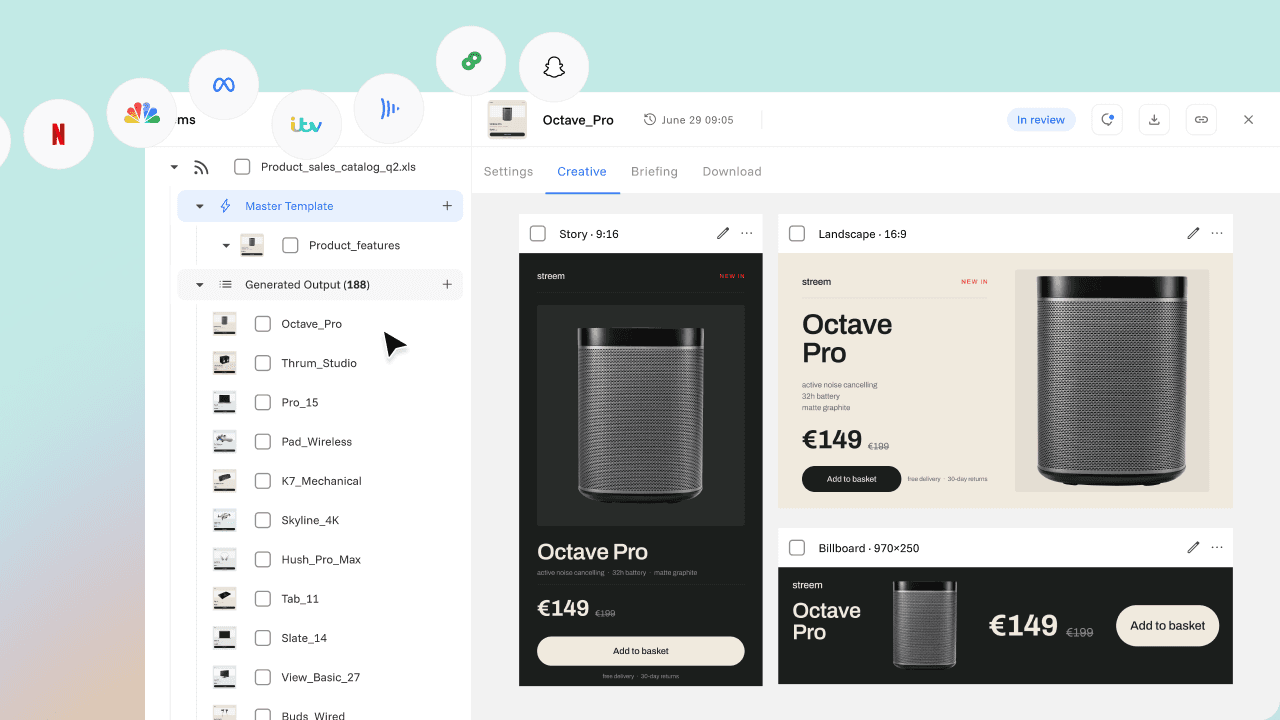
Synchronization starts with a single source of truth.
Think about platforms like monday.com. They didn't reinvent work; they simply gave teams one single place to collaborate. They grew over 1,000% by solving the chaos of disconnected workflows.
Imagine applying that principle to your media planning. For a brand like KLM, this means:
Campaign briefs, media plans, and creative assets all live in one unified system.
Every stakeholder works off the latest version.
Nothing gets lost in email threads or "final_v7_REALFINAL" files.
This is the non-negotiable foundation of synchronization.
2. Keep creative in sync with reality - in real time
Audience behavior shifts by the hour. You can spend weeks crafting the perfect campaign, only to find that the conversations, trends, and motivations that mattered yesterday are irrelevant today. The answer isn’t “more data”; it’s building intelligent creative systems that adapt automatically.
The problem: Traditional campaigns are static. Once launched, they rely on manual updates, slow approvals, and disconnected data signals. Meanwhile, audiences move on, platforms evolve, and performance varies by channel, format, and moment. Your creative isn’t wrong - it’s just outdated.
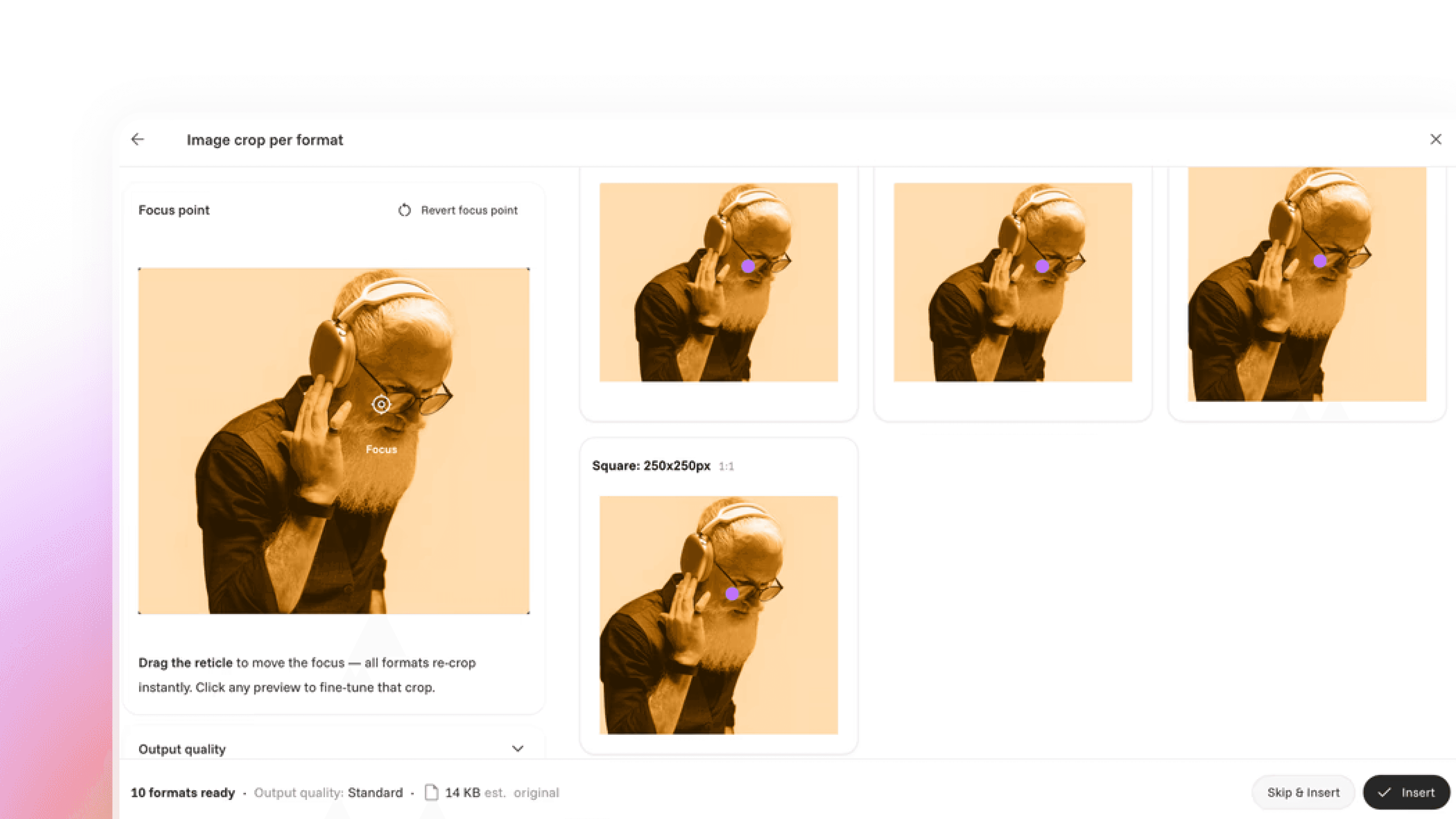
The solution: modular, intelligent campaigns powered by a backbone that updates everything automatically. That means real-time creative updates, auto-pausing and activating campaigns across platforms without human intervention, continuous performance feedback at every level, and an AI learning mechanism that creates a self-improving loop - across all platforms and ad types.
3. Engage the right audiences from day one
No more waiting 30 days for post-campaign analysis!
Intelligent campaign platforms can feed insights straight into creative testing before the campaign goes live. By tweaking messaging, visuals, and targeting in the pre-launch phase, you ensure your campaign doesn't just reach the right people, but engages them. This process keeps your campaigns vibrant and relevant, instead of having them age out before you even get results.
4. Catch compliance early
Compliance is too often seen as a blocker, but it should be a safety net.
The penalty for disconnection here is severe. Twix recently had to pull a global campaign due to compliance issues discovered after launch, resulting in millions in wasted ad spend and zero ROI. This single oversight, slipped through disconnected processes, proves alignment isn't optional - it's fundamental.
Imagine if compliance issues (legal disclaimers, regional regulations, product claims) could be spotted and solved right in the design phase. You could test your creative before it ever hits the media, protecting your budget and your brand reputation.
The great reconnection
When these four pieces connect - media, creative, audience, and compliance - you don’t just sync up; you build campaigns that live and breathe.
At the end of the day, great campaigns aren't about the data or the dashboards. It’s about resonance.
It’s time to stop the waste, close the gap, and reconnect our creative to the world it’s meant to influence.

Category