Puntos clave
A single campaign can now mean hundreds of assets across placements, sizes, languages and legal copy, and editing files one at a time breaks in costly places: a wrong price in one market, an outdated legal line on a broadcast spot, or a size nobody built.
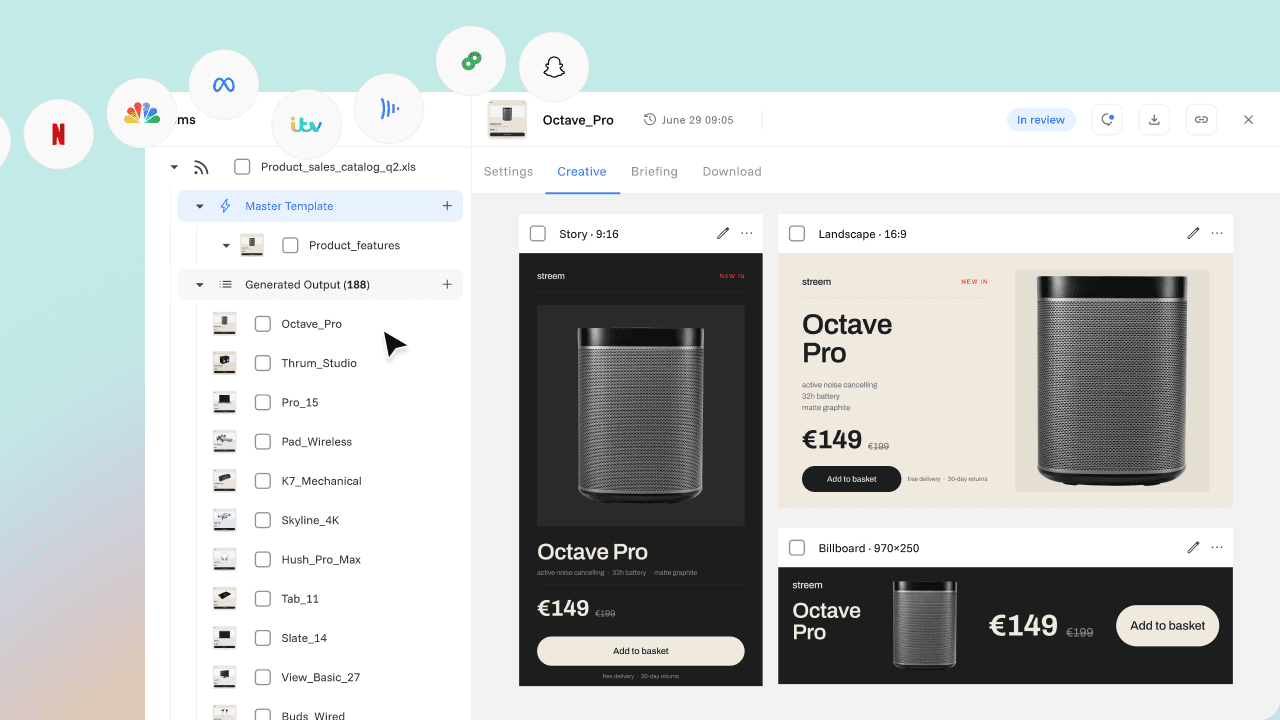
Cape.io's approach is to build creative as a rules-based template and produce every format and market version from one approved master, with specs, brand rules and broadcast requirements checked during production across social, display, streaming and linear TV.
In The Forrester Wave: Creative Advertising Technologies, Q4 2026, Cape.io was named a Strong Performer and received the highest score possible in eight criteria, including templates, assembly and versioning, and TV/OTT/CTV/linear.
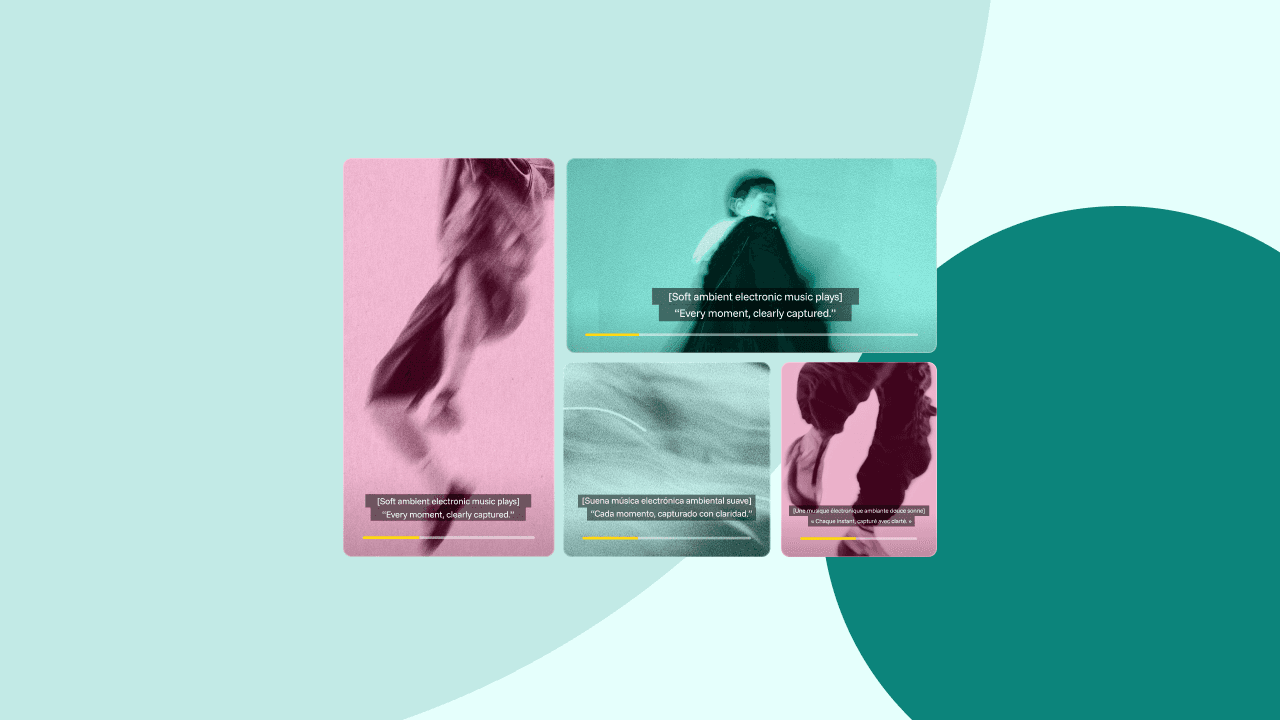
A single campaign used to mean a handful of assets. Today it can mean hundreds: every social placement, every display size, every market's language and legal copy, every streaming and broadcast spec. The creative idea is the same. The production load is not. Most teams are still meeting that load the old way, by opening files and changing them one at a time. It works until it doesn't. And when it breaks, it breaks in the places that cost the most: a wrong price in one market, an outdated legal line on a broadcast spot, a size nobody remembered to build. Creative production at scale means producing every format, size, language and market version of a campaign from one approved design
The three places manual production breaks
Volume. Every new format multiplies the work across every market. Headcount can't grow at the same rate, so either output drops or quality does.
Consistency. When each version is edited by hand, brand rules depend on whoever is editing. Small drifts add up across hundreds of assets.
Control. The more files exist, the harder it is to know which one is approved, which one is live, and which one still has last month's offer in it. What replaces manual creative production We believe the answer is not working faster. It's changing where the work happens.
In practice that means four shifts:
Design once, produce many. Creative is built as a template with rules, not a finished file. Teams produce variants from it instead of rebuilding.
One master, many versions. Every market and format variant stays connected to its source, so an update made once reaches every version.
Checks built into the workflow. Specs, brand rules and broadcast requirements are checked as creative is produced, not after it's been sent.
Every channel in one place. Social, display, streaming and linear TV come out of the same workflow, so video isn't a separate project with separate risks. Where Cape.io fits This is the problem Cape.io was built to solve.
In The Forrester WaveTM: Creative Advertising Technologies, Q4 2026, Cape.io was named a Strong Performer and received the highest score possible in eight criteria, including templates, assembly and versioning, and TV/OTT/CTV/linear criteria, among others. We believe that reflects the direction the whole category is moving: away from producing files and toward running a system that produces them.
Go deeper
Get the complimentary report to see Forrester's full evaluation, and join our live session on December 3rd for a conversation on what's changing in creative production.
Get the complimentary report · Register for the webinar on December 3rd
Forrester Objectivity Statement
Forrester does not endorse any company, product, brand, or service included in its research publications and does not advise any person to select the products or services of any company or brand based on the ratings included in such publications. Information is based on the best available resources. Opinions reflect judgment at the time and are subject to change. This report is part of a broader collection of Forrester resources, including interactive models, frameworks, tools, data, and access to analyst guidance. For more information, read about Forrester’s objectivity here.