17.11.2023
Unser Engagement für Nachhaltigkeit und Umweltschutz
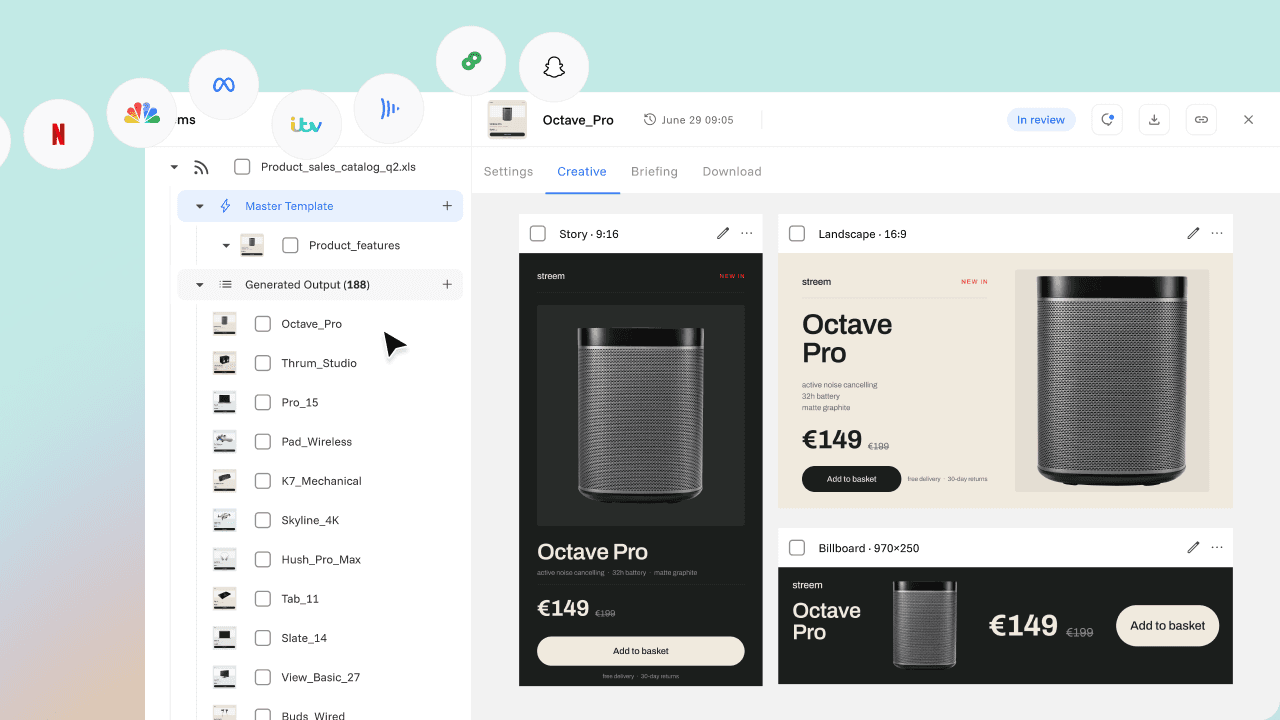
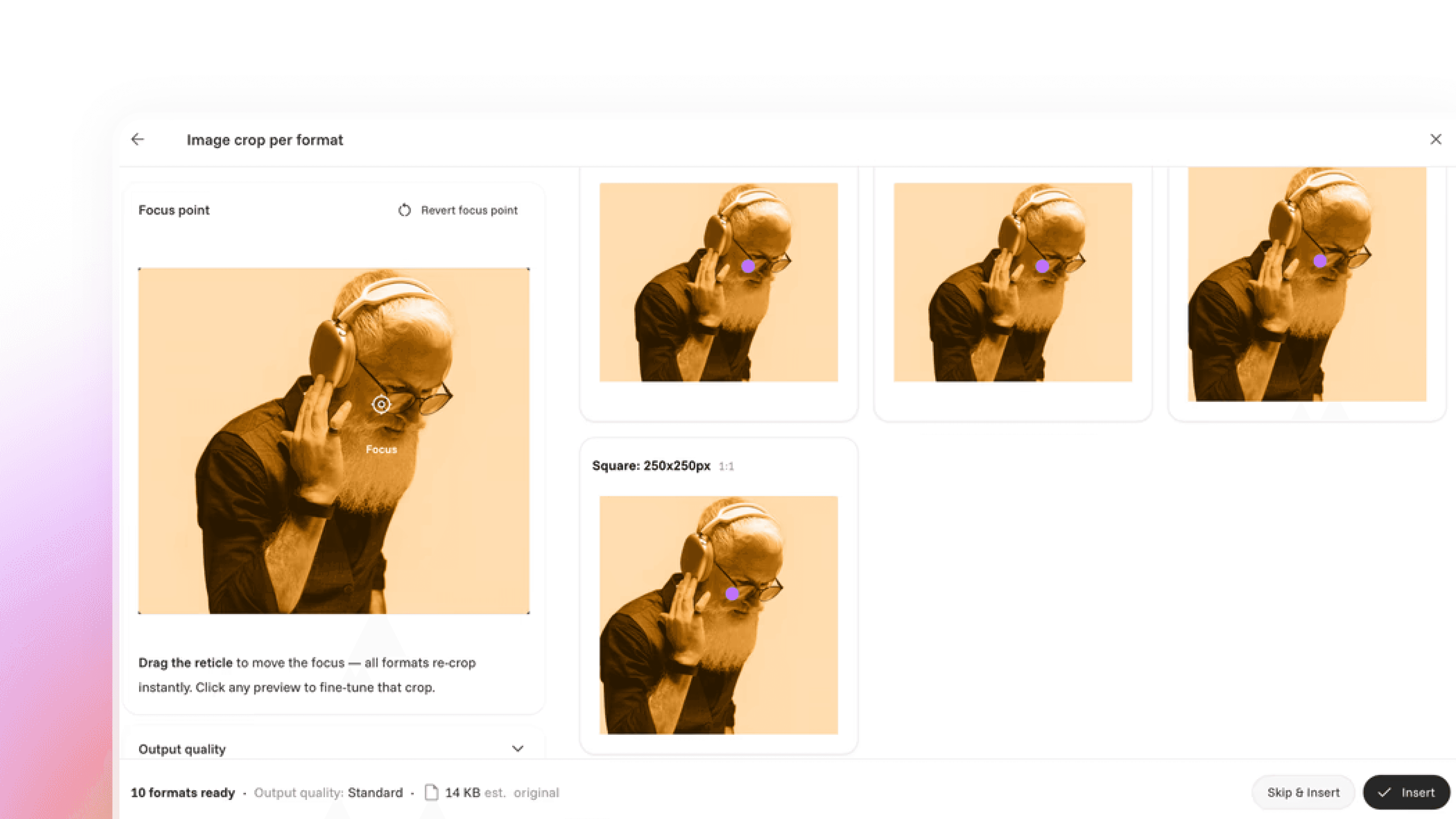
Wir haben gerade die erste Version unserer neuen Nachhaltigkeitsseite veröffentlicht, die unsere Geschichte und unser Versprechen für die Zukunft abdeckt.
Tags

Bei Peach sind wir stolz auf die Fortschritte, die wir gemacht haben, um Werbe-Workflows effizienter zu gestalten und damit deren Auswirkungen auf die Umwelt zu reduzieren, aber wir haben noch viel zu tun.
Mit einem Engagement, bis 2035 klimaneutral zu werden, beginnen wir, und dies wird unsere Bemühungen unterstützen, Emissionen umfassend zu reduzieren. Erfahren Sie mehr über unser Engagement, unsere Geschichte, die Produktinfrastruktur und die Herausforderungen und Chancen von KI und Umwelt auf der neuen Seite. In naher Zukunft werden wir auch mehr Daten über unsere Produktpalette hinzufügen, einschließlich Peach Connect, Cape, Advalidation und mehr.
Dies ist der Beginn einer Reise, um unsere Verpflichtungen zu erfüllen, was auch beinhaltet, wie wir unsere Berichterstattung und Transparenz in dieser Angelegenheit verbessern werden — von unseren internen Abläufen über Partnerschaften bis hin zu der Art und Weise, wie wir unsere Produkte betreiben und entwickeln.
Lesen Sie mehr auf der Nachhaltigkeitsseite.
Neuigkeiten
Sei der Konkurrenz immer einen Schritt voraus
Neugierig auf die neuesten Trends im Marketing und Werbung? Abonniere unseren monatlichen Promarketers-Newsletter und bleibe informiert.

23.04.2026
Agentic AI vs AI wrappers vs custom AI: How to choose your path
You're about to spend $500K on an AI initiative. You've got 3 options on the table, and they'll lead you to wildly different places. Pick wrong, and you're rebuilding in 18 months. Pick right, and you'll have a system that scales, costs less to maintain, and actually does what executives promised.
The choice is between wrapping existing AI models, building custom AI solutions from scratch, or going agentic. Most teams don't understand the real trade-offs until they're locked into the wrong one.

30.03.2026
Operationalizing AI in advertising: Why it must be embedded, not bolted on
Operationalizing AI in advertising isn’t about adding another tool to your stack. It’s about embedding intelligence into the systems that govern creative production, compliance, and delivery, so automation scales without creating more operational friction.

18.03.2026
No more chocolate at breakfast? Navigating the new LHF ad rules this Easter
As ad compliance requirements evolve in 2026, UK confectionery brands face new restrictions on less healthy food (LHF) advertising. With the January 5 watershed now in effect, ad quality assurance systems must validate timing, placement, and product identifiability to avoid clearance failures this Easter season.

16.03.2026
The future of inclusion: How Cape.io powered Virgin Media Television’s fully accessible ad break during the Men’s Six Nations
As Channel 4’s closed-captioning mandate came into effect in March 2026, Cape.io partnered with Virgin Media Television, Omnicom Media Group and VoiceBox to deliver a truly accessible ad break during the Guinness Men’s Six Nations. More than ad compliance, this moment proved that accessibility can operate at the highest level of live sports broadcasting.

27.02.2026
Navigating Channel 4’s 2026 closed caption mandate
As ad compliance requirements tighten across the UK and Europe, closed captioning has evolved from an accessibility checkbox to a strategic necessity. Whether you're managing CTV campaigns or social media creative, automated ad testing for caption quality is no longer optional - it's fundamental to reaching today's fragmented, multi-screen audiences.
The advertising landscape is facing a seismic shift. By March 1, Channel 4 will become the first UK broadcaster to mandate closed captions across all advertising - including linear TV, streaming, and sponsorships.
The mandate is a redefined standard for global inclusivity. Here is everything you need to know about the new mandate and how to stay ahead of the curve.

26.02.2026
One platform, many realities: How creative automation platforms resolve the global vs. local tension
Scaling global marketing without losing local relevance requires more than brand guidelines and templates - it requires a creative automation platform designed for both global control and local flexibility. Most systems optimize for standardization, but scaling ad creative production across markets demands architecture that enables creative variation and adaptation by local experts without fragmenting brand governance.
Many global advertisers are chasing the same ideal: scale without losing relevance.
Consistency without uniformity.
Efficiency without bureaucracy.
It sounds simple. In practice, it’s one of the hardest tensions to resolve in modern marketing.
The global vs. local challenge isn’t new, but it’s becoming more urgent. As brands expand across markets, channels, and cultures, the question is no longer whether you should scale globally, but how you do so without erasing the nuance that makes marketing effective in the first place.
Everyone is looking for this balance. Very few get it right.
Neuigkeiten
Sei der Konkurrenz immer einen Schritt voraus
Neugierig auf die neuesten Trends im Marketing und Werbung? Abonniere unseren monatlichen Promarketers-Newsletter und bleibe informiert.

23.04.2026
Agentic AI vs AI wrappers vs custom AI: How to choose your path
You're about to spend $500K on an AI initiative. You've got 3 options on the table, and they'll lead you to wildly different places. Pick wrong, and you're rebuilding in 18 months. Pick right, and you'll have a system that scales, costs less to maintain, and actually does what executives promised.
The choice is between wrapping existing AI models, building custom AI solutions from scratch, or going agentic. Most teams don't understand the real trade-offs until they're locked into the wrong one.

30.03.2026
Operationalizing AI in advertising: Why it must be embedded, not bolted on
Operationalizing AI in advertising isn’t about adding another tool to your stack. It’s about embedding intelligence into the systems that govern creative production, compliance, and delivery, so automation scales without creating more operational friction.

18.03.2026
No more chocolate at breakfast? Navigating the new LHF ad rules this Easter
As ad compliance requirements evolve in 2026, UK confectionery brands face new restrictions on less healthy food (LHF) advertising. With the January 5 watershed now in effect, ad quality assurance systems must validate timing, placement, and product identifiability to avoid clearance failures this Easter season.

16.03.2026
The future of inclusion: How Cape.io powered Virgin Media Television’s fully accessible ad break during the Men’s Six Nations
As Channel 4’s closed-captioning mandate came into effect in March 2026, Cape.io partnered with Virgin Media Television, Omnicom Media Group and VoiceBox to deliver a truly accessible ad break during the Guinness Men’s Six Nations. More than ad compliance, this moment proved that accessibility can operate at the highest level of live sports broadcasting.

27.02.2026
Navigating Channel 4’s 2026 closed caption mandate
As ad compliance requirements tighten across the UK and Europe, closed captioning has evolved from an accessibility checkbox to a strategic necessity. Whether you're managing CTV campaigns or social media creative, automated ad testing for caption quality is no longer optional - it's fundamental to reaching today's fragmented, multi-screen audiences.
The advertising landscape is facing a seismic shift. By March 1, Channel 4 will become the first UK broadcaster to mandate closed captions across all advertising - including linear TV, streaming, and sponsorships.
The mandate is a redefined standard for global inclusivity. Here is everything you need to know about the new mandate and how to stay ahead of the curve.

26.02.2026
One platform, many realities: How creative automation platforms resolve the global vs. local tension
Scaling global marketing without losing local relevance requires more than brand guidelines and templates - it requires a creative automation platform designed for both global control and local flexibility. Most systems optimize for standardization, but scaling ad creative production across markets demands architecture that enables creative variation and adaptation by local experts without fragmenting brand governance.
Many global advertisers are chasing the same ideal: scale without losing relevance.
Consistency without uniformity.
Efficiency without bureaucracy.
It sounds simple. In practice, it’s one of the hardest tensions to resolve in modern marketing.
The global vs. local challenge isn’t new, but it’s becoming more urgent. As brands expand across markets, channels, and cultures, the question is no longer whether you should scale globally, but how you do so without erasing the nuance that makes marketing effective in the first place.
Everyone is looking for this balance. Very few get it right.
Neuigkeiten
Sei der Konkurrenz immer einen Schritt voraus
Neugierig auf die neuesten Trends im Marketing und Werbung? Abonniere unseren monatlichen Promarketers-Newsletter und bleibe informiert.

23.04.2026
Agentic AI vs AI wrappers vs custom AI: How to choose your path
You're about to spend $500K on an AI initiative. You've got 3 options on the table, and they'll lead you to wildly different places. Pick wrong, and you're rebuilding in 18 months. Pick right, and you'll have a system that scales, costs less to maintain, and actually does what executives promised.
The choice is between wrapping existing AI models, building custom AI solutions from scratch, or going agentic. Most teams don't understand the real trade-offs until they're locked into the wrong one.

30.03.2026
Operationalizing AI in advertising: Why it must be embedded, not bolted on
Operationalizing AI in advertising isn’t about adding another tool to your stack. It’s about embedding intelligence into the systems that govern creative production, compliance, and delivery, so automation scales without creating more operational friction.

18.03.2026
No more chocolate at breakfast? Navigating the new LHF ad rules this Easter
As ad compliance requirements evolve in 2026, UK confectionery brands face new restrictions on less healthy food (LHF) advertising. With the January 5 watershed now in effect, ad quality assurance systems must validate timing, placement, and product identifiability to avoid clearance failures this Easter season.

16.03.2026
The future of inclusion: How Cape.io powered Virgin Media Television’s fully accessible ad break during the Men’s Six Nations
As Channel 4’s closed-captioning mandate came into effect in March 2026, Cape.io partnered with Virgin Media Television, Omnicom Media Group and VoiceBox to deliver a truly accessible ad break during the Guinness Men’s Six Nations. More than ad compliance, this moment proved that accessibility can operate at the highest level of live sports broadcasting.

27.02.2026
Navigating Channel 4’s 2026 closed caption mandate
As ad compliance requirements tighten across the UK and Europe, closed captioning has evolved from an accessibility checkbox to a strategic necessity. Whether you're managing CTV campaigns or social media creative, automated ad testing for caption quality is no longer optional - it's fundamental to reaching today's fragmented, multi-screen audiences.
The advertising landscape is facing a seismic shift. By March 1, Channel 4 will become the first UK broadcaster to mandate closed captions across all advertising - including linear TV, streaming, and sponsorships.
The mandate is a redefined standard for global inclusivity. Here is everything you need to know about the new mandate and how to stay ahead of the curve.

26.02.2026
One platform, many realities: How creative automation platforms resolve the global vs. local tension
Scaling global marketing without losing local relevance requires more than brand guidelines and templates - it requires a creative automation platform designed for both global control and local flexibility. Most systems optimize for standardization, but scaling ad creative production across markets demands architecture that enables creative variation and adaptation by local experts without fragmenting brand governance.
Many global advertisers are chasing the same ideal: scale without losing relevance.
Consistency without uniformity.
Efficiency without bureaucracy.
It sounds simple. In practice, it’s one of the hardest tensions to resolve in modern marketing.
The global vs. local challenge isn’t new, but it’s becoming more urgent. As brands expand across markets, channels, and cultures, the question is no longer whether you should scale globally, but how you do so without erasing the nuance that makes marketing effective in the first place.
Everyone is looking for this balance. Very few get it right.
Kontakt aufnehmen
Lassen Sie uns Ihnen zeigen, was Cape.io leisten kann.
Intelligente Kampagnenautomatisierung
Cape.io vernetzt Ihr Team, DAM, Ad-Server, DSPs, Tools und mehr, sodass Sie nichts herausreißen oder ersetzen müssen.

Kontakt aufnehmen
Lassen Sie uns Ihnen zeigen, was Cape.io leisten kann.
Intelligente Kampagnenautomatisierung
Cape.io vernetzt Ihr Team, DAM, Ad-Server, DSPs, Tools und mehr, sodass Sie nichts herausreißen oder ersetzen müssen.

Kontakt aufnehmen
Lassen Sie uns Ihnen zeigen, was Cape.io leisten kann.
Intelligente Kampagnenautomatisierung
Cape.io vernetzt Ihr Team, DAM, Ad-Server, DSPs, Tools und mehr, sodass Sie nichts herausreißen oder ersetzen müssen.