Creative Automation: Powering the Next Era of Scalable Marketing
In a digital ecosystem where brands must produce more content than ever before, speed and relevance are no longer optional, they are essential.
Marketing teams are under constant pressure to deliver personalized, high-quality creative assets across multiple channels while maintaining brand consistency and operational efficiency.
Creative automation has emerged as a transformative approach, enabling organizations to streamline production, reduce manual workloads, and unlock scalable personalization without sacrificing creativity.

The Importance of Creative Automation in Modern Marketing
Introduction
In today’s fast-moving digital landscape, brands are expected to deliver high-quality content across multiple channels at an unprecedented speed. From social media ads to email campaigns and personalized landing pages, the demand for creative output continues to grow. Creative automation has emerged as a powerful solution, enabling teams to scale production while maintaining consistency, relevance, and efficiency.
This article explores why creative automation is becoming essential for modern marketing organizations and how it transforms workflows, collaboration, and performance.
What Is Creative Automation?
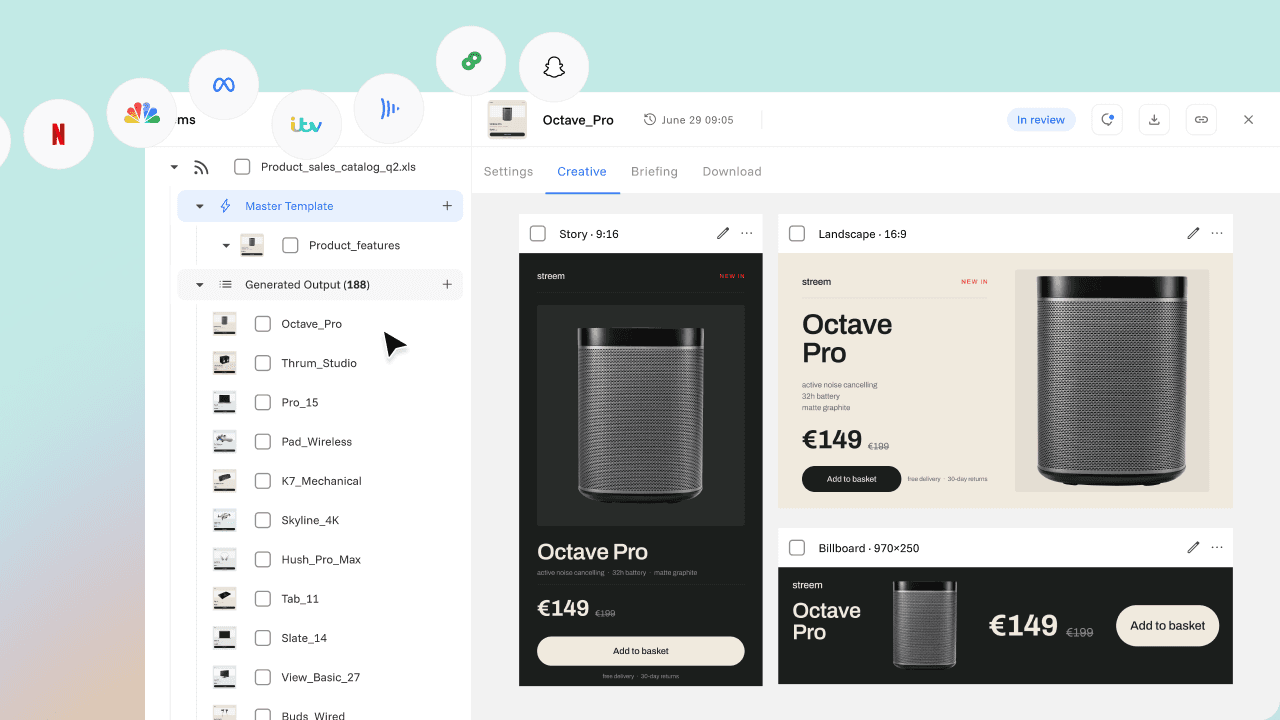
Creative automation refers to the use of technology to streamline and systematize the production of marketing assets. It combines design systems, data integration, templates, and automation tools to generate variations of creative content quickly and accurately.
Instead of manually designing every asset from scratch, teams can rely on predefined rules, brand guidelines, and dynamic data inputs to produce personalized visuals and messages at scale. This approach reduces repetitive tasks and allows creative professionals to focus on strategy and innovation.
The Growing Demand for Scalable Content
Multi-Channel Complexity
Brands now operate across websites, social platforms, search engines, digital ads, and marketplaces. Each channel requires different formats, sizes, and messaging strategies. Managing this complexity manually is time-consuming and error-prone.
Creative automation helps standardize formats while allowing flexible customization for each platform. This ensures faster delivery without compromising quality.
Personalization at Scale
Consumers expect tailored experiences. Personalized ads, dynamic product recommendations, and localized campaigns have become standard practice.
Automation tools can pull data from customer relationship management systems and analytics platforms to generate thousands of creative variations. This enables marketers to deliver relevant content without overwhelming creative teams.
Benefits of Creative Automation
Increased Efficiency
One of the most immediate advantages is operational efficiency. Automated workflows reduce production time, minimize manual adjustments, and eliminate redundant tasks. Teams can launch campaigns faster and respond quickly to market changes.
Consistency and Brand Governance
Maintaining brand consistency across regions and departments can be challenging. Creative automation enforces brand guidelines through locked templates, approved assets, and predefined rules. This ensures that every output aligns with visual identity and messaging standards.
Cost Optimization
By reducing manual labor and accelerating production cycles, companies can optimize resource allocation. Fewer repetitive tasks mean teams can focus on higher-value initiatives such as concept development, experimentation, and performance analysis.
Improved Performance Through Testing
Automation enables rapid A/B testing and multivariate testing. Marketers can generate multiple creative variations and measure performance in real time. Insights gained from these tests inform future iterations, creating a continuous improvement loop.
Transforming Team Collaboration
Creative automation does not replace designers or marketers; instead, it enhances collaboration between teams.
Designers can build flexible systems and templates, marketers can adapt messaging without disrupting layouts, and performance teams can request variations based on data insights. This shared infrastructure reduces bottlenecks and fosters cross-functional alignment.
Challenges and Considerations
Initial Setup and Integration
Implementing creative automation requires thoughtful planning. Organizations must define brand systems, integrate data sources, and select the right tools. The initial investment in time and resources can be significant, but the long-term benefits often outweigh these costs.
Balancing Automation and Creativity
There is a common concern that automation might limit originality. However, when used strategically, it actually frees creative professionals from repetitive production work, allowing them to focus on concept development and storytelling.
The Future of Creative Automation
As artificial intelligence and machine learning technologies continue to evolve, creative automation will become even more sophisticated. Predictive design suggestions, real-time personalization, and automated performance optimization are likely to become standard features.
Organizations that embrace these advancements early will be better positioned to adapt to changing consumer behaviors and competitive pressures.
Conclusion
Creative automation is no longer a luxury reserved for large enterprises; it is rapidly becoming a necessity for any organization seeking to scale content production effectively. By improving efficiency, ensuring brand consistency, enabling personalization, and enhancing collaboration, creative automation empowers marketing teams to meet modern demands with confidence.
In an era where speed, relevance, and adaptability define success, integrating creative automation into marketing operations is not just a technological upgrade—it is a strategic imperative.

Category