Less Time? More Screens. How to Adapt in an Age of Mass Content
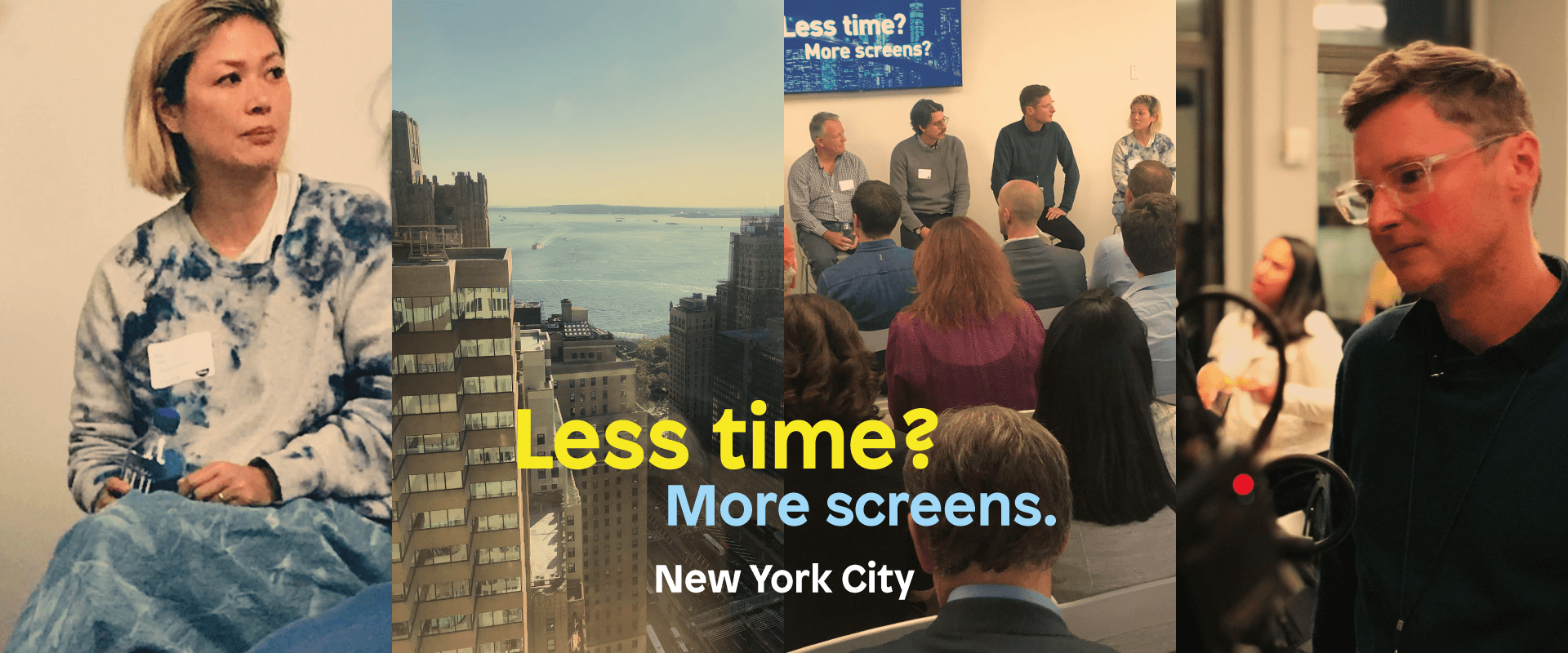
At our event in New York with Comcast Technology Solutions, Instagram, Droga5, Publicis, Framestore and MCA weighed in on what it means for the industry when screens are on the rise and content is at an all time high.
This was originally posted on the Peach website. Find out more about the rebrand from Peach to Cape.io.
In 2019, more data and more content is flooding through culture at an alarming rate but with amazing opportunity for advertisers and the creative industries. The recent shifts in content consumption behaviours (as a result of rapidly advancing technology) have sent tidal waves of change crashing through the advertising industry. Creatives and agencies are having to evolve faster than ever to stay on top of this new uncharted territory, a lot of which lies behind a screen. Skills that have never existed before are in high demand whilst others are being automated.
To delve into the complexities of how we keep up in this multi-platform, content-rich world, Peach and Comcast Technology Solutions invited global director of Instagram Creative Shop, Kay Hsu; CCO of Publicis North America, Andy Bird; director of film production at Droga5, Jesse Brihn; MD at Framestore, Charles Howell; and founder of MCA, Pat Murphy into a roundtable discussion hosted by Little Black Book founder and CEO Matt Cooper.
Here LBB’s Sunna Naseer breaks down the key highlights from the formative New York event...
Targeting Digital Data
Access to data has never been easier to obtain - right down to individual consumer statistics. Brands and businesses now have the capability to create highly personalised and targeted campaigns. LBB’s Matt Cooper asks the panel, “How is the industry dealing with this shift in approach?”
“Data’s here to stay whether we like or not,” says MCA founder, Pat Murphy. “ If you’ve got a great creative idea, data can make that even more effective. Put the two together, I think it’s huge.”
Kay Hsu, global director of Instagram Creative Shop shed light on this issue: “When you look at how disruptors are creating content, it’s completely different from how an agency would traditionally create content. They’re hiring differently, they’re hiring young, they’re using their phones, they’re less precious. Bigger brands can learn a lot from some of these disruptive brands. Training in the industry is still quite traditional so when students come out they are less prepared to deal with the latest content needs.”
Andy Bird, CCO at Publicis North America agrees: “Creatives are having to learn different disciplines and skills to adapt to the change. The way we deliver work and the expectations of clients have evolved. Creative strategy sometimes comes out of thin air but clients love facts so when they see a really creative idea that comes out of data, they love that. Data was a scary word for creatives a few years ago but I don’t think it is anymore.”
Automation & Creativity: Can They Sit Side by Side?
“I hope so because that’s where we are going,” says Andy. “If we don’t we’re kind of screwed! It depends how much material you have to automate and you’re very limited because of cost. There’s got to be a better way of getting automation into the system. Craft is important too though.”
Jesse Brihn, director of film production at Droga5 adds: “There are certain guidelines you can follow to lead somebody to click or use something. You’re creating an automatic process or output but you also have incredibly smart people who have built their careers on the artistry of making things automatic. Instagram has a whole platform built around best practices and guidelines for use but you would never want somebody to keep regurgitating the same sort of thing within that or some bot to do it.”
Pat summarises: “At the end of the day, if you don’t have outstanding creative, you’ve got nothing to automate.”
Tight Budgets
Across the industry, budgets are being slashed yet work is still expected to be just as impactful. This has pushed for more creativity in order to produce the same quality of work with less.
“The best way to do that is pre-planning. We see most success if media agency and creative agency work symbiotically to plan out what assets are required before going into any production process,” says Pat. “Our job isn’t about cost cutting or cost control. Our mission is to take a budget and get the biggest bang for the buck. If we work well with the agencies then you get the best creativity.”
Jesse points out: “It's not necessarily about saving as much money as possible because that's always going to be the case. It’s about expanding the opportunities to position it correctly in the right ways. Something that may be seen as a terrible ad or terrible content may not actually be a bad piece of work, it could just be targeted in the wrong way. If you use data to help pinpoint target markets and platforms, then you can get things made well even on a budget.”
Read the full article on LBB or watch the video of the entire event here

Category