PeachLive Francja: Powrót do Przyszłości Telewizji - podsumowanie

Telewizja adresowalna przybywa do Francji od 1 lipca. Peach zorganizował webinar z liderami myśli z całego łańcucha dostaw, aby omówić, jak najlepiej wykorzystują tę ekscytującą okazję.

Author

Cape.io

Author

Cape.io

„Jeżeli Addressable TV pozwala na lepszą kontrolę i monitorowanie inwestycji, stanie się poważnym konkurentem dla GAFAs na szczeblu krajowym.”

- Guy Chauvel, WNP, w rozmowie o dominacji GAFAs na rynku Digital 

Ten webinar koncentrował się na: 

  • Wpływ, jaki Addressable TV będzie miać we Francji oraz możliwości dla Reklamodawców.  

  • Co wiemy o nowych regulacjach oczekiwanych w lipcu? 

  • Potencjalne strategiczne wyzwania, z jakimi rynek TV może się zmierzyć podczas modernizacji.  

  • Jak reklama samo-regulacyjna będzie musiała się rozwijać, aby pomyślnie zintegrować się z tym nowym rynkiem 

  • Możliwości i ograniczenia: Jak daleko można się posunąć w kierowaniu? 

Pamiętaj, że webinar jest po francusku. 

„System samoregulacji istniejący od 1992 roku zawsze był bardzo adaptowany. [...] To system, który ciągle ewoluuje i jest podtrzymywany i prowadzony przez zawód. [...] Naszym celem jest wspieranie rynku, bez jego ograniczania.” 

- Mohamed Mansouri, o ewolucji francuskiej kontroli reklamy przez ARPP

Opóźniona z kwietnia z powodu COVID-19, nowa ustawa francuska ostatecznie nadejdzie w lipcu, wprowadzając Addressable TV do kraju. To wprowadza reklamy oparte na danych do jednego z najpotężniejszych mediów: telewizji, łącząc najlepsze cechy linearnej i Digital w jedną ofertę sprzedażową dla agencji mediowych i Reklamodawców. 

Wpływ na wydatki reklamowe szacuje się na €100 do €220 milionów do 2023 roku — a także ma potencjał zwiększenia liczby potencjalnych Reklamodawców dziesięciokrotnie (źródło: SNPTV). 

Dla Mathieu Lacombe z Danone, Addressable TV jest zdecydowanie w planach i wierzy, że to kolejny logiczny krok dla progresji linearnej telewizji. Skuteczna segmentacja odbiorców pomoże zmniejszyć przepaść między telewizją a Digital i uczynić reklamę telewizyjną dużo bardziej dostępną inwestycją dla wielu:

„Plemienne targetowanie oznacza, że poświęcamy czas na opowiadanie różnych historii dla każdego z tych plemion. Addressable TV jest logiczną kontynuacją wszystkiego, co już zostało zainicjowane przez Digital. To sposób na kontynuowanie dokładności w inwestowaniu naszych dolarów reklamowych i marketingu.” 

Hortense Thomine-Desmazures z M6 Publicité stwierdziła jednak, że aby Addressable TV odniosła prawdziwy sukces, są potrzebne dwa priorytety:

„Podstawowym warunkiem jest utrzymanie poziomu jakości medium telewizyjnego. To ważny projekt technologiczny, który wymaga przełączenia strumienia liniowego na strumień Digital, bez pogorszenia doświadczenia z reklamami. [...] Innym warunkiem będzie zaoferowanie Reklamodawcom narzędzi do analizowania i mierzenia wydajności ich kampanii. Dowód skuteczności jest kluczowy.” 

Jednak „rewolucja” telewizyjna jest nadal debatowana. Olivier Roberdeau z MindShare uważa, że konkluzje mogą przyjść szybciej, niż się spodziewamy...

„Jeśli chodzi o KPI, możemy polegać na naszych klientach i Reklamodawcach, aby uzyskać opinie na temat kampanii [...] Telewizja adresowana, będąc bardzo blisko Digital, będziemy mogli szybko przeczytać pierwsze wyniki.”

Jeśli te potencjalne problemy ząbkowania zostaną złagodzone, Guy Chauvel z WNP podkreśla prawdziwą moc, jaką Addressable TV może oferować marketerom: 

„To, co oferuje ta technologia, to możliwość określenia segmentów populacji na podstawie precyzyjnych kryteriów (szczególnie danych behawioralnych), które pozwalają na adresowanie określonych treści. W ten sposób zyskujemy na znaczeniu: w zakresie wglądu, pomysłu i realizacji. To także zwielokrotnia wolumen treści tworzonych, produkowanych i wykorzystywanych przed tymi segmentami.” 

Pozostaje do zobaczenia, jak dokładnie marketerzy wykorzystają Addressable TV, gdy przybędzie do Francji w przyszłym miesiącu. 

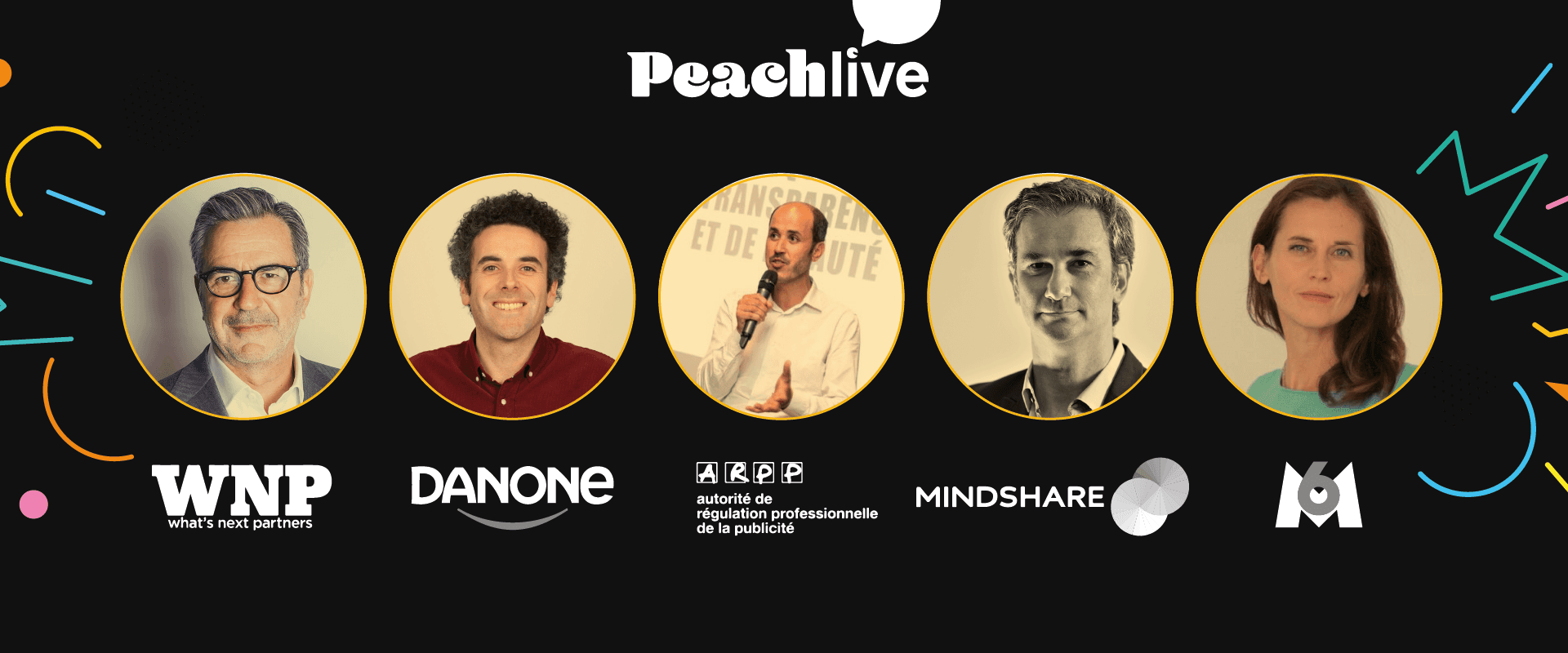
Prelegenci obejmowali: 

  • Guy Chauvel, Założyciel i Prezes dyrektor generalny, WNP

  • Mathieu Lacombe, Szef Mediów & Digital, Danone France

  • Mohamed Mansouri, Zastępca Dyrektora, ARPP  

  • Olivier Roberdeau, Dyrektor Działu Ekran (Telewizja & Wideo), Mindshare France

  • Hortense Thomine-Desmazures, Naczelny Dyrektor Zastępczy ds. Digital, M6 Publicité

  • Zaprezentowane przez Mathieu Brisset, Dyrektor Generalny Europa, Peach

Chcesz wiedzieć, jak Peach może uczynić Addressable TV tą odrobiną łatwiejszą?


Skontaktuj się z nami teraz

Aktualności

Bądź na bieżąco z trendami

Ciekawy najnowszych trendów w marketingu i reklamie?
Zapisz się do naszego miesięcznego biuletynu Promarketers.

18 mar 2026

No more chocolate at breakfast? Navigating the new LHF ad rules this Easter

As ad compliance requirements evolve in 2026, UK confectionery brands face new restrictions on less healthy food (LHF) advertising. With the January 5 watershed now in effect, ad quality assurance systems must validate timing, placement, and product identifiability to avoid clearance failures this Easter season.

16 mar 2026

The future of inclusion: How Cape.io powered Virgin Media Television’s fully accessible ad break during the Men’s Six Nations

As Channel 4’s closed-captioning mandate came into effect in March 2026, Cape.io partnered with Virgin Media Television, Omnicom Media Group and VoiceBox to deliver a truly accessible ad break during the Guinness Men’s Six Nations. More than ad compliance, this moment proved that accessibility can operate at the highest level of live sports broadcasting.

27 lut 2026

Navigating Channel 4’s 2026 closed caption mandate

As ad compliance requirements tighten across the UK and Europe, closed captioning has evolved from an accessibility checkbox to a strategic necessity. Whether you're managing CTV campaigns or social media creative, automated ad testing for caption quality is no longer optional - it's fundamental to reaching today's fragmented, multi-screen audiences.

The advertising landscape is facing a seismic shift. By March 1, Channel 4 will become the first UK broadcaster to mandate closed captions across all advertising - including linear TV, streaming, and sponsorships.

The mandate is  a redefined standard for global inclusivity. Here is everything you need to know about the new mandate and how to stay ahead of the curve.

26 lut 2026

One platform, many realities: How creative automation platforms resolve the global vs. local tension

Scaling global marketing without losing local relevance requires more than brand guidelines and templates - it requires a creative automation platform designed for both global control and local flexibility. Most systems optimize for standardization, but scaling ad creative production across markets demands architecture that enables creative variation and adaptation by local experts without fragmenting brand governance.

Many global advertisers are chasing the same ideal: scale without losing relevance.

Consistency without uniformity.
Efficiency without bureaucracy.

It sounds simple. In practice, it’s one of the hardest tensions to resolve in modern marketing.

The global vs. local challenge isn’t new, but it’s becoming more urgent. As brands expand across markets, channels, and cultures, the question is no longer whether you should scale globally, but how you do so without erasing the nuance that makes marketing effective in the first place.

Everyone is looking for this balance. Very few get it right.

11 lut 2026

EPTVI Initiative launches Stage Two to help programmatic TV scale across Europe’s largest advertising markets

Broadcasters, streamers, agencies and ad tech companies including Google Ad Manager, Equativ, Adform, LiveRamp, The Trade Desk, FreeWheel and Cape.io begin work on practical solutions to reduce complexity and speed up adoption.

4 lut 2026

The guardrails of growth: Why creative intelligence demands compliance

Generative AI can produce thousands of creative variants, but most compliance systems are still manual, fragmented, and reactive, unable to keep pace with today’s velocity. To move fast without breaking things, the industry needs a new approach: real-time verification, programmatic enforcement, and end-to-end visibility. Embedded inside the stack, not bolted on at the end.

Aktualności

Bądź na bieżąco z trendami

Ciekawy najnowszych trendów w marketingu i reklamie?
Zapisz się do naszego miesięcznego biuletynu Promarketers.

18 mar 2026

No more chocolate at breakfast? Navigating the new LHF ad rules this Easter

As ad compliance requirements evolve in 2026, UK confectionery brands face new restrictions on less healthy food (LHF) advertising. With the January 5 watershed now in effect, ad quality assurance systems must validate timing, placement, and product identifiability to avoid clearance failures this Easter season.

16 mar 2026

The future of inclusion: How Cape.io powered Virgin Media Television’s fully accessible ad break during the Men’s Six Nations

As Channel 4’s closed-captioning mandate came into effect in March 2026, Cape.io partnered with Virgin Media Television, Omnicom Media Group and VoiceBox to deliver a truly accessible ad break during the Guinness Men’s Six Nations. More than ad compliance, this moment proved that accessibility can operate at the highest level of live sports broadcasting.

27 lut 2026

Navigating Channel 4’s 2026 closed caption mandate

As ad compliance requirements tighten across the UK and Europe, closed captioning has evolved from an accessibility checkbox to a strategic necessity. Whether you're managing CTV campaigns or social media creative, automated ad testing for caption quality is no longer optional - it's fundamental to reaching today's fragmented, multi-screen audiences.

The advertising landscape is facing a seismic shift. By March 1, Channel 4 will become the first UK broadcaster to mandate closed captions across all advertising - including linear TV, streaming, and sponsorships.

The mandate is  a redefined standard for global inclusivity. Here is everything you need to know about the new mandate and how to stay ahead of the curve.

26 lut 2026

One platform, many realities: How creative automation platforms resolve the global vs. local tension

Scaling global marketing without losing local relevance requires more than brand guidelines and templates - it requires a creative automation platform designed for both global control and local flexibility. Most systems optimize for standardization, but scaling ad creative production across markets demands architecture that enables creative variation and adaptation by local experts without fragmenting brand governance.

Many global advertisers are chasing the same ideal: scale without losing relevance.

Consistency without uniformity.
Efficiency without bureaucracy.

It sounds simple. In practice, it’s one of the hardest tensions to resolve in modern marketing.

The global vs. local challenge isn’t new, but it’s becoming more urgent. As brands expand across markets, channels, and cultures, the question is no longer whether you should scale globally, but how you do so without erasing the nuance that makes marketing effective in the first place.

Everyone is looking for this balance. Very few get it right.

11 lut 2026

EPTVI Initiative launches Stage Two to help programmatic TV scale across Europe’s largest advertising markets

Broadcasters, streamers, agencies and ad tech companies including Google Ad Manager, Equativ, Adform, LiveRamp, The Trade Desk, FreeWheel and Cape.io begin work on practical solutions to reduce complexity and speed up adoption.

4 lut 2026

The guardrails of growth: Why creative intelligence demands compliance

Generative AI can produce thousands of creative variants, but most compliance systems are still manual, fragmented, and reactive, unable to keep pace with today’s velocity. To move fast without breaking things, the industry needs a new approach: real-time verification, programmatic enforcement, and end-to-end visibility. Embedded inside the stack, not bolted on at the end.

Aktualności

Bądź na bieżąco z trendami

Ciekawy najnowszych trendów w marketingu i reklamie?
Zapisz się do naszego miesięcznego biuletynu Promarketers.

18 mar 2026

No more chocolate at breakfast? Navigating the new LHF ad rules this Easter

As ad compliance requirements evolve in 2026, UK confectionery brands face new restrictions on less healthy food (LHF) advertising. With the January 5 watershed now in effect, ad quality assurance systems must validate timing, placement, and product identifiability to avoid clearance failures this Easter season.

16 mar 2026

The future of inclusion: How Cape.io powered Virgin Media Television’s fully accessible ad break during the Men’s Six Nations

As Channel 4’s closed-captioning mandate came into effect in March 2026, Cape.io partnered with Virgin Media Television, Omnicom Media Group and VoiceBox to deliver a truly accessible ad break during the Guinness Men’s Six Nations. More than ad compliance, this moment proved that accessibility can operate at the highest level of live sports broadcasting.

27 lut 2026

Navigating Channel 4’s 2026 closed caption mandate

As ad compliance requirements tighten across the UK and Europe, closed captioning has evolved from an accessibility checkbox to a strategic necessity. Whether you're managing CTV campaigns or social media creative, automated ad testing for caption quality is no longer optional - it's fundamental to reaching today's fragmented, multi-screen audiences.

The advertising landscape is facing a seismic shift. By March 1, Channel 4 will become the first UK broadcaster to mandate closed captions across all advertising - including linear TV, streaming, and sponsorships.

The mandate is  a redefined standard for global inclusivity. Here is everything you need to know about the new mandate and how to stay ahead of the curve.

26 lut 2026

One platform, many realities: How creative automation platforms resolve the global vs. local tension

Scaling global marketing without losing local relevance requires more than brand guidelines and templates - it requires a creative automation platform designed for both global control and local flexibility. Most systems optimize for standardization, but scaling ad creative production across markets demands architecture that enables creative variation and adaptation by local experts without fragmenting brand governance.

Many global advertisers are chasing the same ideal: scale without losing relevance.

Consistency without uniformity.
Efficiency without bureaucracy.

It sounds simple. In practice, it’s one of the hardest tensions to resolve in modern marketing.

The global vs. local challenge isn’t new, but it’s becoming more urgent. As brands expand across markets, channels, and cultures, the question is no longer whether you should scale globally, but how you do so without erasing the nuance that makes marketing effective in the first place.

Everyone is looking for this balance. Very few get it right.

11 lut 2026

EPTVI Initiative launches Stage Two to help programmatic TV scale across Europe’s largest advertising markets

Broadcasters, streamers, agencies and ad tech companies including Google Ad Manager, Equativ, Adform, LiveRamp, The Trade Desk, FreeWheel and Cape.io begin work on practical solutions to reduce complexity and speed up adoption.

4 lut 2026

The guardrails of growth: Why creative intelligence demands compliance

Generative AI can produce thousands of creative variants, but most compliance systems are still manual, fragmented, and reactive, unable to keep pace with today’s velocity. To move fast without breaking things, the industry needs a new approach: real-time verification, programmatic enforcement, and end-to-end visibility. Embedded inside the stack, not bolted on at the end.

Skontaktuj się

Pokażemy Ci, co Cape.io może zrobić.

Intelligent Campaign Automation

Cape.io łączy się z Twoim DAM, serwerami reklam, DSP, narzędziami do zarządzania przepływem pracy i nie tylko, więc nie musisz wymieniać ani zastępować.

© 2025 Cape.io. Wszelkie prawa zastrzeżone

Polski

Skontaktuj się

Pokażemy Ci, co Cape.io może zrobić.

Intelligent Campaign Automation

Cape.io łączy się z Twoim DAM, serwerami reklam, DSP, narzędziami do zarządzania przepływem pracy i nie tylko, więc nie musisz wymieniać ani zastępować.

© 2025 Cape.io. Wszelkie prawa zastrzeżone

Polski

Skontaktuj się

Pokażemy Ci, co Cape.io może zrobić.

Intelligent Campaign Automation

Cape.io łączy się z Twoim DAM, serwerami reklam, DSP, narzędziami do zarządzania przepływem pracy i nie tylko, więc nie musisz wymieniać ani zastępować.

© 2025 Cape.io. Wszelkie prawa zastrzeżone

Polski